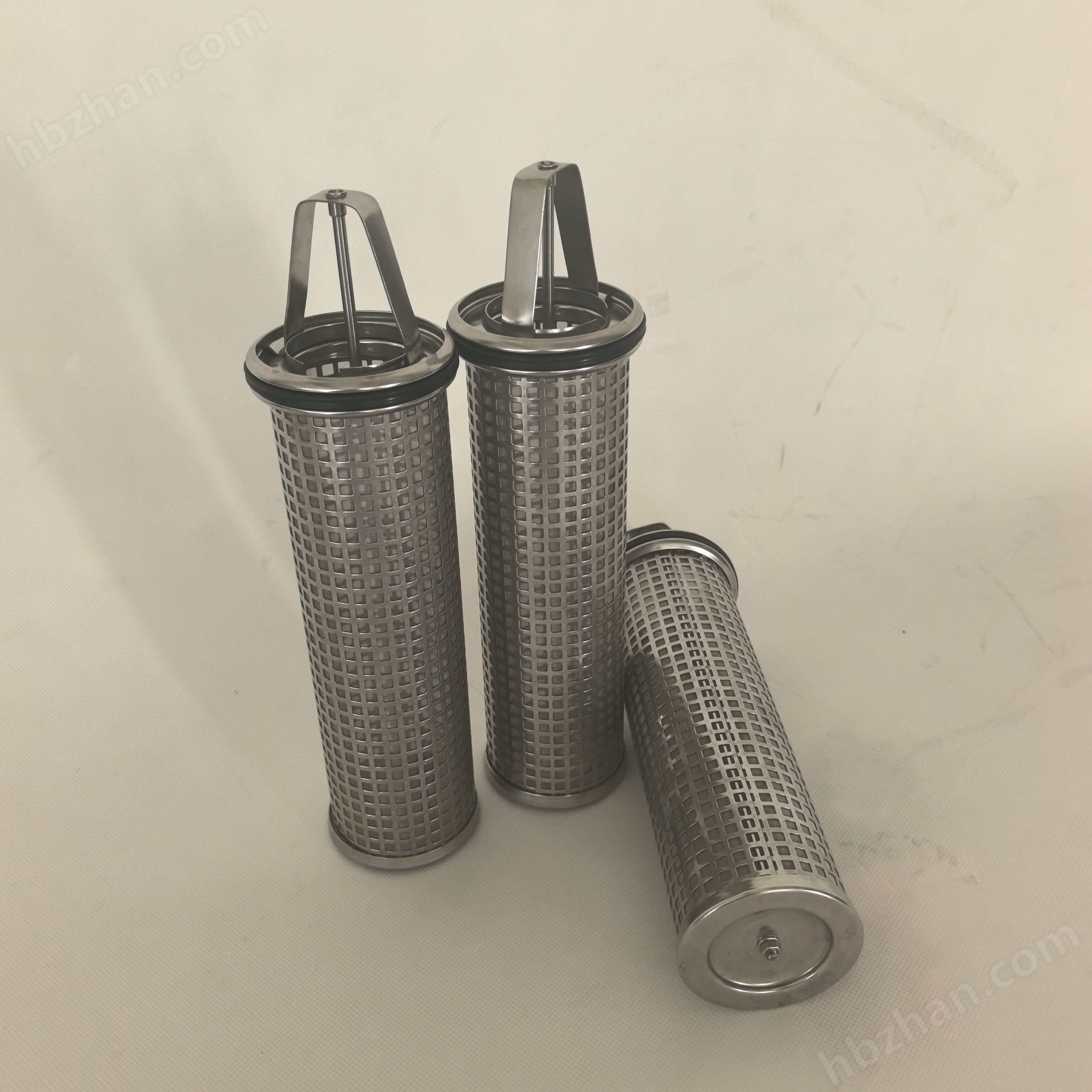
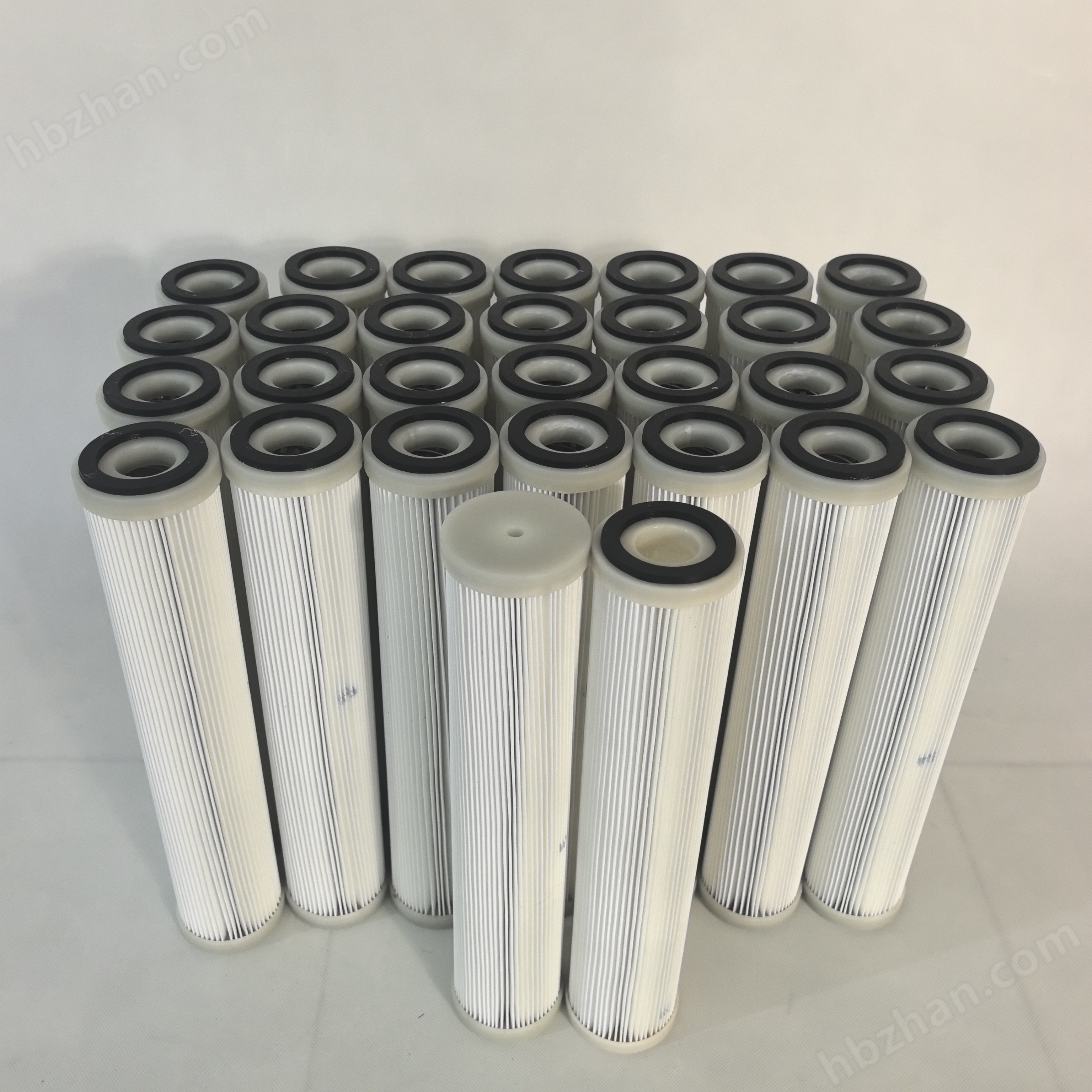
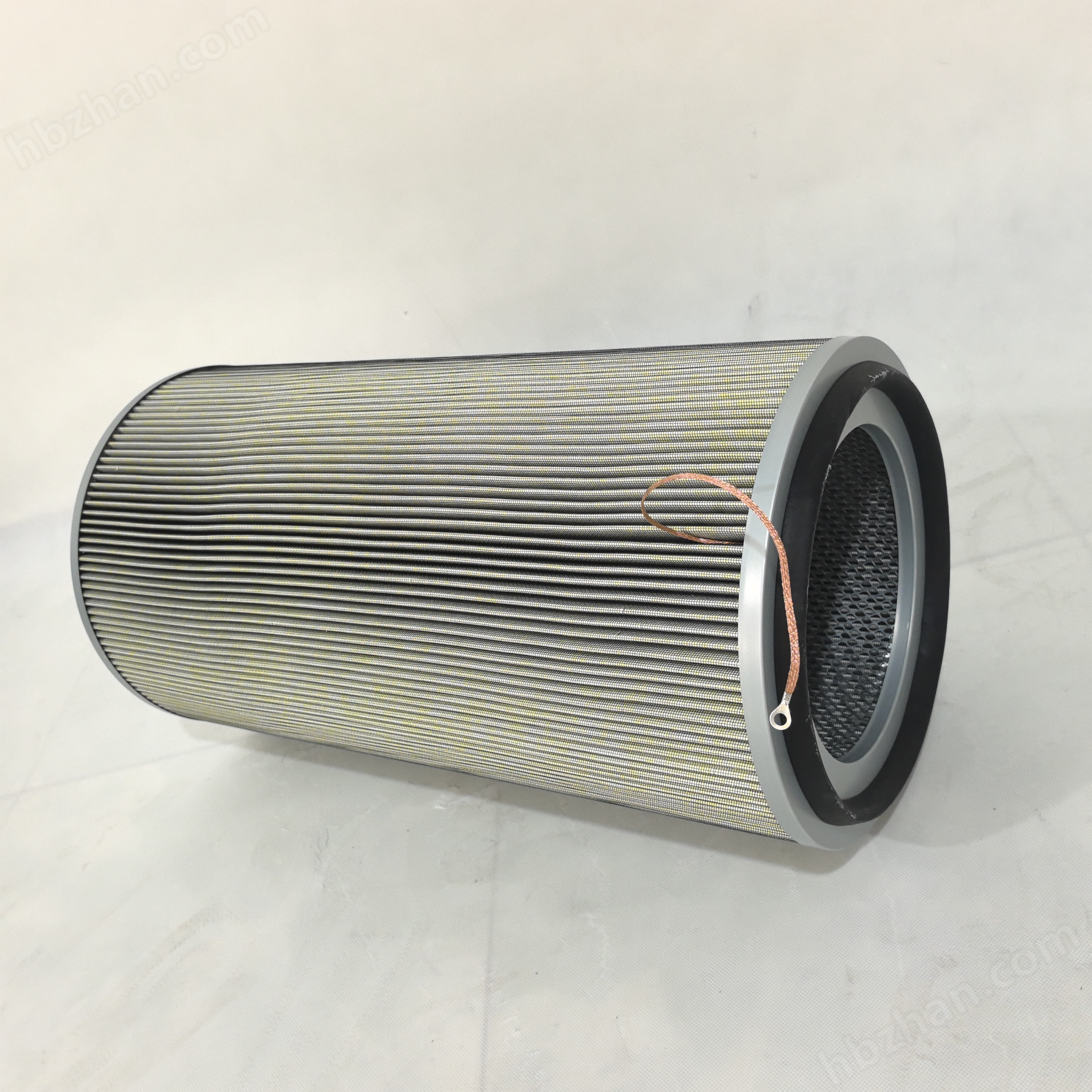
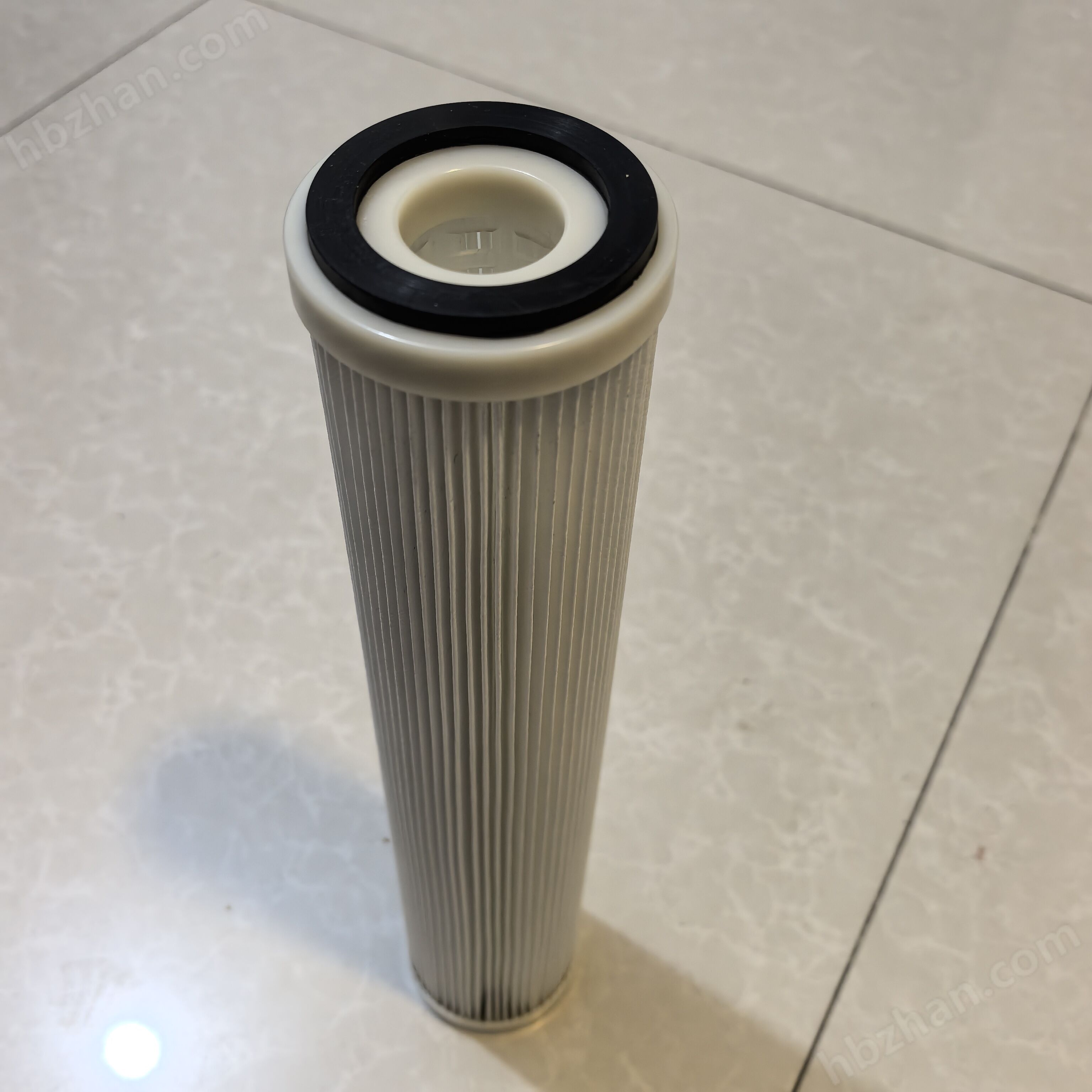
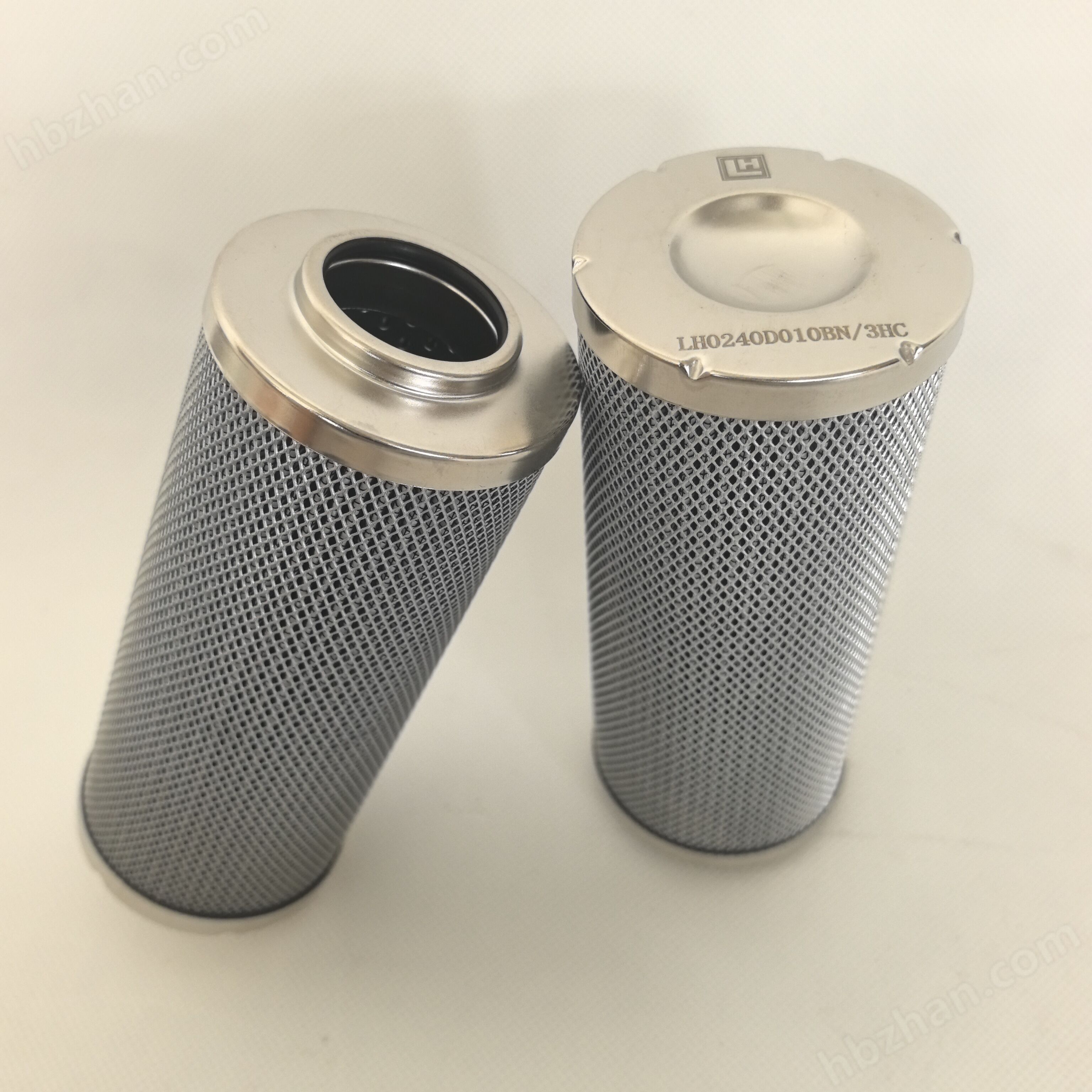
Key maintenance points for basket style stainless steel ship filter manufacturers: Regular inspection and replacement: Replace the filter according to the cycle specified in the ship equipment manual (such as operating hours and voyage), or replace it in a timely manner according to the pressure difference alarm (alarm when the pressure difference before and after the filter exceeds the set value), to avoid blockage and abnormal system pressure. Before embarking on a long voyage, it is necessary to reserve sufficient spare filter cartridges, especially fuel and lubricating oil filter cartridges.
Basket style stainless steel ship filter elementmanufacturer
Ship filter element is a key component used to filter impurities in ship power systems and fluid systems. Its function is to remove particulate pollutants, moisture or gum from media such as fuel, lubricating oil, cooling water, air, etc., to protect the normal operation of engines, pumps, valves, precision instruments and other equipment, and avoid wear, blockage or failure. Due to the complex operating environment of ships, such as high humidity in the ocean, high salt spray, and fluctuations in fuel quality, the performance and maintenance of ship filters are crucial for safe navigation of ships.
According to different filtration media, ship filter cartridges can be divided into the following categories:
effectFilter mechanical impurities (sediment, metal particles), moisture, and gum in ship fuel (such as diesel and heavy oil) to prevent wear or blockage of fuel injectors, fuel pumps, combustion chambers, and other components.
classification:
Coarse filter: filters larger particles (usually 10-30 μ m) and is installed between the fuel tank outlet and the fuel delivery pump.
Fine filter: filters small particles (usually 2-5 μ m) and moisture, installed between the fuel pump and the fuel injector, and some have oil-water separator function.
Applicable DevicesMain engine, auxiliary engine (generator), fuel transfer pump, etc.
effectRemove metal debris, carbon deposits, sludge and other impurities from lubricating oil, protect the lubricating surface of moving parts such as engine crankshafts, bearings, pistons, etc., and extend their service life.
featureIt needs to withstand high temperatures (lubricating oil working temperature is usually 80-120 ℃) and pressures, with high filtration accuracy (commonly 5-20 μ m).
Applicable DevicesMain engine, auxiliary engine, gearbox, hydraulic system, etc.
effectFilter dust, sand and other impurities from the air entering the engine cylinder to prevent wear of components such as pistons, cylinder liners, valves, and to prevent impurities from entering the combustion chamber and affecting combustion efficiency.
featureShip air filters need to adapt to high humidity and salt spray environments in the ocean, and some are made of waterproof and corrosion-resistant materials, with a large filtration area (to meet the high intake demand of engines).
Applicable DevicesThe intake system of the main and auxiliary units.
effectFilter scale, sediment, microorganisms (such as seaweed, shellfish larvae), etc. in the ship's cooling system (freshwater cooling or seawater cooling) to prevent blockage or scaling of cooling pipelines, radiators, and heat exchangers, ensuring heat dissipation efficiency.
classification:
Freshwater filter cartridge: filters impurities in closed freshwater systems with high accuracy (10-50 μ m).
Seawater filter element: filters large particulate impurities (such as 50-200 μ m) in open seawater systems, often in a mesh or basket structure for easy cleaning.
Applicable DevicesEngine cooling system, air conditioning condenser, heat exchanger, etc.
effectFilter solid particles and gel like impurities in the hydraulic systems of ships (such as servos, anchors, and cargo cranes) to prevent wear or jamming of precision components such as hydraulic pumps, valves, and cylinders.
requirementHigh filtration accuracy (commonly 3-10 μ m), high pressure tolerance (hydraulic system pressure usually 10-30MPa), and good pollutant holding capacity.
filtration accuracySelect the appropriate filtration accuracy (unit: μ m) according to equipment requirements. For example, the fuel fine filter needs to reach 2-5 μ m to protect the fuel injector, while the seawater coarse filter can be relaxed to over 100 μ m.
Pollutant carrying capacityRefers to the total amount of impurities that the filter element can hold before clogging. The larger the capacity, the longer the replacement cycle, making it suitable for reducing maintenance frequency on long-distance ships.
Environmental resistanceTo withstand the high temperature, high humidity, salt spray, vibration and other environments of the ship, the filter material (such as filter paper, sealing ring) needs to be corrosion-resistant and anti-aging (such as using nitrile rubber, fluororubber sealing ring).
pressure resistanceEspecially for fuel and hydraulic oil filters, they need to withstand system working pressure (usually 0.5-30MPa) to avoid rupture and direct entry of unfiltered media into the equipment.
compatibilityThe material of the filter element needs to be compatible with the filter medium, for example, heavy oil filter elements need to withstand sulfur and additives in fuel to avoid material swelling or degradation.
Regular inspection and replacement:
Replace the filter element according to the cycle specified in the ship equipment manual (such as operating hours and voyage), or replace it in a timely manner according to the pressure difference alarm (alarm when the pressure difference before and after the filter element exceeds the set value), to avoid blockage and abnormal system pressure.
Before embarking on a long voyage, it is necessary to reserve sufficient spare filter cartridges, especially fuel and lubricating oil filter cartridges.
Replacement precautions:
Before replacement, it is necessary to close the relevant system valves and release the pressure (such as emptying the residual pressure of the fuel system to avoid medium leakage).
When installing a new filter element, it is necessary to check whether the sealing ring is intact, apply a small amount of medium (such as lubricating oil) to lubricate the sealing ring, ensure a tight seal, and prevent unfiltered medium from bypassing.
After replacement, exhaust is required (such as removing air from the fuel filter to avoid fuel supply interruption caused by air blockage).
Daily cleaning (for washable filter cartridges):
Some seawater filters and coarse filters are made of metal mesh or porous structures, which can be regularly disassembled and cleaned (washed with fresh water or blown back with compressed air), but care should be taken to avoid damaging the filter screen.
Avoid inferior filter cartridges:
Poor quality filter cartridges have insufficient filtration accuracy and are prone to material damage, which may cause impurities to enter the equipment and cause serious wear (such as clogged fuel injectors or engine cylinder pulling). It is necessary to choose original or certified brand filter cartridges that meet the equipment specifications.
Once a ship experiences equipment failure due to filter failure during navigation, it may lead to serious consequences such as shutdown and grounding, especially for critical systems such as the main engine and steering gear. Therefore, selecting and regularly maintaining ship filter cartridges is one of the core measures to ensure the reliability of ship power systems and extend equipment life.
Basket style stainless steel ship filter manufacturer