-
E-mail
202010444O@qq.com
-
Phone
13913786855
-
Address
Youchegang Town, Jiaxing City, Zhejiang Province
Product Categories
Zhejiang Saipu Separation Equipment Co., Ltd


CCUS Carbon Capture Integrated Equipment Manufacturing
NegotiableUpdate on 02/13
- Model
- Nature of the Manufacturer
- Producers
- Product Category
- Place of Origin
Overview
CCUS Carbon Capture Integrated Equipment Manufacturing is committed to providing professional and efficient CCUS carbon capture services, covering carbon capture and full process solutions. Utilize technologies such as post combustion capture and pre combustion capture to accurately separate carbon dioxide. At the same time, we also provide one-stop services such as professional project planning and technical support to safeguard your carbon reduction journey.
Product Details

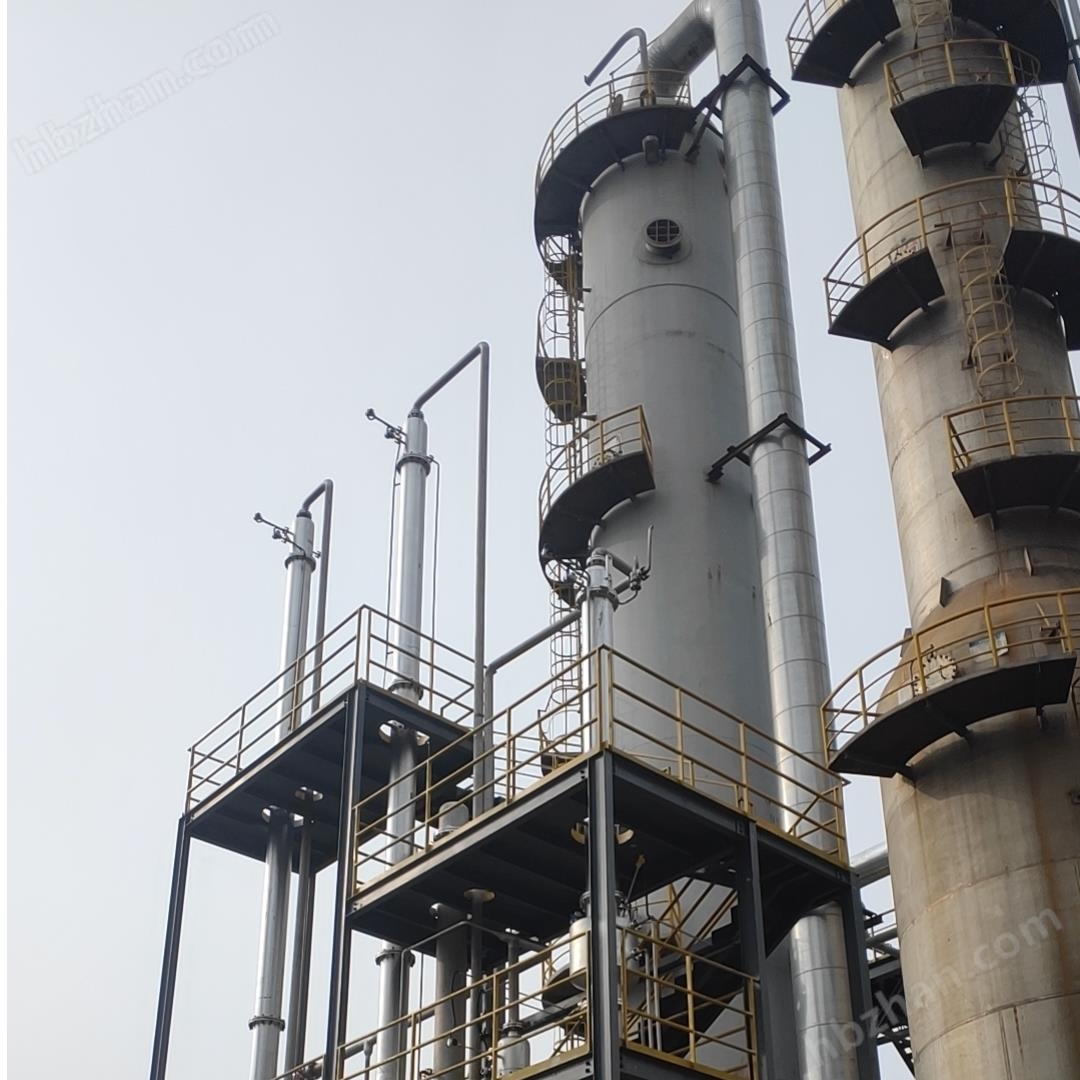
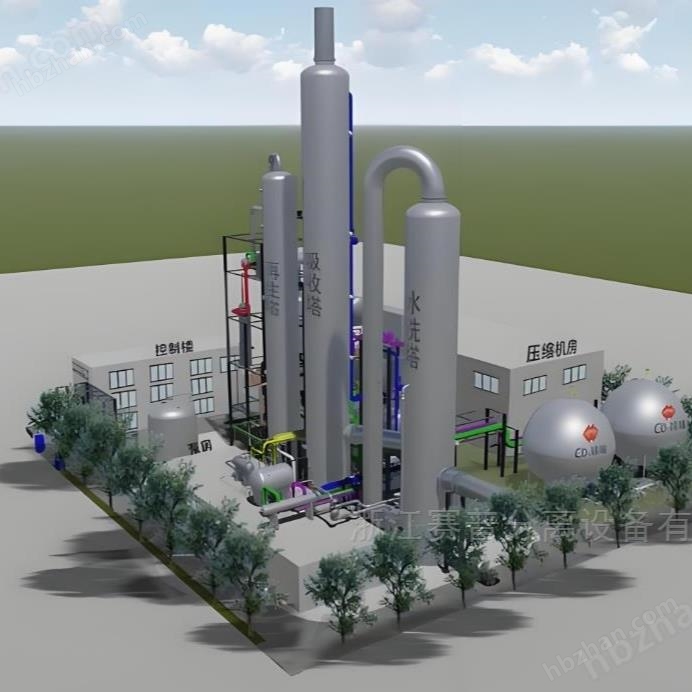
CCUS Carbon Capture Integrated Equipment ManufacturingAnalysis tower, pressure swing adsorption tower, membrane separation tower, etc. The following is an introduction and corresponding process:
Chemical absorption method
- Equipment and ProcessThe flue gas first undergoes desulfurization and denitrification, and enters from the bottom of the absorption tower through the induced draft fan. The absorption liquid is sprayed down from the top of the absorption tower, and the flue gas and absorption liquid come into contact and react inside the tower. The absorption liquid absorbs CO ₂ in the flue gas and becomes rich liquid. The rich solution is pumped to the desorption tower by the rich solution pump, and then heated to 100 ℃ -120 ℃ by the reboiler. The rich solution decomposes and releases CO ₂, achieving CO ₂ separation and recovery. The absorption solution is then recycled and regenerated.
- absorption towerIt is one of the core equipment of chemical absorption method, providing sufficient contact mass transfer space for gas-liquid two-phase, so that the absorbent can effectively absorb CO ₂ in flue gas. The structure and operating conditions of an absorption tower, such as tower diameter, tower height, type of packing or tray, can affect absorption efficiency and pressure drop. Usually, alkaline chemical absorption solutions such as ethanolamine, potassium hydroxide, and ammonia water are selected.
- Analysis TowerAlso known as a regeneration tower, its function is to separate CO ₂ from the rich solution, allowing the absorbent to be regenerated and recycled. The temperature, pressure, and gas-liquid ratio inside the analytical tower have a significant impact on the analytical efficiency and energy consumption.
Physical absorption method
- Principles and processesUnder pressurized conditions, organic solvents are used to absorb CO ₂ from acidic gases, while solvent regeneration is achieved by reducing pressure, requiring relatively less regeneration energy. The process is similar to chemical absorption method, which first absorbs in the absorption tower and then analyzes in the analysis tower, but the absorbent and operating conditions used are different.
- Absorption tower and analytical towerThe absorption tower and analytical tower in physical absorption method are similar to those in chemical absorption method, but their absorption and analytical processes are mainly based on physical interactions rather than chemical reactions. The solubility of CO ₂ in physical absorbents varies greatly with pressure, so higher pressure is required in the absorption tower to increase the solubility of CO ₂, while in the analysis tower, CO ₂ is released from the solution by reducing pressure.
adsorption method
- processThe adsorption method usually uses solid adsorbents to adsorb CO ₂. The gas containing CO ₂ passes through the adsorption tower, where CO ₂ is adsorbed by the adsorbent and the purified gas is discharged. After the adsorbent is saturated, CO ₂ is desorbed through methods such as pressure reduction, heating, or displacement to restore the adsorption capacity of the adsorbent. The desorbed CO ₂ can be further compressed, stored, or utilized.
- adsorption towerIt is a key equipment for adsorption method, and its structure and operating conditions have a significant impact on the adsorption effect and the service life of the adsorbent. The adsorption tower is equipped with solid adsorbents, commonly including activated carbon, molecular sieves, activated carbon fibers, etc.
Membrane separation method
- processBy utilizing the differences in solubility and diffusion rate of different gas components in the membrane, CO ₂ can be separated from other gases through selective permeation of the membrane. The mixed gas passes through a membrane separation tower at a certain pressure, with CO ₂ preferentially permeating the membrane and accumulating on the permeate side of the membrane, while other gases are trapped on the non permeate side of the membrane, thus achieving separation.
- Membrane separation towerIt is the core equipment of membrane separation process, and its internal structure and membrane performance have a significant impact on separation efficiency and stability. The operating pressure, temperature, and gas flow rate parameters of the membrane separation tower need to be optimized according to specific membrane materials and separation requirements.
②CCUS(Carbon Capture, Utilization and Storage)Carbon capture, utilization, and storage is a key technological innovation for addressing global climate change and reducing greenhouse gas emissions. The following is a detailed introduction to it:
Basic Principles
The basic principle of CCUS is to separate carbon dioxide from industrial production, energy utilization, and other processes to avoid its emission into the atmosphere. Then, through transportation methods such as pipelines and ships, carbon dioxide is transported to specific geological structures for long-term storage, or used in various fields such as industrial production, food processing, and oil extraction to achieve the resource utilization of carbon dioxide and reduce greenhouse gas emissions.
workflow
- carbon captureThis is the primary step of CCUS, which mainly involves the following three technical methods:
- Capture after combustionBy using chemical absorption and other methods, carbon dioxide is separated from the flue gas produced after burning fossil fuels. This method is technically mature and can be applied to various combustion equipment, but it consumes a certain amount of energy and reduces power generation efficiency.
- Capture before combustionFirstly, fossil fuels are gasified and converted into synthesis gas rich in carbon dioxide and hydrogen. Then, carbon dioxide is captured through steps such as transformation reaction and low-temperature separation. Its advantages lie in high carbon dioxide concentration and easy separation, but it requires high equipment requirements and high investment costs.
- oxygen-enriched combustionBurning fuel in an oxygen rich environment produces mainly carbon dioxide and water vapor, which can be condensed to obtain high concentrations of carbon dioxide. However, an additional oxygen preparation system is required, resulting in higher energy consumption costs.
- Carbon transportationAfter compressing and liquefying the captured carbon dioxide, appropriate transportation methods such as pipeline transportation, ship transportation, railway transportation, or road transportation are selected. Pipeline transportation is currently the most economical, efficient, and technologically mature method, while ship transportation is suitable for long-distance and large volume carbon dioxide transportation.
- Carbon Utilization and StorageThe core link of CCUS is as follows:
- geological sequestrationInjecting carbon dioxide into geological structures such as depleted oil and gas reservoirs, deep salt water layers, and unmineable coal mines can achieve long-term storage through mechanisms such as structural storage and hydrodynamic storage. Among them, depleted oil and gas reservoirs have great potential for storage and high safety, while deep salt water layers are widely distributed but face challenges such as long-term safety verification. Non exploitable coal mines can simultaneously achieve carbon dioxide storage and gas reduction.
- Enhanced oil recoveryInjecting carbon dioxide into partially depleted oil reservoirs to reduce crude oil density, increase reservoir pressure, increase crude oil fluidity, and achieve additional crude oil extraction. Currently, about 80% of captured carbon dioxide is used for enhanced oil recovery, but its effectiveness is greatly affected by reservoir conditions and there are certain environmental risks.
- Industrial utilizationCarbon dioxide can be used in industrial production, such as the production of fertilizers, carbonated beverages, plastics, etc. In some cases, it can also be used as a chemical raw material to produce methanol, synthesis gas, etc., achieving partial fixation of carbon dioxide, but the current utilization is relatively small.
- Food grade carbon dioxideAfter processing and purification, carbon dioxide can be used as a refrigerant, preservative, etc. in the food industry, such as for carbonation of beverages, refrigeration and transportation of food, etc. Its purity requirements are relatively high, generally reaching 99.9% or more.
technical advantage
- Reduce carbon emissionsEffectively reducing direct carbon dioxide emissions in industrial production processes is of great significance for achieving deep decarbonization in industries such as steel and cement that are difficult to reduce emissions, and helps to achieve global climate goals.
- Create economic benefitsEnhanced oil recovery and other utilization methods can improve oil recovery, increase oil production, and bring economic benefits. At the same time, the utilization of carbon dioxide in industries and food can also create certain economic value.
- Ensure energy securityThrough CCUS technology, the traditional fossil energy industry can continue to play a role in low-carbon transformation, ensuring the stability and safety of energy supply and providing transition time for the large-scale application of renewable energy.
- Improve resource utilization efficiencyThe transformation of carbon dioxide from exhaust gas to resources has been achieved, improving the efficiency of resource utilization, promoting the development of circular economy, and reducing dependence on natural resources.
face challenges
- Technology Readiness LevelAlthough some CCUS technologies have made progress, they still face technical challenges such as the complexity and high cost of pre combustion capture technology, and the oxygen preparation of oxygen enriched combustion technology, which limit their large-scale promotion.
- cost issueCCUS projects have high investment costs, including equipment procurement, construction, and operation expenses. At the same time, operating costs should not be underestimated, such as energy consumption costs during carbon capture processes, transportation and storage maintenance costs, which increase the economic burden on enterprises.
- Public awareness and acceptanceThe public has doubts about the safety and environmental impact of CCUS technology, and is concerned about risks such as carbon dioxide leakage, which may affect the site selection and progress of the project. It is necessary to strengthen science popularization and raise public awareness and acceptance.
- Policy, regulations and standard systemAt present, the policies, regulations, and standard system of the CCUS industry are not yet perfect, and there is a lack of clear norms in project approval, environmental protection, safety management, and other aspects, which affects the healthy development of the industry.
- Site selection and monitoringGeological storage requires suitable geological structures, difficult site selection, and long-term monitoring of carbon dioxide migration and potential leakage risks. The challenges in monitoring technology and cost cannot be ignored.
Application Status
As of 2024, there are multiple CCUS projects in operation worldwide, located in different countries and regions. There are a large number of CCUS projects in the United States, and they are widely used in enhanced oil recovery, covering over 8000 kilometers.
Similar Product Recommend