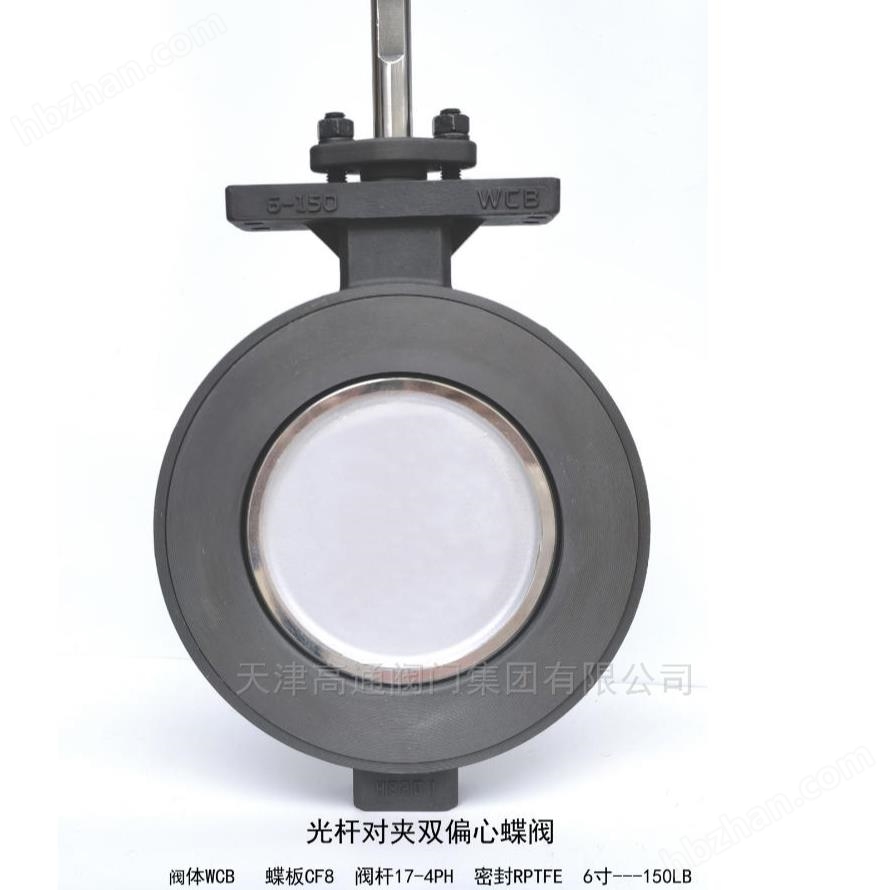
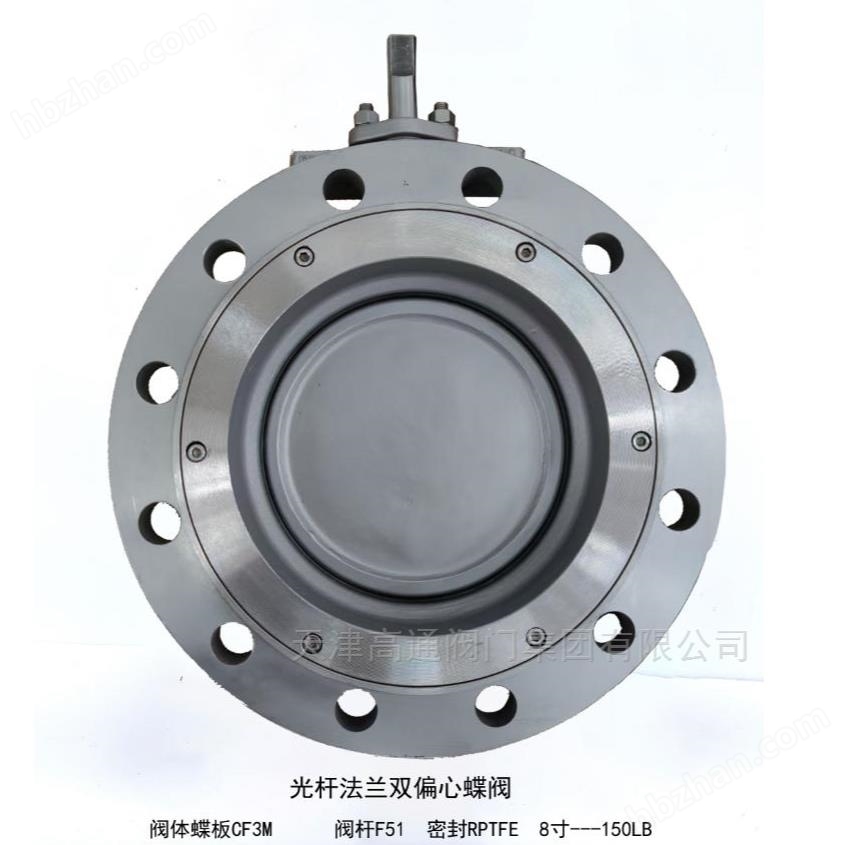
D371F-16Q is a worm gear driven clamp type butterfly valve. The valve body is made of ductile iron (Q), sealed with PTFE (F), and has a nominal pressure of 1.6MPa. Compact structure, lightweight switch, reliable sealing, suitable for water, oil, corrosive media, widely used in water treatment, chemical, food and other fields
Clamp type centerline butterfly valve
Clamp type centerline butterfly valveIt is a valve that combines the corrosion resistance characteristics of stainless steel with the excellent sealing and corrosion resistance performance of PTFE. The following is a detailed introduction:
Main body compositionComposed of a valve body, valve stem, butterfly plate made of stainless steel, and sealing components made of polytetrafluoroethylene (PTFE) material. The commonly used stainless steel materials include 304, 316, etc., ensuring that the valve has good mechanical strength, corrosion resistance, and oxidation resistance.
connection methodAdopting a clamp design, the valve is clamped between the pipes through two flanges, eliminating the need for additional flanges at both ends of the valve, saving space and cost, and making installation and disassembly easy.
By relying on driving devices (such as manual, electric, pneumatic, etc.) to drive the valve stem to rotate, the valve stem then drives the butterfly plate to rotate 90 ° around its own axis inside the valve body. When the butterfly plate rotates to the 0 ° position, the valve is in a closed state, cutting off the flow of the medium; When rotated to the 90 ° position, the valve opens and the medium can pass smoothly. Flow regulation can be achieved between 0-90 °.
Strong corrosion resistanceStainless steel itself has a certain degree of corrosion resistance to various chemicals, and PTFE materials can withstand the corrosion of almost all chemicals, including concentrated acids, strong bases, strong oxidants, etc., making them suitable for the transportation and control of highly corrosive media.
sealPTFE material has extremely low friction coefficient and good self-lubricating properties, which can tightly adhere to the butterfly plate, achieve bidirectional zero leakage, effectively prevent medium leakage, and ensure stable system operation.
Suitable for a wide temperature rangeStainless steel can work in a wide temperature range, and the use temperature range of PTFE material is usually -180 ℃ -260 ℃, making the valve adaptable to various high and low temperature conditions.
Small size and light weightCompared to some traditional valves, the clamp type structure design makes the valve compact, lightweight, easy to install and transport, and occupies less space.
chemical engineering fieldUsed for transporting and controlling various highly corrosive chemical raw materials, chemical reagents, acid-base solutions, organic solvents and other media, such as sulfuric acid, hydrochloric acid, sodium hydroxide solutions, etc.
Food and beverage industryDue to their compliance with food hygiene standards, stainless steel and PTFE materials can be used for the transportation and control of food grade fluids such as juice, milk, and drinking water, ensuring that the fluids are not contaminated during transportation.
pharmaceutical industrySatisfy the high cleanliness and corrosion resistance requirements for fluid transportation in the pharmaceutical production process, and can be used to transport various drugs, chemical reagents, etc.
environmental protection industryIn environmental protection projects such as sewage treatment and waste gas treatment, it is used to control the discharge and treatment of corrosive wastewater and acid-base waste gas.
Nominal diameter and pressureBased on the actual pipeline diameter and system pressure, select valves with appropriate nominal diameter and nominal pressure to ensure that the valves are compatible with the pipeline system and avoid affecting normal use due to insufficient pressure or improper diameter.
Drive TypeSelect different driving modes such as manual, electric, and pneumatic according to the usage scenario and operational requirements. If remote control or automation operation is required, electric or pneumatic drive can be selected.
medium characteristicsIn addition to considering corrosiveness, attention should also be paid to the viscosity and particle size of the medium. If the medium contains particles, special design or additional protective measures should be considered for the internal structure of the valve to prevent jamming.