-
E-mail
syatfj@163.com
-
Phone
13655818927
-
Address
Shangpu Industrial Park, East Side of National Highway 104, Shangpu Town, Shangyu District, Shaoxing City, Zhejiang Province
Product Categories
Shaoxing Shangyu'an Ventilation Fan Equipment Co., Ltd


DWEX series side wall fan
NegotiableUpdate on 02/16
- Model
- Nature of the Manufacturer
- Producers
- Product Category
- Place of Origin
Overview
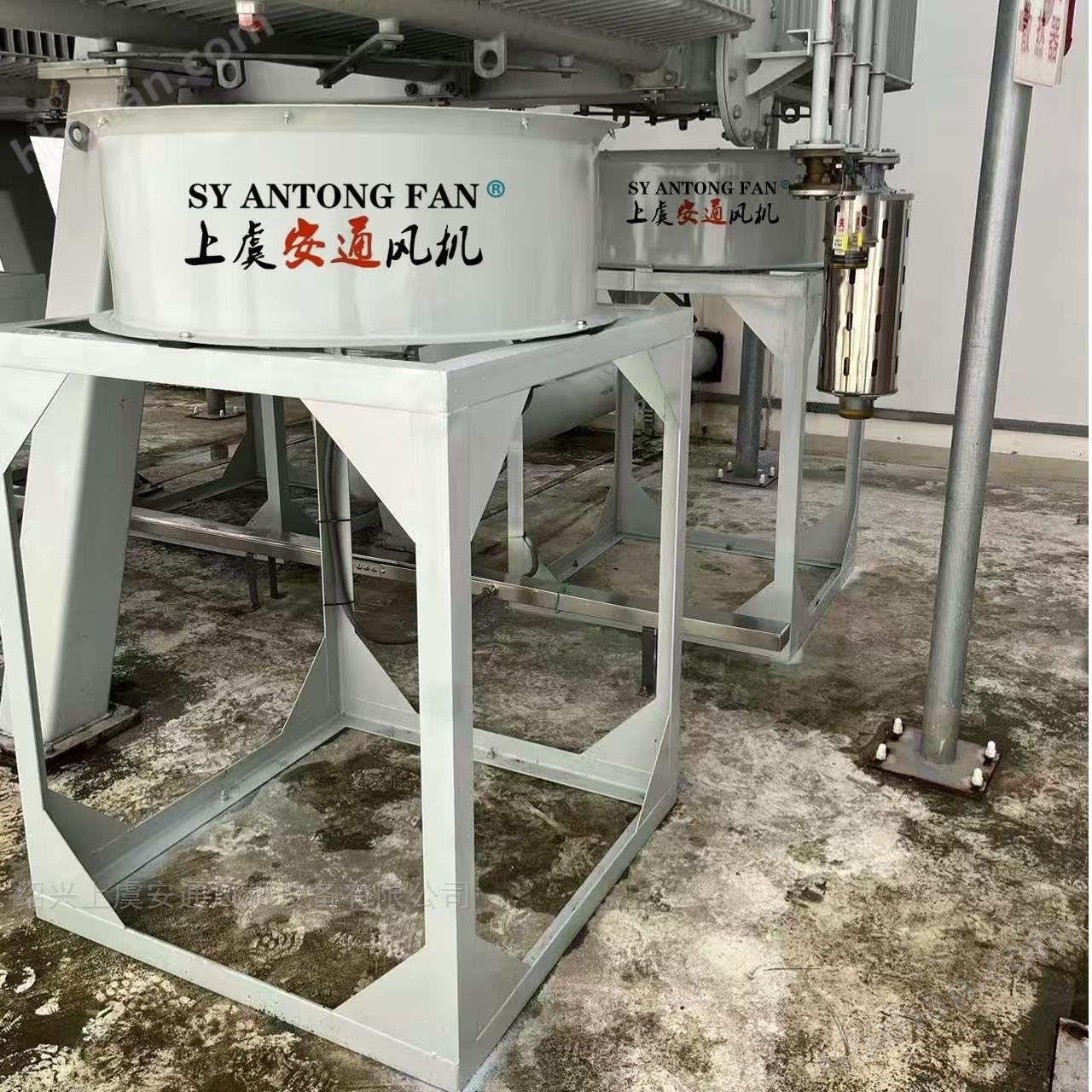
The fan is designed with a square shell that can be easily installed on concrete walls, brick walls, or light steel wall panels. The square rain cover (which can be made at 45 degrees, 60 degrees, and 90 degrees) has a sturdy structure, beautiful appearance, easy installation, and rain and insect proof functions.
Product Details
The wall mounted axial flow exhaust fan adopts an airfoil axial flow impeller and a low-noise external rotor motor for direct transmission or an aluminum alloy impeller+motor for direct connection. The square shell design can be easily installed on concrete walls, brick walls or light steel pressed wall panels. The square rain cover structure is firm and the appearance is beautiful. It has the characteristics of low noise, large air volume, reliable operation, wide range of performance parameters, and easy installation. It is widely used in the side wall ventilation and air exchange of factories, mines, workshops, and civil and commercial construction projects.
BWEX explosion-proof side wall fan wall axial flow exhaust supply fan is generally used for side wall exhaust, equipped with a 45 rain cover (or specially manufactured as 60) and insect proof net (can prevent insects from flying into the workshop through lights at night). The side wall air supply fan model can be made into DWSP (WSP) according to the needs, equipped with a 90 'rain cover (windproof, rain proof, dust proof) and insect proof net (can prevent insects from flying into the workshop through lights at night) The installation and maintenance instructions for the BWEX explosion-proof side wall fan wall mounted axial flow exhaust supply fan are as follows:
1. The foundation for the maintenance and installation of WEX side wall fans must be higher than the roof, with a flat surface to prevent water leakage, and foundation bolts must be pre embedded.
2. Add a layer of 5mm rubber plate between the maintenance base and foundation of the WEX side wall fan to reduce vibration. The anchor bolts should be equipped with spring washers to prevent loosening during use. Before debugging and operating, a detailed inspection of all components of the fan should be carried out, and the rotating impeller should be free of stagnation, jamming, and rubbing.
4. At the beginning of the trial operation, first jog the motor to check if the impeller rotation direction is correct (the impeller should rotate counterclockwise when looking down). 5. During the trial operation or normal use, there should be no abnormalities, and the voltage, current, vibration, and noise should be within the normal range. During operation, if any of the following situations occur, the machine should be stopped immediately, the cause should be identified, and the machine can only be started after waiting in line for faults.