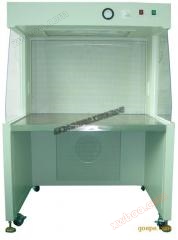
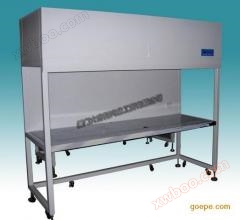
Submerged flow dust collector 1. Basic principle: This dust collector uses gravity and downward airflow to super filter particles larger than micrometers in the dust through the filter cartridge of a super fine filter. It can also recycle useful dust such as flour, dyes, and drugs that originally floated into the atmosphere at the sub micrometer level, turning waste into treasure while protecting the atmosphere from pollution
Sinking flow dust collector
1、 Basic principles
This dust collector utilizes gravity and downward airflow to super filter particles larger than micrometers in the dust through the filter cartridge of a super fine filter. It can also recycle useful dust such as flour, dyes, and drugs that originally floated into the atmosphere at the sub micrometer level, turning waste into treasure while protecting the atmosphere from pollution. During normal operation, dusty air enters the dust collector through the top inlet and is captured on the surface of the filter cartridge. Meanwhile, clean air enters the clean air chamber through the center of the filter cartridge and is discharged through the outlet.
2、 Key technologies
The dust collector is designed with a secondary purification system, and the inlet of the dust collector is designed with a gravity inertia settling chamber. After the dusty airflow enters the settling chamber, the flow velocity rapidly decreases and moves in a settling or near settling state. The dust particles in it slowly settle towards the ash hopper in the settling chamber under gravity, making the airflow more uniform and reducing the load on the filter cartridge, playing a primary dust removal role. After passing through the first stage dust collector, gravity and downward airflow are utilized to continue uniformly downward flow. The ultra-fine filtration of submicron particle dust is carried out through the filter cartridge of the ultrafine filter screen. The key technology is the role of a layer of ultrafine fiber layer adhered to the front of the filter material. This fiber layer is loaded onto the surface of the filter material through a special process, thereby achieving the purpose of purifying the air by ultrafiltration of submicron particle dust.
Typical scale
NF-CLC-II-4-32 Submerged Flow Dust Collector
Main technical indicators
1. Dust removal efficiency: over 99%;
2. Rated processing air volume 3000-7040m3/h;
3. Dust removal air leakage rate<3%;
4. The initial resistance of the dust collector is 300Pa;
5. The filtered particle size is above 0.5 μ m.
Main equipment and operation management
1、 Main equipment
Ultra fine filter cartridge, solenoid valve, three needle differential pressure pulse controller, fan, electrical components, shock absorber, and electrical control system.
2、 Operation management
Automatic control, simple operation and long-term stability and reliability, quick and convenient replacement of filter cartridges.
Investment benefit analysis
1、 Investment situation
1. Total investment: 6 million yuan
2. Equipment investment: 3.6 million yuan
3. Main equipment lifespan: 30-50 years
4. Operating cost: 250000 yuan
5. Investment payback period: 10 years
2、 Economic Benefit Analysis
1. Direct economic benefits: 360000 yuan/year
2. Profit and tax: 110000 yuan/year
3、 Environmental benefit analysis
Dust removal efficiency: over 99%
Dust collectors purify and remove dust generated by users, avoiding air pollution to the environment, ensuring the health of workers, and recycling useful dust such as flour and dyes into treasure. They can replace imports and save a lot of foreign exchange for the country.
Promotion situation and user feedback
1、 Promotion and application situation
This dust collector is mainly used for purifying, removing and recovering industrial dust (shot blasting dust, cutting dust, dyes, etc.).
2、 User feedback:
Since its launch, the dust removal effect has been very significant, with a tested purification efficiency of over 99%, which meets the national air pollutant emission standards and is currently the most ideal dust removal equipment in China