-
E-mail
desenhuanjing@163.com
-
Phone
15537156339
-
Address
Room 513, Incubation Building 1, National University Science and Technology Park, No. 11 Changchun Road, High tech Zone
Product Categories
Zhengzhou Desen Environmental Technology Co., Ltd
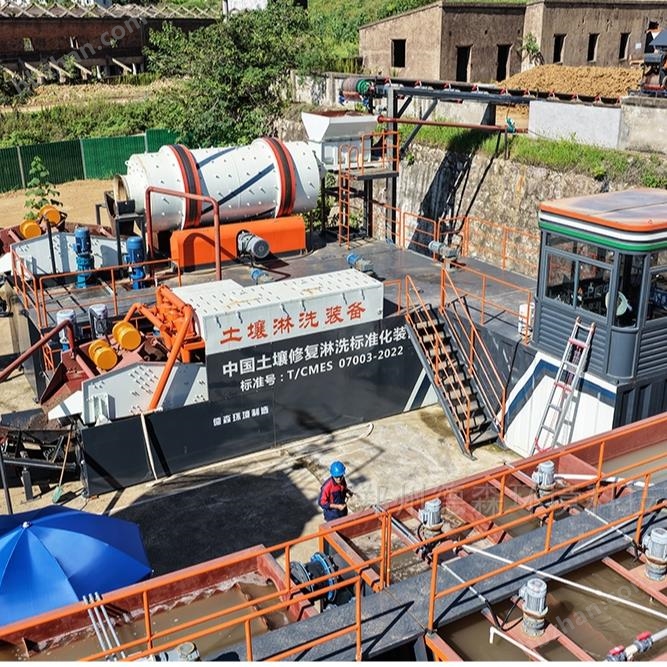

Equipment for treating sewage sludge in urban pipeline networks
NegotiableUpdate on 04/08
- Model
- Nature of the Manufacturer
- Producers
- Product Category
- Place of Origin
Overview
Walking into any Desen City sewage treatment equipment, the modular production line can always quickly attract attention - there is no need to build a fixed factory in advance, and the equipment can be assembled and debugged in just 2 hours after arrival. Whether it is an open municipal station or a narrow corner of an industrial park, it can be flexibly adapted.
Product Details
In the operation and maintenance system of urban underground pipelines, the treatment of sewage sludge is always an unavoidable pain point. This type of sludge, which is a mixture of sediment, oil pollution, household waste, and pipeline sediments, not only has a water content of over 80% and a complex and variable composition, but can also easily cause soil and groundwater pollution if piled up indiscriminately. Traditional landfill treatment also faces the dilemma of low reduction efficiency and almost zero resource utilization rate, which has caused headaches for many urban pipeline operation and maintenance units. The sewage sludge treatment equipment developed by Desen Environment, with its core design of "on-site operation and full process closed-loop", is becoming a key force in solving this problem.
Walk into any place, DesenEquipment for treating sewage sludge in urban pipeline networksModular production lines always attract attention quickly - there is no need to build fixed factories in advance, and equipment can be assembled and debugged in just 2 hours after arrival. Whether it is an open municipal station or a narrow corner of an industrial park, it can be flexibly adapted. After the cleaning vehicle pours the wet sludge into the feed inlet, the processing flow starts in an orderly manner: firstly, the multi-stage screening system efficiently selects the screening module, and the coarse screening screen separates large impurities such as dead branches and plastic bags, while the fine screening filters out small sand particles, allowing the sludge to be homogenized and avoiding subsequent blockages caused by impurities that affect efficiency; Subsequently, the pre treated sludge enters the high-efficiency deep cone concentration module, where the equipment automatically and accurately prepares special agents based on the oil content, viscosity, and other characteristics of the sludge. Through stirring, the agents react fully with the sludge, quickly breaking down the colloidal structure in the sludge and "dissociating" the water and pollutants originally wrapped in the sludge particles, laying the foundation for deep dewatering.
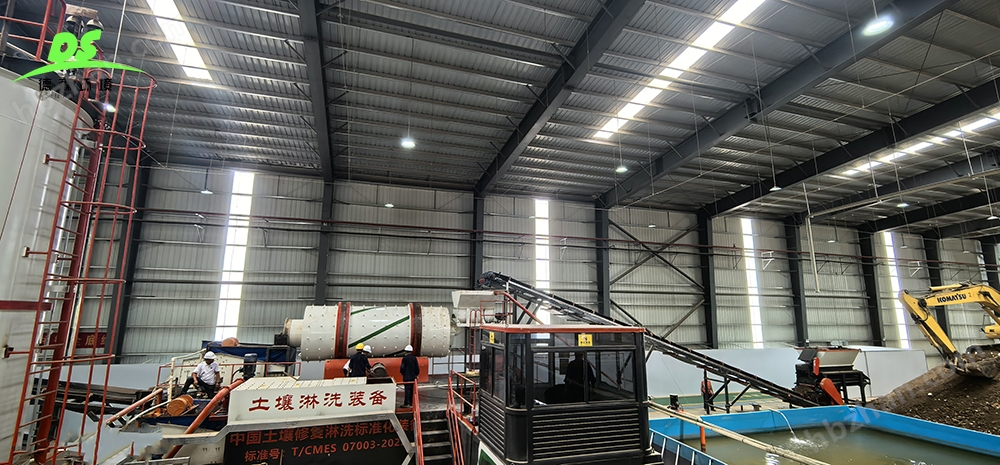
The deep dewatering process is the core of achieving sludge reduction. The conditioned sludge is transported to the high-pressure plate frame pressure filtration module. Under specific pressure, the free water and bound water in the sludge are gradually squeezed out, ultimately forming a dry sludge cake with a stable moisture content of less than 60%. On site data shows that after processing 10 cubic meters of wet sludge, only about 3 cubic meters of dry sludge cake can be produced, with a capacity reduction rate of over 70%. This means that the subsequent transportation costs and disposal site demand will be significantly reduced. More noteworthy is that the wastewater generated during the dehydration process will directly flow into the integrated water treatment module of the equipment. After treatment through the "coagulation sedimentation+membrane filtration" process, not only can it achieve standard discharge, but some of the clean water can also be recycled for equipment cleaning or chemical preparation, truly achieving no secondary pollution throughout the entire process.
The processed dry mud cake is not the traditional concept of "waste". After testing by a third-party testing agency, its heavy metal content, organic matter content, and other indicators meet the standards of "Sludge Disposal for Urban Sewage Treatment Plants and Landscape Greening" (GB/T 23486-2009). It can be directly used for park greening and backfilling of municipal road subgrades, transforming the original "pollution sludge" into a recyclable resource and achieving the goal of "harmless, reduced, and resourceful" treatment of sewage sludge.
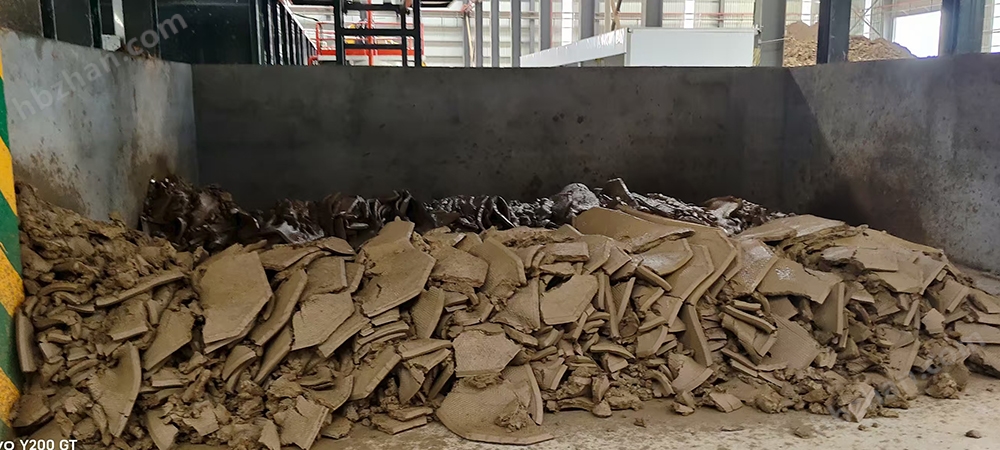
From the perspective of project practice,Equipment for treating sewage sludge in urban pipeline networksTheir strength has been verified in many places. In a renovation project of an old pipeline network in Jiangsu, the local sewage sludge accumulated for a long time, with high oil content and viscosity. Traditional equipment often encountered problems such as screen clogging and dewatering during treatment. The Desen equipment optimizes the screening gap and chemical formula in a targeted manner, not only achieving a daily sludge treatment capacity of 50 cubic meters, but also stabilizing the moisture content of the sludge cake below 55%. The COD (chemical oxygen demand) of the wastewater has been reduced from the initial 3000mg/L to below 500mg/L, far exceeding the local environmental protection discharge standards; In a dredging project in an industrial park in Guangdong, facing the requirements of narrow site and tight schedule, the equipment relied on the advantages of modular and rapid deployment to complete the treatment of 200 cubic meters of sewage sludge within 15 days. Compared with traditional landfill treatment methods, the cost was reduced by 40% and the cycle was shortened by nearly half, which was highly recognized by the project party.
Similar Product Recommend