-
E-mail
kunyizhice@163.com
-
Phone
18253636694
-
Address
Room 201, Office Building No.1, North Road, 2 kilometers east of the intersection of Jiaowang Road and Weiri Expressway, Yingqiu Town, Changle County, Weifang City, Shandong Province
Product Categories
Shandong Kunyi Intelligent Testing Equipment Co., Ltd



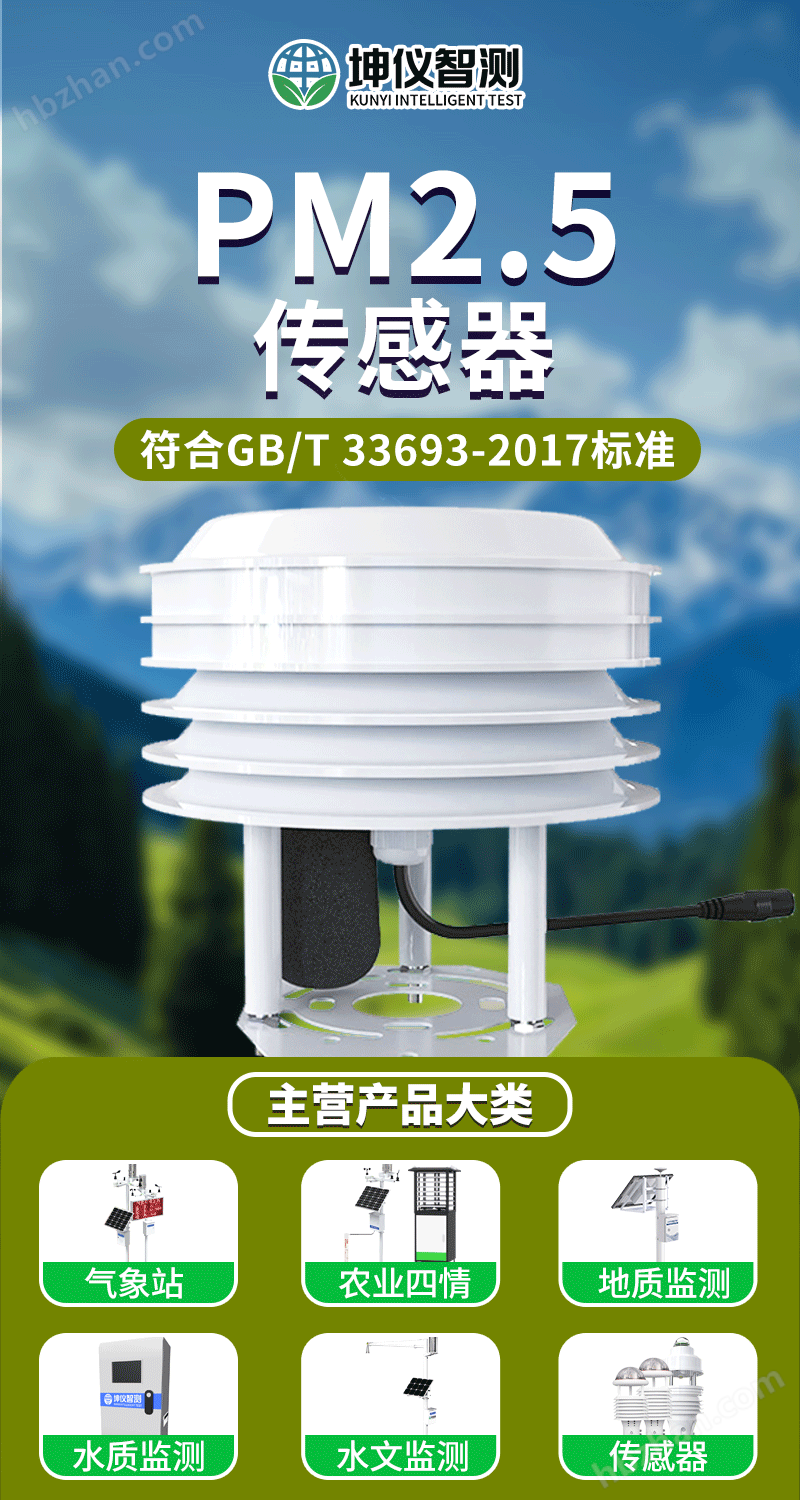
High precision PM2.5 sensor
NegotiableUpdate on 01/08
- Model
- Nature of the Manufacturer
- Producers
- Product Category
- Place of Origin
Overview
The high-precision PM2.5 sensor adopts anti-interference design (such as magnetic levitation fan, sealed structure) to reduce the impact of dust accumulation or environmental fluctuations on the measurement results. It can monitor the dust concentration in the workshop, prevent occupational diseases (such as pneumoconiosis) or explosion risks, and meet safety production standards.
Product Details
High precision PM2.5 sensorPerformance Characteristics
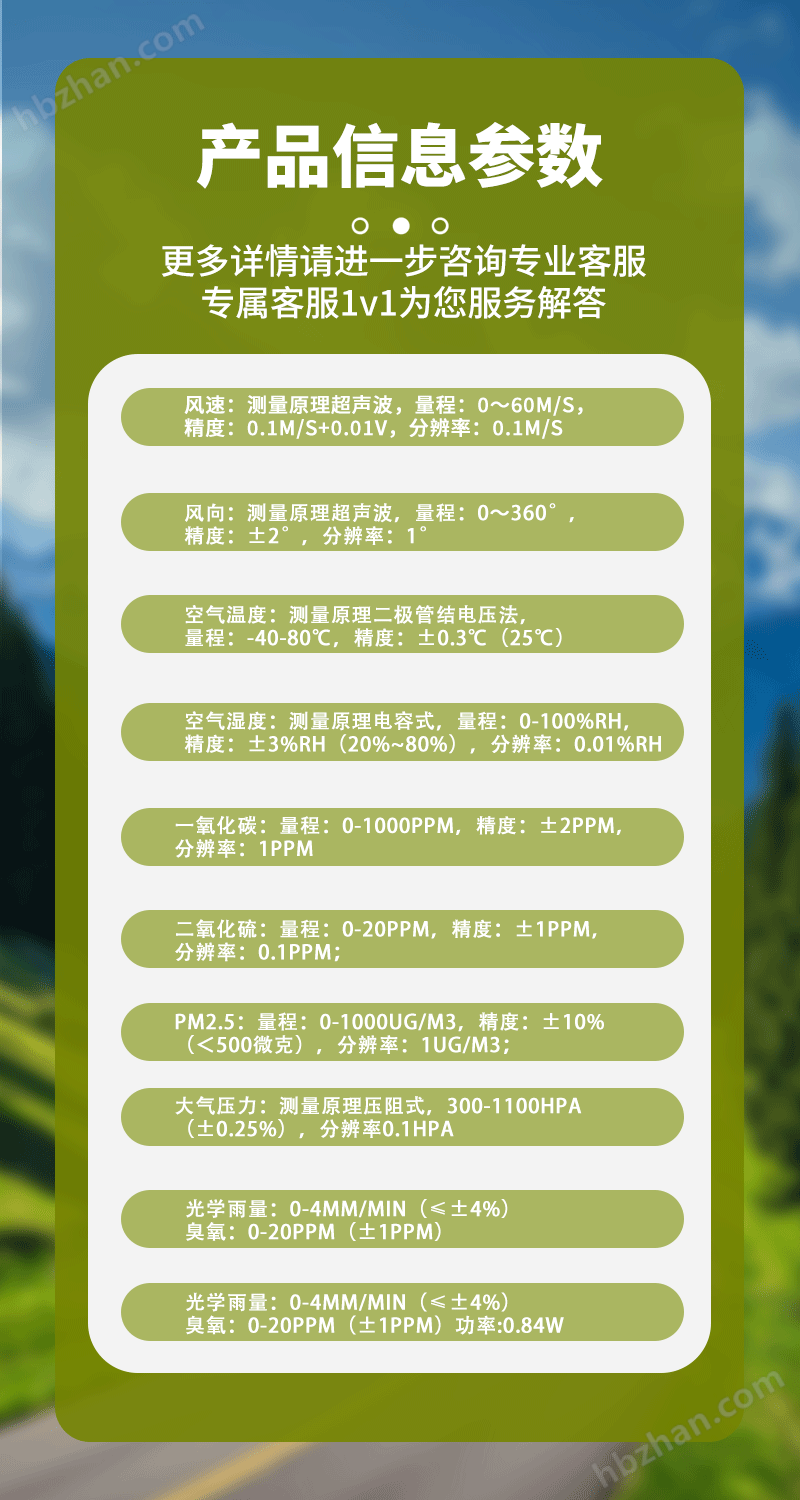
High precision detection: Laser type sensors can capture small particles through precise optical path design, with higher detection sensitivity than infrared type sensors, and are suitable for scenarios that require high data accuracy.
Quick response: The time from the entry of particulate matter into the detection area to the output of data is short, which can reflect real-time changes in air quality.
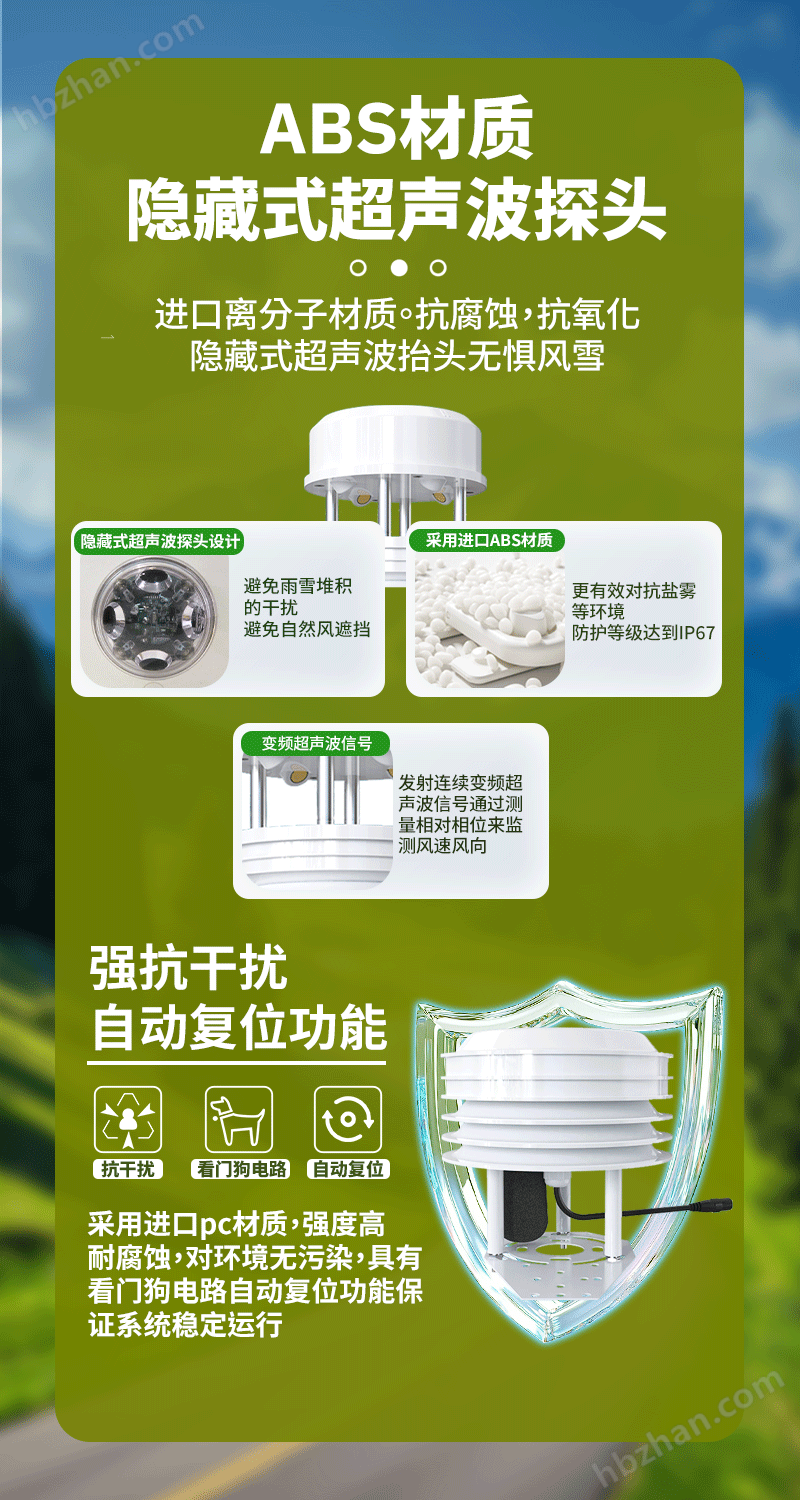
Strong stability: Adopting anti-interference design (such as magnetic levitation fan, sealed structure) to reduce the impact of dust accumulation or environmental fluctuations on measurement results.
Low power consumption and long lifespan: Optimize circuit design to reduce energy consumption, some models support solar power supply, and extend outdoor usage cycle.
Easy integration and maintenance: Provides digital interfaces (such as UART, I2C) or wireless transmission functions to simplify the connection with the main control system; Modular design facilitates disassembly and cleaning.
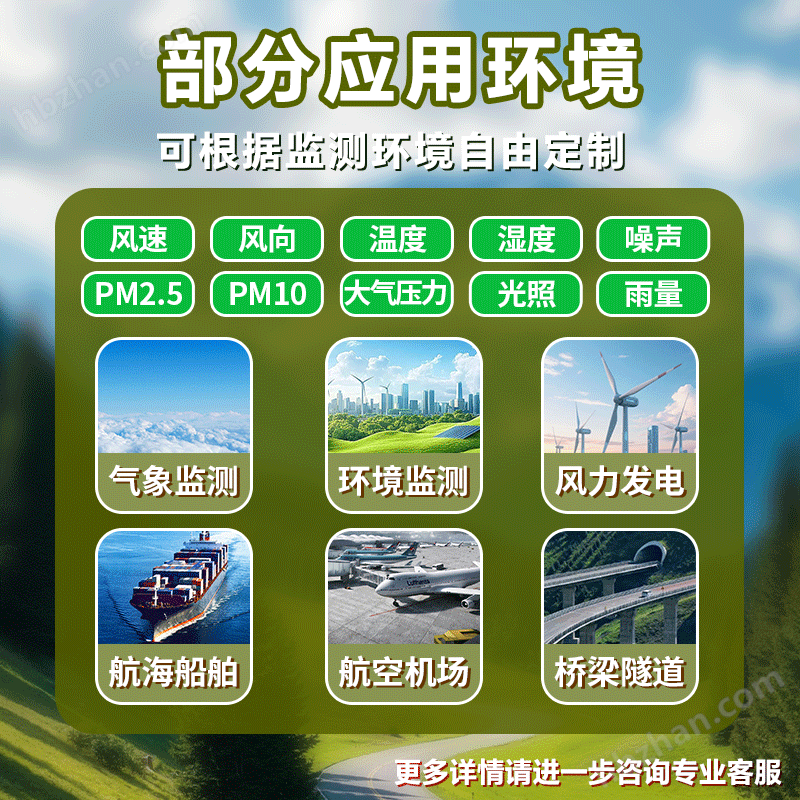
High precision PM2.5 sensorApplication field
Smart Home: Embedded with air purifiers, fresh air systems, smart speakers and other devices to achieve automatic adjustment of operating modes or push air quality warnings.
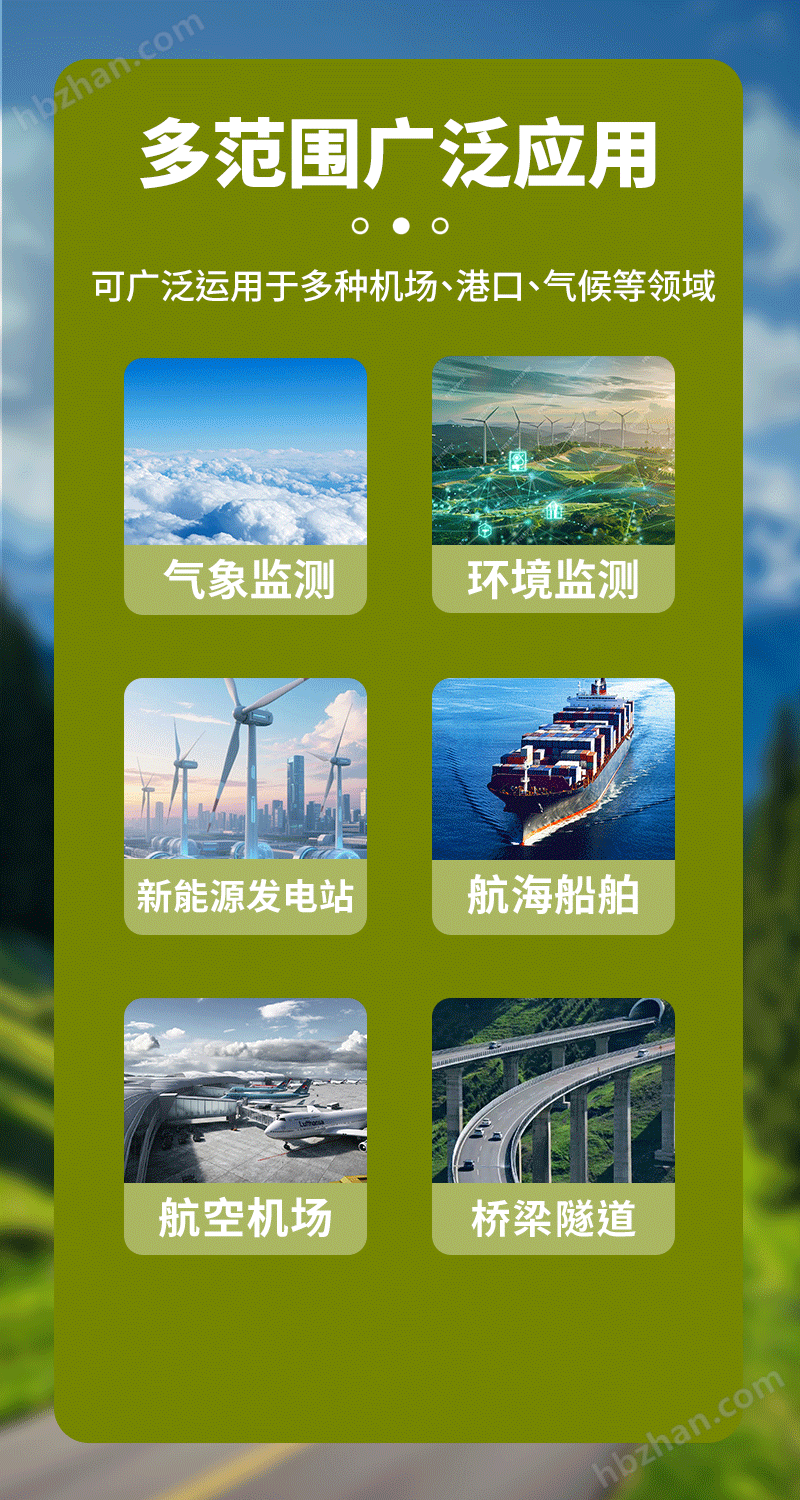
Environmental monitoring: deployed at urban air quality monitoring stations, industrial parks, or transportation hubs to provide pollution tracing and control basis for environmental protection departments.
Industrial control: Monitor workshop dust concentration, prevent occupational diseases (such as pneumoconiosis) or explosion risks, and comply with safety production standards.
Health management: integrated into wearable devices (such as smartwatches) to help users avoid high pollution areas and adjust outdoor activity time.
Special scenario: Applied to dust intensive environments such as mines and construction sites, or places with high air cleanliness requirements such as hospitals and laboratories.
Product function
Real time monitoring: providing continuous and dynamic air quality data to help users or systems perceive pollution risks in a timely manner.
Decision support: Provide scientific basis for personal health protection (such as wearing masks), corporate emission control, or government pollution control.
Warning function: When PM2.5 concentration exceeds the standard, an alarm or linked device (such as starting a purifier or closing windows) will be triggered.
Data recording and analysis: Long term storage of historical data to assist in studying trends in air quality changes or the causes of pollution events.