-
E-mail
kunyizhice@163.com
-
Phone
18253636694
-
Address
Room 201, Office Building No.1, North Road, 2 kilometers east of the intersection of Jiaowang Road and Weiri Expressway, Yingqiu Town, Changle County, Weifang City, Shandong Province
Product Categories
Shandong Kunyi Intelligent Testing Equipment Co., Ltd


High precision multi-element monitoring sensor
NegotiableUpdate on 01/08
- Model
- Nature of the Manufacturer
- Producers
- Product Category
- Place of Origin
Overview
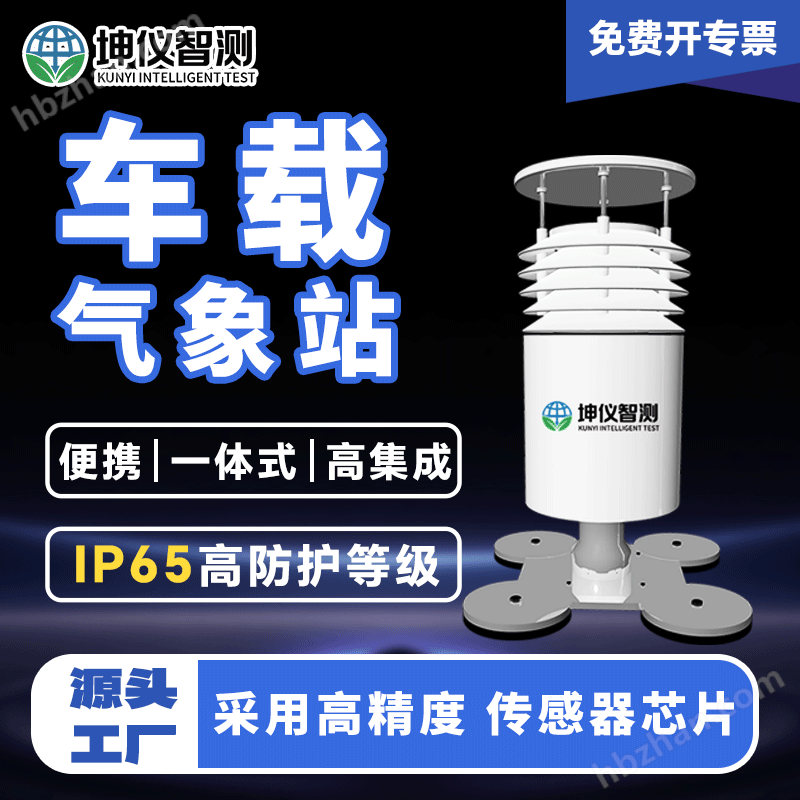
High precision multi-element monitoring sensor is a highly integrated intelligent detection device that synchronously detects multiple physical and chemical parameters in the environment (such as temperature, humidity, air pressure, wind speed, gas concentration, light intensity, etc.) through a single structure or modular design.
Product Details
High precision multi-element monitoring sensorApplication field
Environmental monitoring:
Monitor air quality (PM2.5, NO ₂, SO ₂), water quality (pH, dissolved oxygen, turbidity) or soil parameters (humidity, nitrogen and phosphorus content) to provide data support for environmental decision-making.
Industrial safety:
Detect the concentration and temperature of methane and carbon monoxide in mines to prevent explosion accidents; Monitor toxic gas leaks in the chemical workshop and trigger the emergency exhaust system.
Agricultural planting:
Linkage regulation of temperature, humidity, CO ₂ concentration, and light in greenhouses to optimize crop growth conditions; Outdoor farmland monitoring of rainfall and soil moisture to guide precise irrigation.
Meteorological observation:
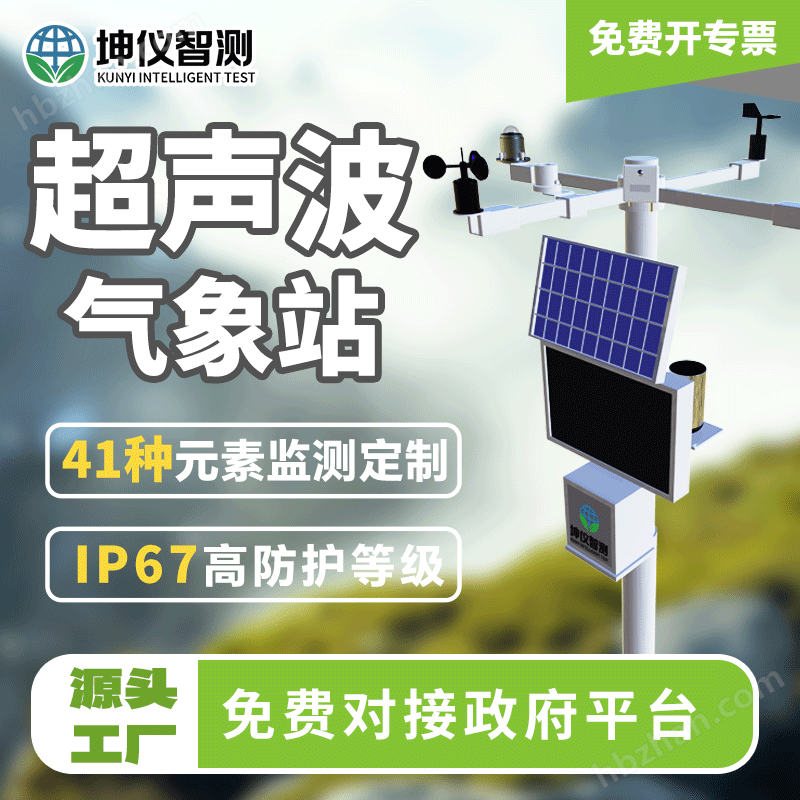
Integrate temperature and humidity, wind speed, wind direction, air pressure, and precipitation sensors to build a micro meteorological station that supports weather forecasting and disaster warning.
Smart Home:
Monitor indoor VOCs concentration, temperature, humidity, and lighting, and link air conditioning, fresh air systems, and curtains to improve living comfort.
High precision multi-element monitoring sensorPrecautions for use
Parameter matching scenario requirements:
Clearly prioritize core parameters (such as prioritizing lighting and CO ₂ in agricultural scenarios, and prioritizing gas concentration and temperature in industrial scenarios) to avoid selecting redundant functions.
Verify the "true integration" design:
Confirm whether the sensors share the sampling chamber (such as gas and temperature and humidity sensors sharing the same gas path), support cross calibration (such as temperature and humidity compensation gas detection), and synchronize data output (time difference<10ms).
Assess environmental adaptability:
Check the sensor tolerance limit (such as the operating temperature range of the gas module) to ensure that all parameter modules can adapt to special conditions (such as high temperature, high humidity, dust).
Interface and Scalability:
Choose a model that supports modular expansion (such as the basic model with temperature and humidity+VOC, and may add PM2.5 module in the future), and is compatible with mainstream communication protocols (such as RS485, WiFi).
Tested and verified performance:
Require suppliers to provide mixed condition test reports, with a focus on gas detection stability under high humidity (90% RH), temperature and humidity deviations under strong light exposure, and parameter consistency after long-term operation.