-
E-mail
kunyizhice@163.com
-
Phone
18253636694
-
Address
Room 201, Office Building No.1, North Road, 2 kilometers east of the intersection of Jiaowang Road and Weiri Expressway, Yingqiu Town, Changle County, Weifang City, Shandong Province
Product Categories
Shandong Kunyi Intelligent Testing Equipment Co., Ltd
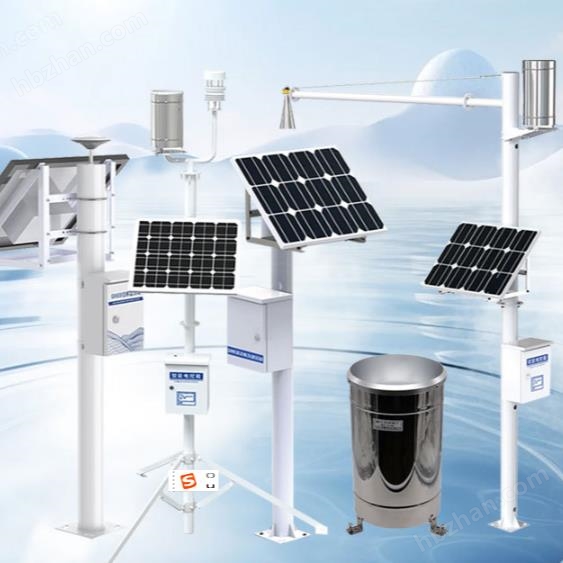
Hydrological automatic monitoring system equipment
NegotiableUpdate on 01/08
- Model
- Nature of the Manufacturer
- Producers
- Product Category
- Place of Origin
Overview
The hydrological automatic monitoring system equipment is an integrated system used for real-time monitoring and recording of hydrological elements, aimed at acquiring, recording, and analyzing data related to hydrological processes. These systems have important application value in fields such as water resource management, flood prevention and control, and environmental protection.
Product Details
Hydrological automatic monitoring system equipmentHydrological automatic monitoring systemIt is an intelligent and networked comprehensive monitoring system that integrates hydrological data collection, transmission, processing, storage, and application. It achieves all-weather, continuous, and real-time monitoring of hydrological factors such as water level, flow rate, rainfall, water quality, evaporation, and sediment content by deploying automated monitoring equipment in key locations such as rivers, reservoirs, lakes, groundwater, and urban drainage systems. It is widely used in water management, flood control and drought resistance, water resource scheduling, ecological protection, and smart city construction.
Hydrological automatic monitoring system equipmentThe hydrological automatic monitoring system is an integrated system used for real-time monitoring and recording of hydrological elements, aimed at acquiring, recording, and analyzing data related to hydrological processes. These systems have important application value in fields such as water resource management, flood prevention and control, and environmental protection.
1. System composition
The hydrological automatic monitoring system usually consists of the following parts:
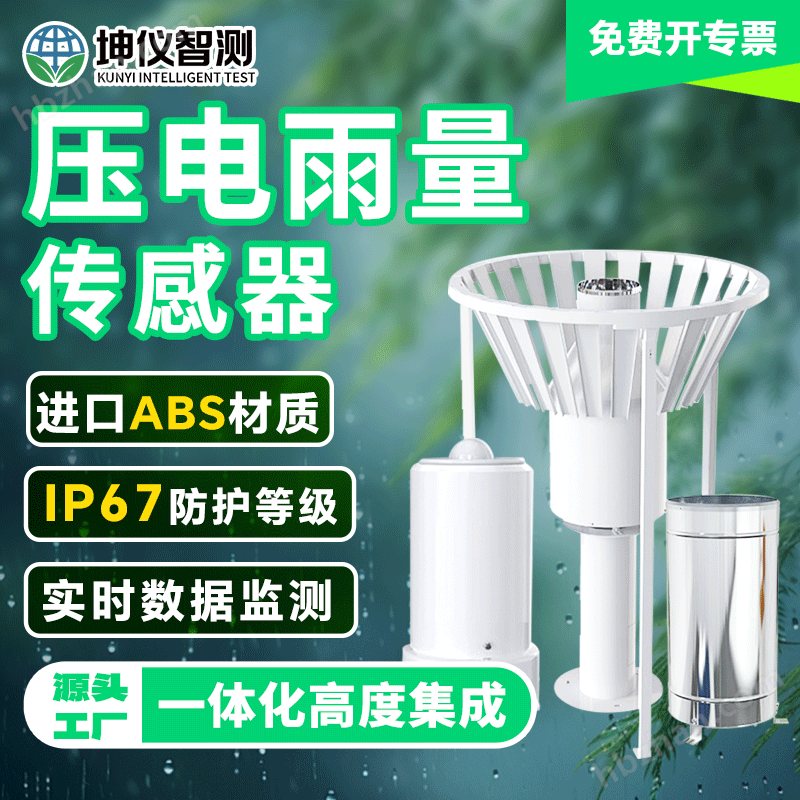
Sensors and measuring equipment: including water level gauges, flow meters, water quality monitoring instruments, rain gauges, etc., used for real-time measurement and recording of hydrological parameters.
Data collection equipment: responsible for real-time collection of sensor measurement data and storing the data in local or cloud databases.
Data transmission system: By using wireless communication technologies such as GPRS and satellite communication, monitoring data is transmitted to remote databases or data centers to achieve real-time data sharing and remote access.
Software platform: used for data analysis, chart display, and report generation, helping users better understand hydrological processes and trends.
2. Working principle
The working principle of the hydrological automatic monitoring system is as follows:
Data collection: Sensors measure hydrological parameters in real-time, such as water level, flow rate, flow rate, rainfall, etc., and transmit the data to data collection devices.
Data storage: Data collection devices store the collected data in local or cloud databases.
Data transmission: By using wireless communication technology, data is transmitted to remote data centers or monitoring platforms.
Data analysis: The software platform performs statistical analysis and chart display on the collected data, generates reports, and provides warning functions.
3. Characteristics and advantages
Real time monitoring: capable of monitoring and recording hydrological data in real-time and continuously, improving the timeliness and accuracy of data.
Automation: reduces manual intervention, improves work efficiency and data reliability.
Remote access: users can access and distribute information in real time through the Internet or mobile devices
Analyze hydrological data.
Analyze hydrological data.
Warning function: Based on real-time monitoring data and pre-set thresholds, it provides warning and alert functions to help address issues such as floods, droughts, and water pollution.
Multiple sensors: Supports multiple types of sensors, capable of monitoring various hydrological parameters to meet the needs of different application scenarios.
4. Application scenarios
Water resource management: helping decision-makers develop reasonable water resource planning and management strategies.
Flood prevention and control: Provide real-time hydrological data and warning information to help respond to flood disasters.
Environmental protection: Monitor water quality parameters and protect the aquatic ecological environment.
Agricultural irrigation: Optimize irrigation schemes to improve water resource utilization efficiency.