-
E-mail
330858@qq.com
-
Phone
18733501586
-
Address
3rd Floor, Zone 1, Phase II Standard Factory Building, No. 11 Yanghe Road, Qinhuangdao Economic and Technological Development Zone
Product Categories
Hebei Lantis Environmental Protection Technology Co., Ltd
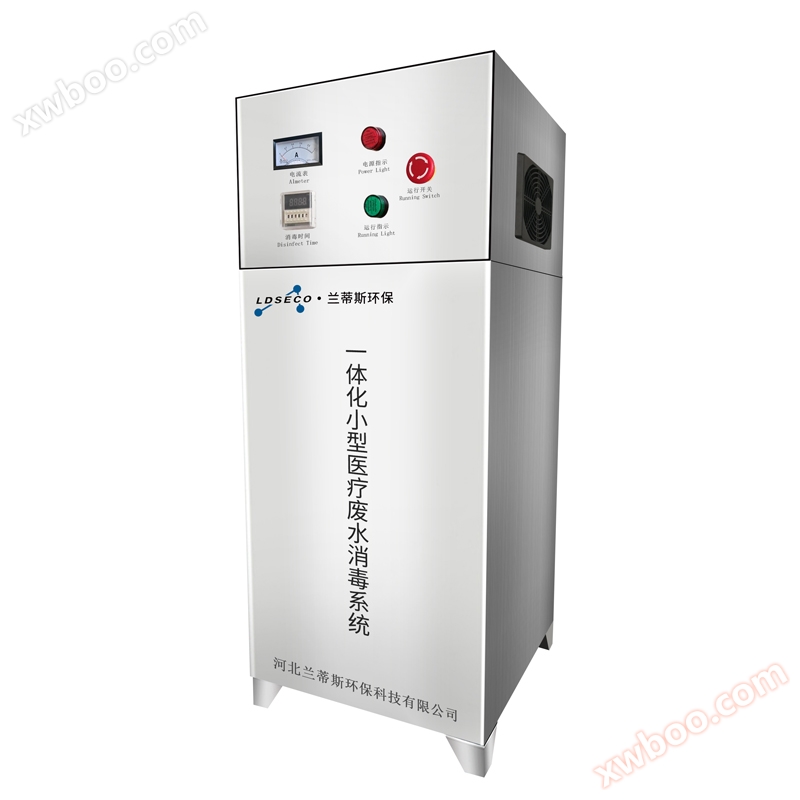
Integrated ozone treatment equipment for clinic wastewater
NegotiableUpdate on 03/04
- Model
- Nature of the Manufacturer
- Producers
- Product Category
- Place of Origin
Overview
Integrated ozone treatment equipment for clinic wastewater. Clinic wastewater mainly comes from various waiting patient cleaning, treatment process cleaning, equipment cleaning, room cleaning, etc. In addition to containing a large number of pathogenic microorganisms, parasite eggs such as roundworm eggs, and various viruses such as hepatitis virus, pulmonary tuberculosis bacteria, and dysentery bacteria, it also contains a large amount of pollutants. When a large amount of non communicable substances such as muscle tissue precipitate, worms with a high specific gravity and their eggs, as well as a large number of bacteria, are deposited together in the sludge
Product Details
Integrated ozone treatment equipment for clinic wastewater

Clinic sewage mainly comes from various types of patient cleaning, treatment process cleaning, equipment cleaning, room cleaning, etc. In addition to containing a large number of pathogenic microorganisms, parasite eggs such as roundworm eggs, and various viruses such as hepatitis virus, pulmonary tuberculosis bacteria, and dysentery bacteria, it also contains a large amount of pollutants. When a large amount of non communicable substances such as muscle tissue are precipitated, worms and their eggs with a high density, as well as a large number of bacteria, are deposited together in the sludge. In the back-end of clinic sewage treatment, using ozone for sterilization and advanced oxidation to remove organic matter has advantages over other treatment methods. With the further strict requirements for sewage discharge, the use of ozone in small-scale integrated clinic sewage treatment will become more popular.
Application and description of the device:
Medical wastewater is a type of low concentration wastewater with water quality similar to general domestic wastewater. In addition to organic and inorganic pollutants such as various drugs and disinfectants, it also contains chemical substances, toxic wastewater, and pathogens, with a relatively complex composition. If the wastewater is directly discharged into the water body without treatment, it will cause serious pollution to the surrounding water and soil, thereby endangering people's daily lives. It must be disinfected before discharge. The "Discharge Standards for Water Pollutants in Medical Institutions" (GB18466-2016) issued by the State Environmental Protection Administration requires that the sewage from clinics and hospitals must undergo a first level disinfection treatment before being discharged into the municipal pipeline network. The disinfection treatment of sewage can generally be divided into pre-treatment before disinfection and disinfection of sewage. In the disinfection treatment of sewage in small clinics, pre-treatment and disinfection are often carried out simultaneously.
Characteristics of sewage treatment equipment:
The main component of the ozone based sewage treatment equipment process is ozone disinfection, which destroys and oxidizes the cell membrane, cytoplasm, enzyme system, and nucleic acid of microorganisms, thereby rapidly inactivating bacteria and viruses. The main advantages of ozone disinfection are that ozone is an excellent oxidant and fungicide, which can kill viruses and spores with strong chlorine resistance. Ozone disinfection is less affected by the pH and temperature of wastewater. Ozone can remove pollutants such as color, odor, taste, and phenol cyanide from wastewater, increase dissolved oxygen in water, and improve water quality. Ozone can decompose difficult to biodegrade organic matter and tertiary substances, improving the biodegradability of wastewater. Ozone is easily decomposed in water and will not cause secondary pollution due to residue. Our company utilizes advanced technologies such as automatic sewage collection and lifting, liquid level control, and ozone jet to manufacture ozone based sewage treatment equipment.
The automatic sewage collector has changed the traditional practice of digging pits to build sewage collection tanks, avoiding the growth of bacteria and the spread of odors. Effectively improving the medical environment in the consultation room and significantly enhancing the hospital's infection control measures.


Installation and usage precautions:
If the slope of the original sewage pipe network is not sufficient or there are too many water retention bends, resulting in a long retention time of sewage in the pipe network, it is recommended to install an automatic sewage collector;
2. Weekly flushing and cleaning of sewage collectors and sewage treatment equipment, and regular monitoring of wastewater discharge;
3. Choose the appropriate specifications based on the daily sewage treatment capacity, for example, dental hospitals can directly select based on the number of beds;
4. Provide complete technical solutions for selection, installation, construction, and maintenance guidance based on the site space and pipeline layout.


