-
E-mail
2547867349@qq.com
-
Phone
18975886221
-
Address
Xinkang Road, Economic Development Zone, Ningxiang County, Changsha City, Hunan Province (No. 105, Building 5, Miaosheng International Incubation Port)
Product Categories
Hunan Yuansheng Environmental Protection Equipment Co., Ltd

Jiangxi electrolytic chlorine dioxide generator manufacturer
NegotiableUpdate on 02/09
- Model
- Nature of the Manufacturer
- Producers
- Product Category
- Place of Origin
Overview
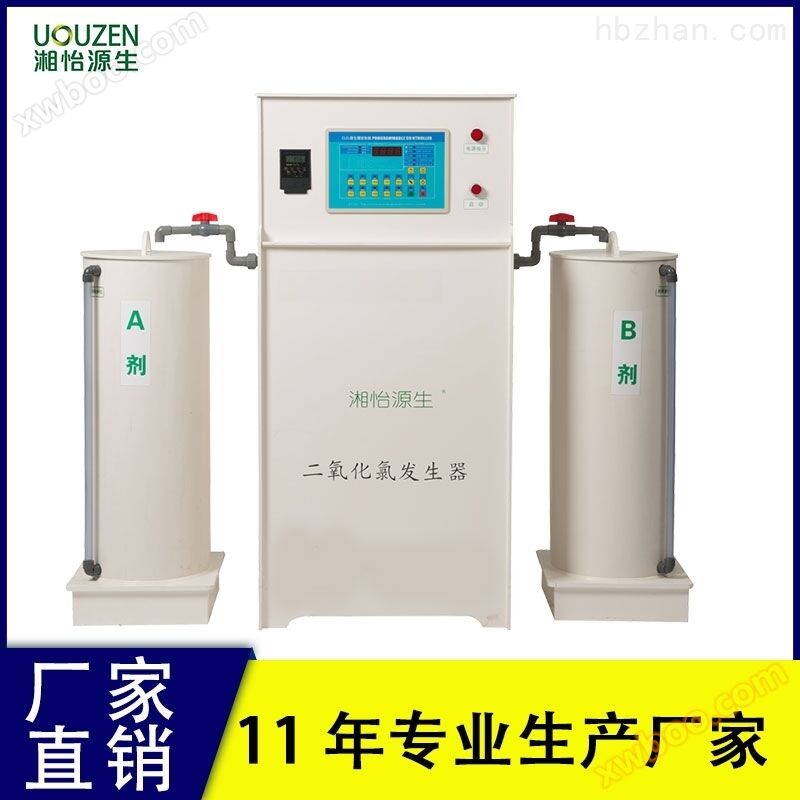
Jiangxi electrolytic chlorine dioxide generator manufacturer
Product Details
Jiangxi electrolytic chlorine dioxide generator manufacturer
technical specifications
1. The absorber adopts a water injector, which automatically inhales and produces chlorine dioxide. After entering the water injector, the chlorine dioxide is made into disinfectant and added to the water to be treated. The rated output of the metering pump should be 1.25 times the operating output. Intelligent industrial human-machine interface display, 5.7-inch touch screen, with automatic/manual switch, equipment on/off button, and operation fault signal indicator light on the panel.
2. The sodium chlorate original solution tank is a 6-cubic storage tank made of PE material with excellent oxidation resistance. It is equipped with a magnetic flap level gauge, which has the function of outputting high and low level switch signals. Using sodium chlorate and acid as raw materials, mixed in a 1:1 ratio, it has strong production capacity and high yield. The produced mixed gas contains 68% chlorine dioxide (calculated as 86% based on effective chlorine);
Jiangxi electrolytic chlorine dioxide generator manufacturer
Application scope
1. Disinfection of daily life, drinking, and tap water in various occasions;
2. Sterilization and disinfection of hygiene facilities in restaurants, hotels, homes, and tableware, as well as air environment disinfection.
3. Final sterilization and disinfection of equipment, pipelines, and containers in food and beverage factories and fermentation industries.
4. Sterilization treatment of pipelines, facilities, and environment in dairy factories and slaughterhouses;
5. Sterilization and disinfection treatment of hospital wastewater;
6. Sterilization and disinfection of swimming pools, industrial circulating water, and bathhouse water;
7. Disinfection, sterilization, deodorization, and anti mold treatment of hospital, hygiene, and clinical equipment;
8. Preservation and final washing and disinfection of household, hotel, restaurant, fruit and vegetable, fish and other food products;
9. Configure various oral disinfectants, deodorizers, and wound cleaning solutions.
10. Sterilization and deodorization in wastewater reuse;
11. Flour and bleaching agents for various foods;
12. Bleach agents used in the papermaking and printing and dyeing industries;
13. Cyanide cracking treatment of electroplating wastewater, decolorization treatment of printing and dyeing wastewater, and algae removal and sterilization treatment of industrial cooling water.


Similar Product Recommend