-
E-mail
jwdry8166@163.com
-
Phone
13915898166
-
Address
Jiaoxi Industrial Park, Zhenglu Town, Tianning District, Changzhou City, Jiangsu Province
Product Categories
Changzhou Jinwang Drying Equipment Co., Ltd

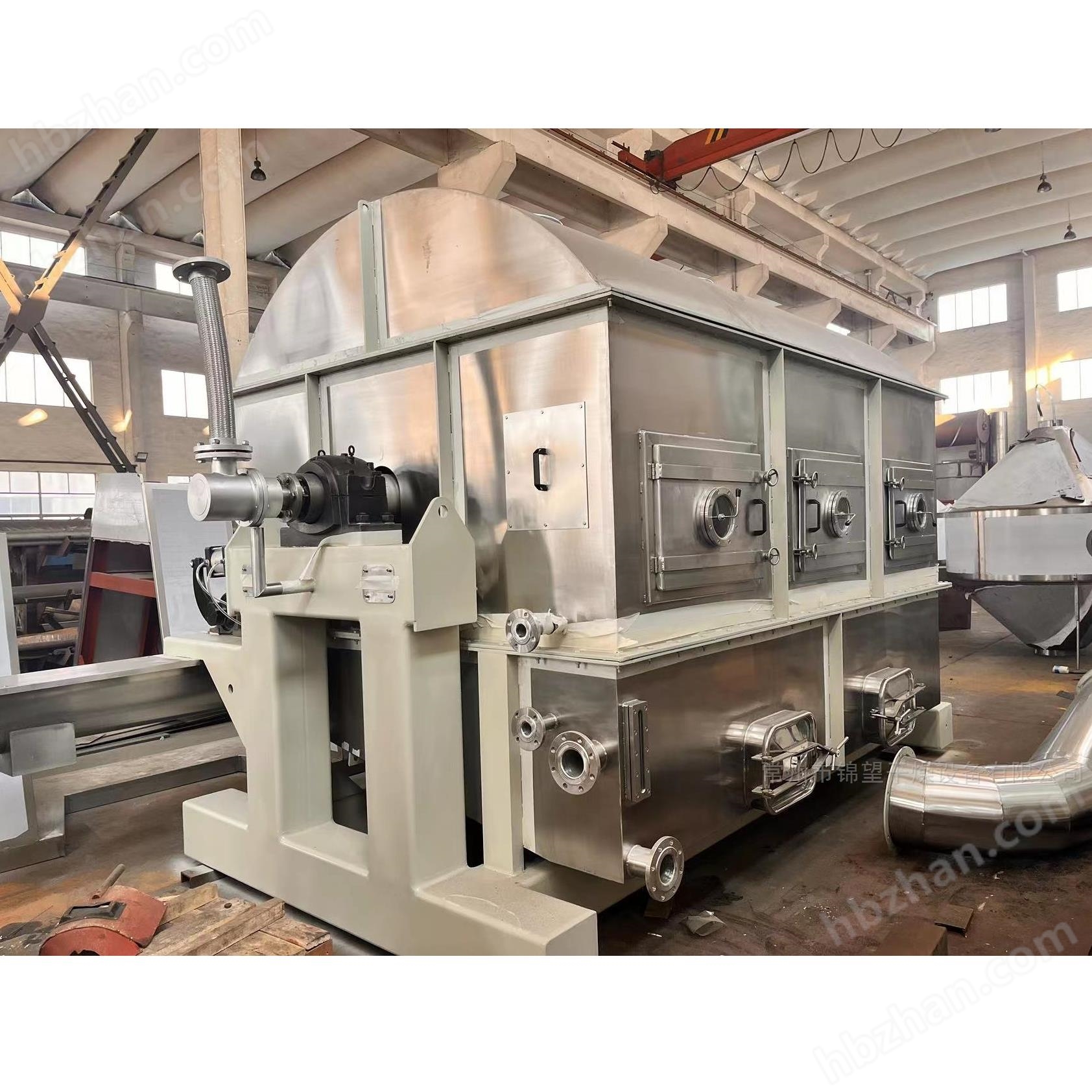
Jinwang solid waste drying equipment
NegotiableUpdate on 02/06
- Model
- Nature of the Manufacturer
- Producers
- Product Category
- Place of Origin
Overview
Solid waste drying equipment plays an important role in urban solid waste treatment. In the process of garbage incineration, drying equipment can remove moisture from the garbage, improve incineration efficiency, and reduce harmful gas emissions. At the same time, the heat generated by incineration can also be used for power generation and heating, achieving energy recovery and utilization. In terms of landfill, drying equipment reduces the moisture in the garbage, lowers the amount of leachate, mitigates the risk of groundwater pollution, and effectively utilizes the capacity of the landfill site.
Product Details
1、 Working principle of solid waste drying equipment
There are certain differences in the working principles of different types of solid waste drying equipment. Taking the common drum dryer as an example, it places solid waste materials in a rotating drum and uses hot air or other heat carriers to fully contact the materials, achieving heat and mass transfer processes, thereby evaporating and discharging the moisture in the materials and achieving the purpose of drying. The blade dryer, on the other hand, is equipped with stirring blades inside the equipment, so that wet materials can fully contact the heat carrier and hot surface under the stirring of the blades, thereby achieving drying. Among them, the hot air blade dryer dries by contacting a heat carrier (such as hot air) with the material being dried; Conductive type refers to the contact between the hot surface and the material, while the heat carrier does not directly contact the material. This special wedge-shaped stirring heat transfer blade has high heat transfer efficiency and self-cleaning function of the heat transfer surface.
2、 Application fields of solid waste drying equipment
1. Urban household waste treatment
Solid waste drying equipment plays an important role in urban solid waste treatment. In the process of garbage incineration, drying equipment can remove moisture from the garbage, improve incineration efficiency, and reduce harmful gas emissions. At the same time, the heat generated by incineration can also be used for power generation and heating, achieving energy recovery and utilization. In terms of landfill, drying equipment reduces the moisture in the garbage, lowers the amount of leachate, mitigates the risk of groundwater pollution, and effectively utilizes the capacity of the landfill site.
2. Slag processing
Slag dryer is widely used for processing materials such as slag, carbide slag, limestone, clay, river sand, quartz sand, etc. These devices are capable of efficiently processing large amounts of materials and are suitable for drying and upgrading bulk solid waste resources such as slag and carbide slag, achieving full utilization of waste resources. For example, slag after drying treatment can be used as raw materials for building materials, such as cement and concrete.
3. Coal slurry treatment
The steam coal slurry dryer utilizes the waste heat from power plant steam to dry and improve the quality of coal slurry. The high humidity coal slurry is dried by a drum dryer to achieve constant temperature drying of heat and mass transfer, and finally discharged with products that meet the moisture content requirements of the dry material. The dried coal slurry can be used as fuel, which improves the utilization rate of coal resources.
4. Agriculture and Feed Industry
Solid waste drying equipment can be used to process organic and inorganic fertilizers such as straw, grass, leaves, fish meal, corn sauce, starch, sugarcane bagasse, grass residue, distiller's grains, medicinal residue, fruit residue, etc. After drying treatment, these materials can be used as high-quality fertilizers or feed, providing support for agricultural production and animal husbandry development.
3、 Advantages of solid waste drying equipment
1. Significant environmental benefits
Solid waste drying equipment can reduce the moisture in solid waste and lower its pollution risk to the environment. For example, in garbage and sludge treatment, reducing moisture can reduce the production of leachate and avoid groundwater pollution; Reducing the moisture content during incineration can reduce the emission of harmful gases. Meanwhile, by drying solid waste, resource recycling can be achieved, reducing the exploitation of natural resources and promoting sustainable development.
2. Significant economic benefits
On the one hand, dried solid waste can be reused as a resource, creating economic value. Such as using slag for building material production, coal slurry as fuel, etc. On the other hand, solid waste drying equipment can improve production efficiency and reduce production costs. For example, in the chemical and metallurgical industries, dried materials are easier to store, transport, and process, reducing losses and energy consumption during the production process.
3. Strong adaptability
Solid waste drying equipment has strong adaptability and can be customized according to different solid waste characteristics and treatment requirements. Whether it is solid waste in powder, block or paste form, suitable drying equipment can be found for processing. Meanwhile, the operation and maintenance of the equipment are relatively simple and can adapt to the needs of different scales and production environments.