-
E-mail
syatfj@163.com
-
Phone
13655818927
-
Address
Shangpu Industrial Park, East Side of National Highway 104, Shangpu Town, Shangyu District, Shaoxing City, Zhejiang Province
Product Categories
Shaoxing Shangyu'an Ventilation Fan Equipment Co., Ltd


Low noise axial flow fan
NegotiableUpdate on 02/16
- Model
- Nature of the Manufacturer
- Producers
- Product Category
- Place of Origin
Overview
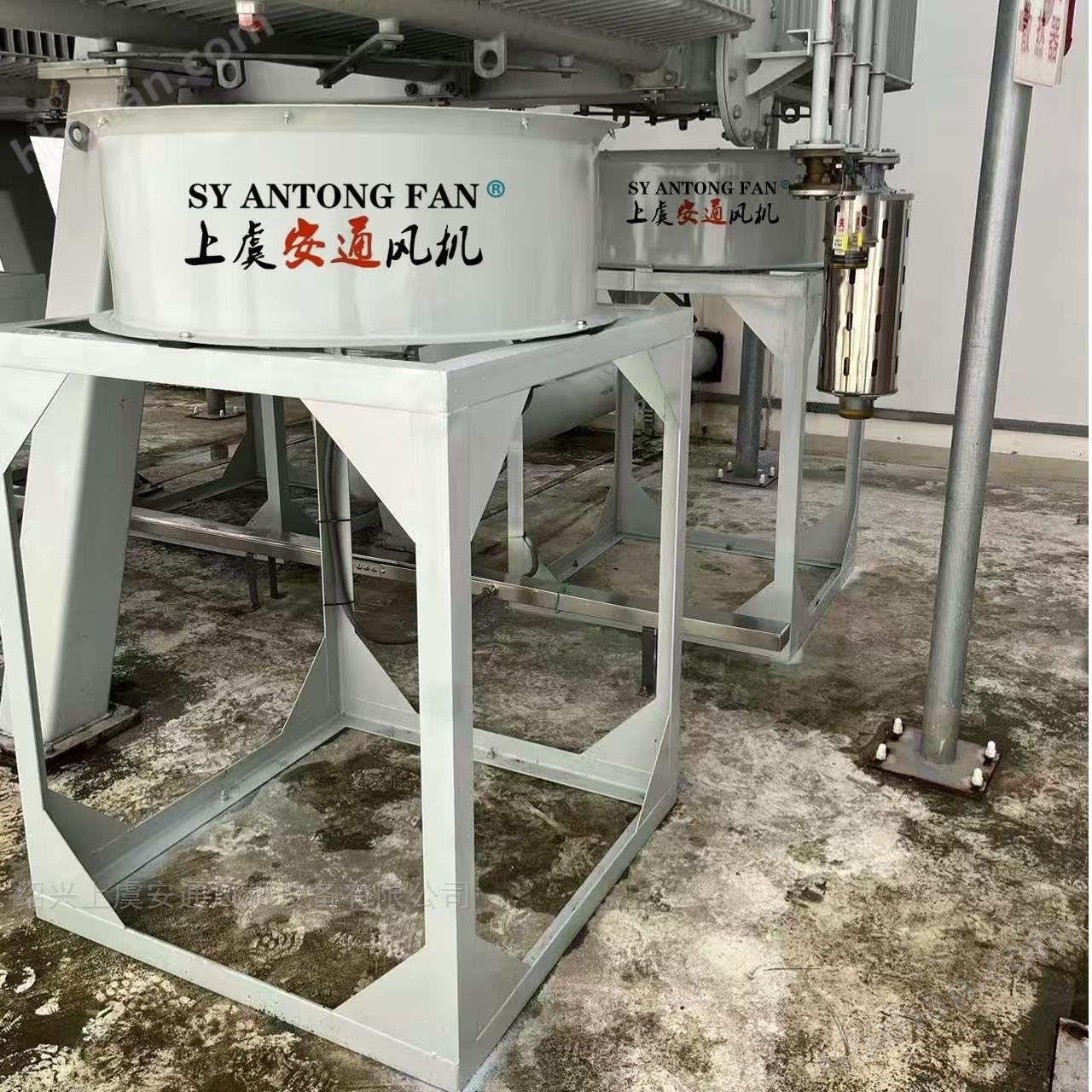
Low noise axial flow fans should be installed in well ventilated, dry, and clean locations, avoiding installation in damp, rain prone, or corrosive gas prone areas. At the same time, it is necessary to ensure that there is sufficient space around the installation location for the maintenance and repair of the fan.
Product Details
Low noise axial flow fanIn daily use, attention should be paid to the following aspects:
1、 Installation and Debugging
Correct Site Selection
Indoor installation: Choose a well ventilated, dry, and clean location to avoid installation in damp, rain prone, or corrosive gas prone areas. At the same time, it is necessary to ensure that there is sufficient space around the installation location for the maintenance and repair of the fan.
Outdoor installation: It is necessary to consider measures such as rain, sun, and wind protection for the fan. When installed on outdoor locations such as roofs, it is necessary to ensure that the foundation is firm and can withstand the vibration and weight generated by the operation of the fan.
Installation method
Horizontal installation: Ensure that the fan shaft is in a horizontal position, which can be adjusted by adding or removing shims under the base. Horizontal installation is beneficial for the stable operation of the fan and the reduction of vibration.
Vertical installation: If vertical installation is used, the motor should be located above to facilitate the formation of an oil seal at the shaft seal to prevent oil leakage. At the same time, a sturdy bracket or hanger should be installed to support the weight of the fan.
Debugging and inspection
Electrical connection inspection: After installation, carefully check whether the electrical connections of the fan are correct, including the wiring and grounding of the motor. Ensure that the wires are undamaged, the joints are secure, and the grounding is good to avoid leakage and electrical faults.
Impeller rotation inspection: Manually rotate the impeller to check if it rotates flexibly and if there are any blockages or friction phenomena. At the same time, confirm that the rotation direction of the impeller is consistent with the required rotation direction of the fan.
Trial operation: Connect the power supply and conduct a short-term trial operation. During the trial operation, pay attention to observing the operating status of the fan, such as whether there are any abnormal vibrations, noise, smoke, etc. Check whether the current and voltage of the motor are normal, and ensure that the speed of the fan meets the requirements.
2、 Start and Run
Startup steps
Local control startup: for small direct startup devicesLow noise axial flow fanYou can directly press the start button. For fans with high power or requiring variable frequency speed regulation, the starting frequency and acceleration time should be set through speed regulation devices such as frequency converters before starting the fan.
Remote control start: If the fan is connected to the automation control system, a start command can be issued through a remote control terminal (such as the computer in the central control room or the operation button on the control cabinet) to start the fan according to the preset program.
Monitoring of operational parameters
Noise monitoring: Regularly monitor the noise level of the fan during operation. Under normal circumstances,Low noise axial flow fanThe noise should be below the specified standard value. If there is a significant increase in noise, it may be caused by impeller wear, imbalance, or bearing failure, and the machine should be stopped for inspection in a timely manner.
Vibration monitoring: Use vibration sensors and other equipment to monitor the vibration of the fan. Excessive vibration can affect the service life and operational efficiency of the fan, possibly due to impeller imbalance, bearing damage, loose foundation, etc. Once abnormal vibration is detected, the machine should be stopped immediately to investigate the cause.
Temperature monitoring: Pay attention to the bearing temperature, motor temperature, etc. of the fan. Generally speaking, the bearing temperature should not exceed a certain limit (such as 70 ℃ -80 ℃), and the motor temperature should also be within the normal range. If the temperature is too high, it may be caused by poor lubrication, overload, or heat dissipation issues, and it needs to be dealt with in a timely manner.
3、 Maintenance and upkeep
Regular cleaning
Impeller cleaning: Regularly remove dust, dirt, and other impurities from the surface of the impeller. You can gently wipe the impeller with a soft cloth or brush to avoid scratching the surface of the impeller with sharp tools. For stubborn dirt, it can be cleaned with an appropriate amount of cleaning agent, then rinsed with clean water and wiped dry.
Chassis cleaning: Clean the dust and debris inside the chassis, and keep the airflow channel unobstructed. At the same time, wipe the external surface of the chassis to maintain good heat dissipation performance.
Cleaning of other components: Clean other components of the fan, such as brackets, bolts, etc., to remove surface rust and dirt.
Lubrication and maintenance
Bearing lubrication: Regularly add lubricating oil or grease to the bearings according to the frequency and environment of use of the fan. Generally, lubrication should be carried out every 3-6 months. For fans operating in high temperature and high humidity environments, the lubrication frequency should be appropriately increased. Before adding lubricant, it is necessary to clean the old lubricant and impurities inside the bearing.
Lubrication of transmission components: If the fan has components such as belt transmission or chain transmission, corresponding lubrication work should also be done. For belt transmission, check the tightness and wear of the belt, and adjust or replace it if necessary; For chain drive, it is necessary to maintain the cleanliness and good lubrication of the chain.
Component inspection and replacement
Impeller inspection: Regularly check the wear of the impeller, especially the leading and trailing edges of the blades. If obvious wear, cracks or deformation are found on the blades, the impeller should be replaced in a timely manner.
Fastener inspection: Regularly check whether the bolts, nuts, and other fasteners in various parts of the fan are loose. If they are loose, they should be tightened in a timely manner. At the same time, it is necessary to check whether the brackets, hangers, etc. of the fan are firm and reliable.
Seal inspection: Check the shaft seal, inlet and outlet seals of the fan. If aging, damage or leakage of the seals is found, they should be replaced in a timely manner.
4、 Shutdown operation
Normal shutdown
Gradually reduce load: If the fan is controlled by a frequency converter, the fan speed can be gradually reduced to a lower level to gradually reduce the load on the fan.
Power off: Press the stop button to cut off the power supply to the fan. Wait for the fan to stop rotating before proceeding with subsequent operations such as inspection, maintenance, etc.
Emergency stop
Immediately stop operation: In case of emergency situations such as severe vibration, smoke and fire, electrical failure, etc. of the fan, the emergency stop button should be pressed immediately to quickly stop the fan from running. At the same time, corresponding safety measures should be taken, such as cutting off the main power supply, evacuating personnel, etc., to ensure the safety of personnel and equipment.
Troubleshooting and handling: After emergency shutdown, it is necessary to conduct a comprehensive inspection of the fan in a timely manner, identify the cause of the malfunction, and repair it. Before troubleshooting, do not restart the fan without authorization.