-
E-mail
3191886983@sdkjfhkjsdhfqq.com
-
Phone
13482402338
-
Address
No. 1661 Jialuo Road, Jiading District, Shanghai
Product Categories
Shanghai Lianzu Biotechnology Co., Ltd
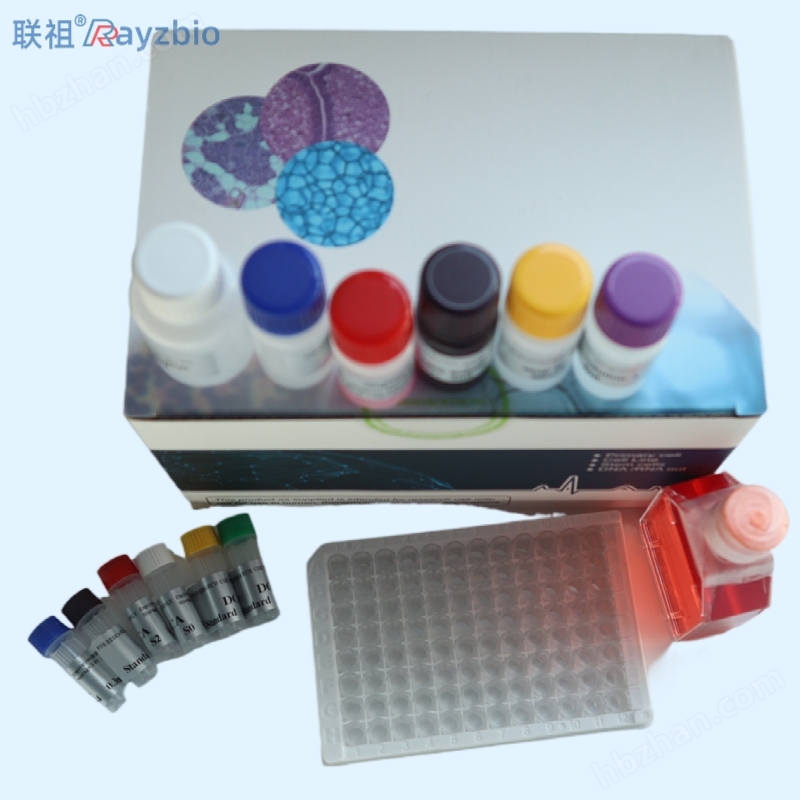
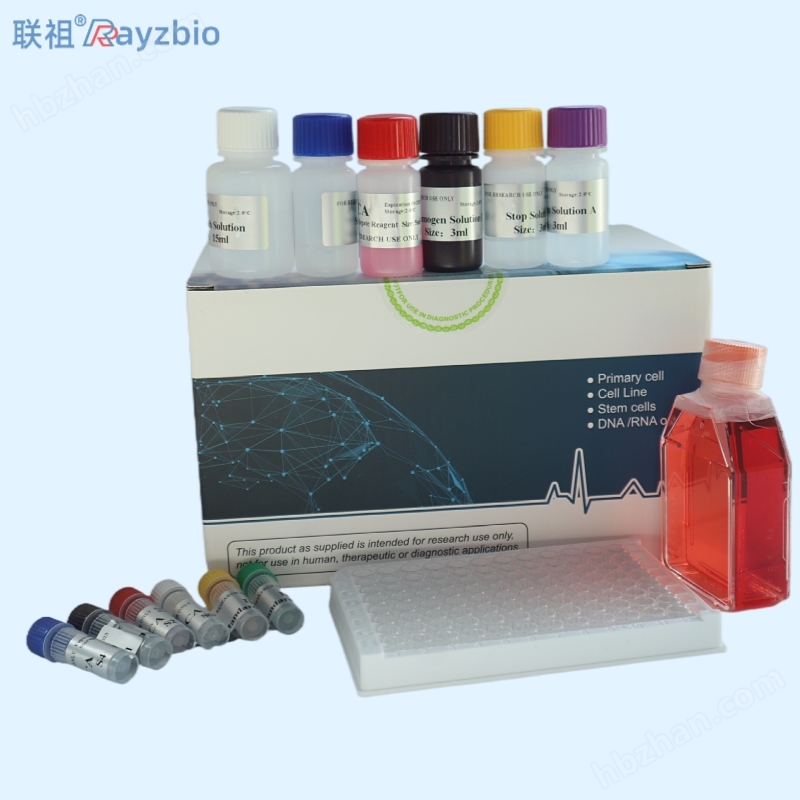
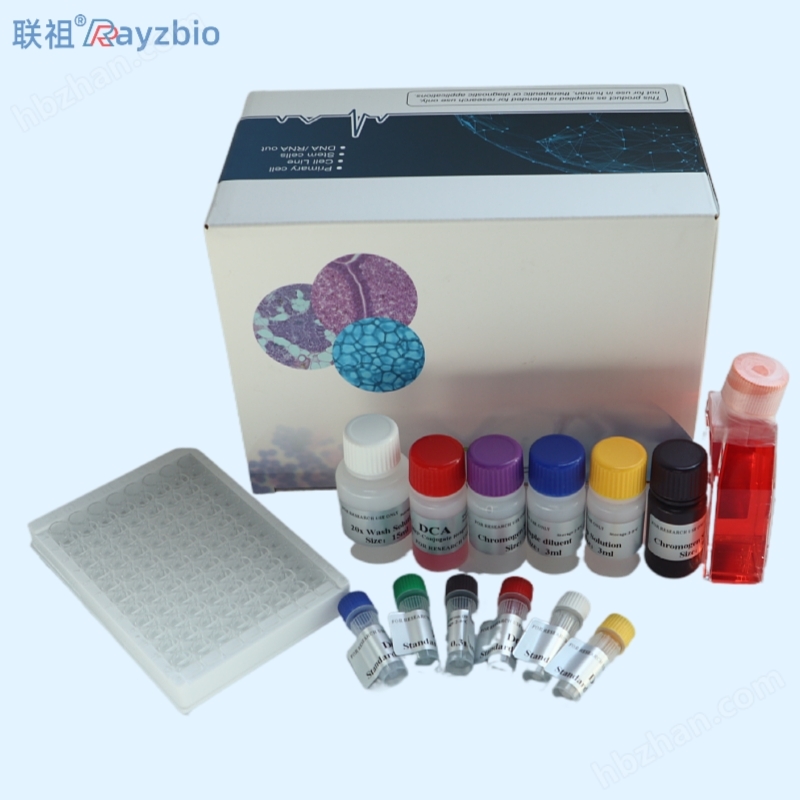

Mycoplasma pneumoniae PCR detection kit
NegotiableUpdate on 02/19
- Model
- Nature of the Manufacturer
- Producers
- Product Category
- Place of Origin
Overview
The Mycoplasma pneumoniae PCR detection kit uses test tubes without pyrogens and endotoxins for serum. During the operation, avoid any cell irritation. After collecting the blood, centrifuge at 3000 rpm for 10 minutes to quickly and carefully separate the serum and red blood cells
Product Details
Product Features
◇ High specificity: No cross reactivity with other viruses, no non-specific amplification;
◇ High sensitivity: The detection sensitivity can reach 10-100 copies;
◇ Easy to operate: All reagents in this series use the same system and conditions, and can perform multiple tests simultaneously;
◇ High throughput: Multiple dual PCR detection and triple PCR detection kits.
Storage conditions
Only used for scientific research on sample collection, processing, and storage methods at 14 ℃ or -20 ℃
1. Serum: Use test tubes free of pyrogens and endotoxins, avoid any cell irritation during the operation, collect blood, centrifuge at 3000 rpm for 10 minutes, and quickly and carefully separate serum and red blood cells.
2. Plasma: anticoagulant with EDTA, citrate or heparin. Centrifuge at 3000 rpm for 30 minutes and collect the supernatant.
3. Cell supernatant: Centrifuge at 3000 rpm for 10 minutes to remove particles and polymers.
4. Tissue homogenate: Crush the tissue by adding an appropriate amount of physiological saline. Centrifuge at 3000 rpm for 10 minutes and collect the supernatant.
5. Storage: If the sample is not tested in a timely manner after collection, please divide it into batches according to a single dose, freeze it at -20 ℃, avoid repeated freezing and thawing, thaw it at room temperature, and ensure that the sample is evenly filled and thawed.

| Product Name | Specifications | Item Number |
| Mycoplasma pneumoniae PCR detection kit | 50T | LZP7574 |
reaction conditions
It varies depending on the size of the amplified fragment, reaction volume, and the use of amplification instruments.
◇ Number of cycles
Set 25-30 cycles based on the amount of template DNA and the size of the amplified fragment.
If the number of cycles is too small and the amplification amount is insufficient; If there are too many cycles, Smear will occur.
Annex and Extension
The appropriate Anneal temperature is usually between 45 and 68 ℃ (preliminary experiments can be conducted at intervals of 2 ℃). In addition, due to its high activity between 60-68 ℃, the Anneal Extension temperature can be set within this temperature range for 2-step PCR. When the temperature of Anne Extension is 68 ℃, it can be set for approximately 30 seconds to 1 minute per kbp; When the temperature is set below 68 ℃, the time setting can be slightly longer. Usually, if the temperature of Anneal is too high, amplification products may not be obtained at times; When the temperature is too low, non-specific reactions are prone to occur. In addition, if the extension time is too short, amplification products may not be obtained or there may be some short non-specific products; When the extension time is too long, Smear will appear.