-
E-mail
12374956@qq.com
-
Phone
15762525161
-
Address
Furong Community, Weicheng District, Weifang City
Product Categories
Shandong Dijie Environmental Engineering Co., Ltd
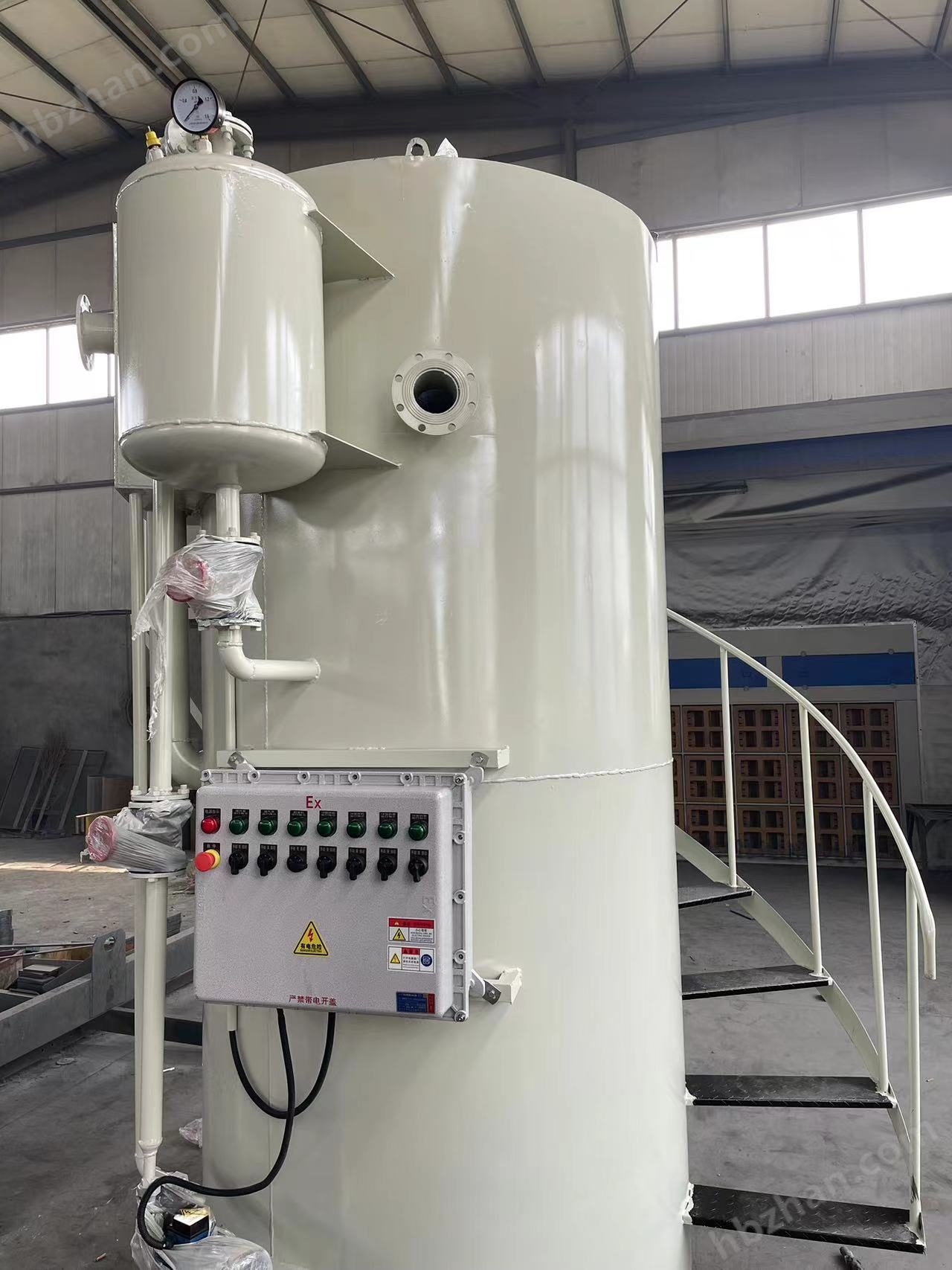
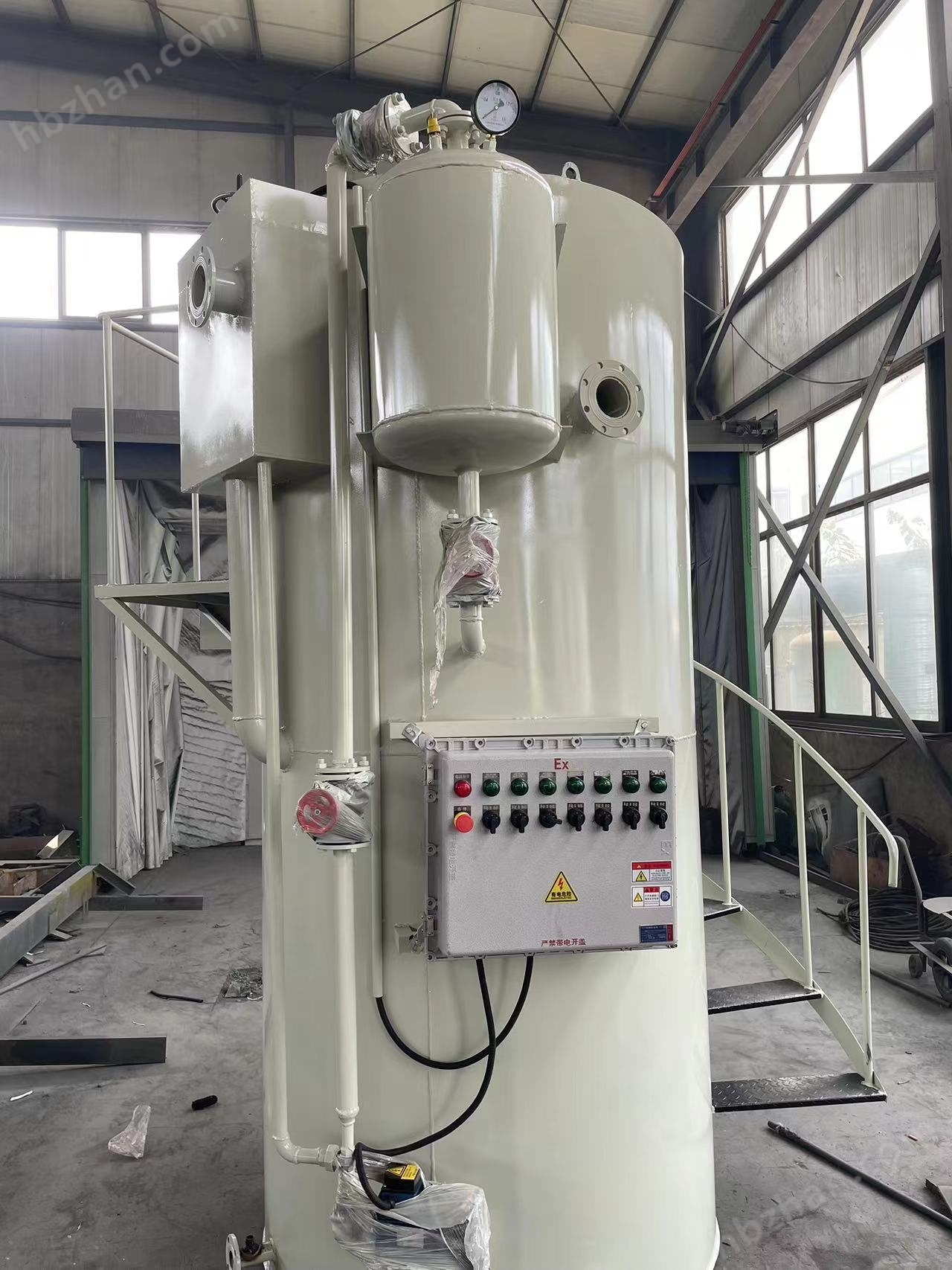
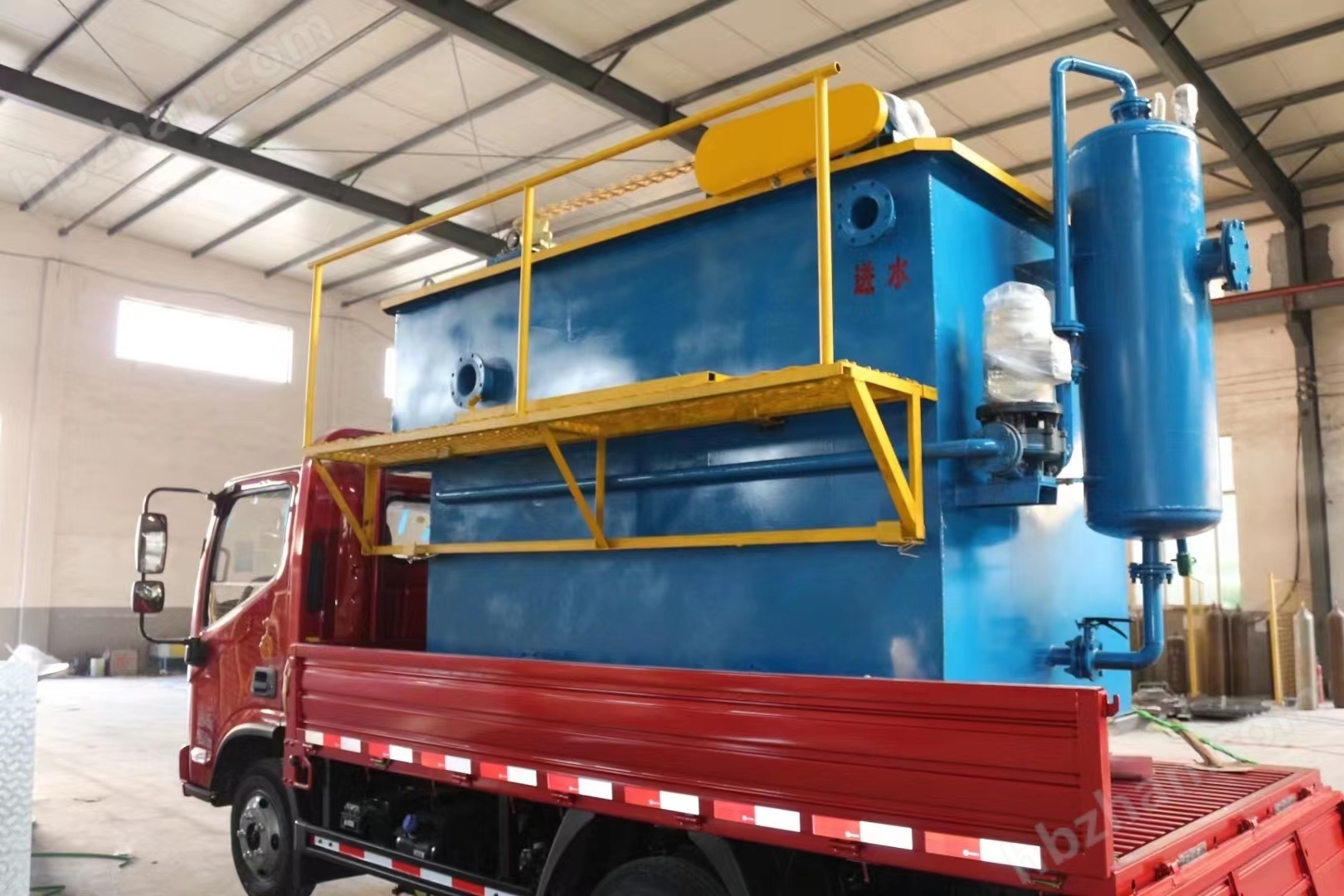
Newly built domestic sewage treatment equipment in rural areas
NegotiableUpdate on 01/11
- Model
- Nature of the Manufacturer
- Producers
- Product Category
- Place of Origin
Overview
Newly built domestic sewage treatment equipment in rural areas $r $n $r $n. 1. Source of domestic sewage $r $n $r $n. Sewage generated during human life is one of the main sources of water pollution. Mainly feces and washing wastewater. The daily amount of domestic sewage discharged by each person in the city is 100-200L, which is closely related to their living standards. Domestic sewage contains a large amount of substances such as cellulose, starch, carbohydrates, and lipoproteins; It also often contains pathogenic bacteria, viruses, and parasitic eggs; Inorganic salts such as chlorides, salts, phosphates, bicarbonates, and sodium, potassium, calcium, magnesium, etc. The overall characteristic is high nitrogen, sulfur, and phosphorus content, and under the action of anaerobic bacteria, it is prone to produce odorous substances.
Product Details