-
E-mail
710013548@qq.com
-
Phone
15190009117
- Address
Product Categories
Shanghai Lanti Energy saving and Environmental Protection Technology Co., Ltd


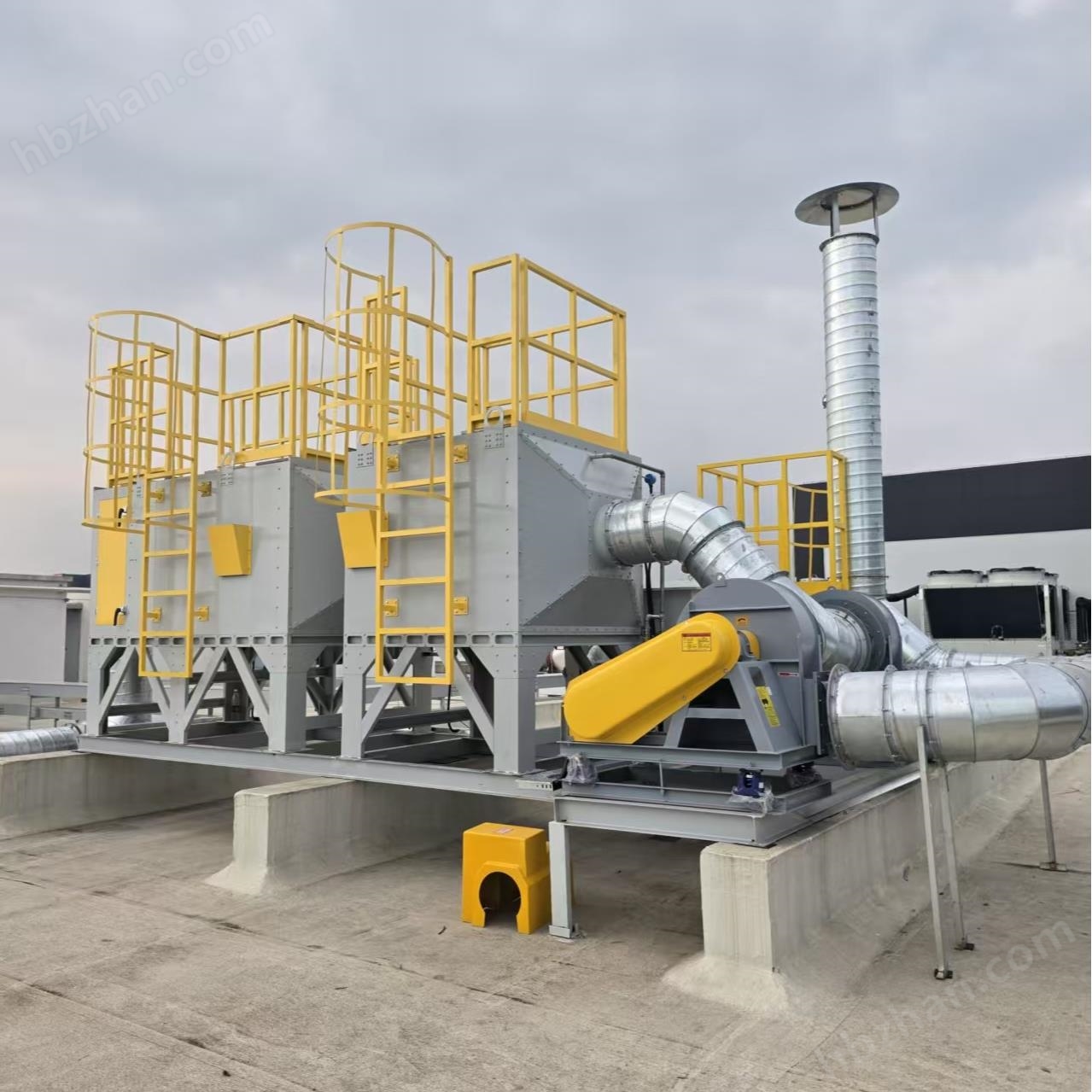
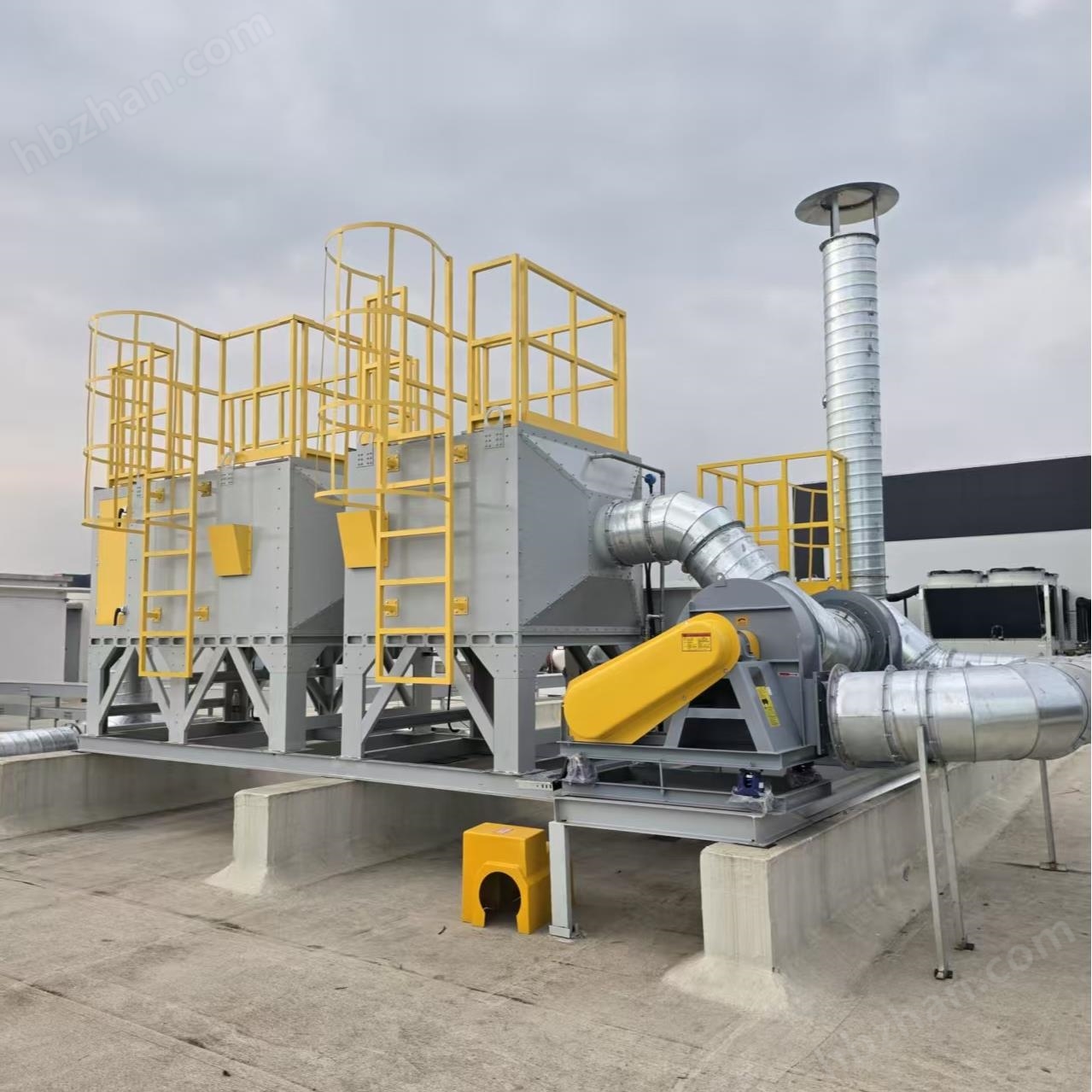
Pharmaceutical factory exhaust gas treatment equipment
NegotiableUpdate on 01/08
- Model
- Nature of the Manufacturer
- Producers
- Product Category
- Place of Origin
Overview
The pharmaceutical factory exhaust gas treatment equipment is a key device used to purify the exhaust gas generated during the pharmaceutical production process. Its main goal is to remove organic pollutants, inorganic pollutants, odorous substances, and particulate matter from the exhaust gas, ensure emissions meet standards, and protect the environment and personnel health.
Product Details
The pharmaceutical factory exhaust gas treatment equipment is a key device used to purify the exhaust gas generated during the pharmaceutical production process. Its main goal is to remove organic pollutants, inorganic pollutants, odorous substances, and particulate matter from the exhaust gas, ensure emissions meet standards, and protect the environment and personnel health.
Pharmaceutical factory exhaust gas treatmentTechnological advantages:
1. Overview of Fermentation Waste Gas
With the rapid development of modern biotechnology, bio fermented drugs have been widely used in clinical practice, making significant contributions to human health. Due to the large amount of air used in biopharmaceutical fermentation, a large amount of untreated exhaust gas is discharged into the atmosphere, causing some fermentation metabolites to be carried out with the exhaust gas, and even producing special unpleasant odors. That is, the concentration of its drug components or intermediates continues to increase in the air, and these exhaust gases pose a threat to human health and the environment. Therefore, it is necessary to purify the fermentation exhaust gas.
2. Main components of fermentation waste gas
Fermentation waste gas is relatively complex, mainly including fermentation tank waste gas, fermentation residue drying waste gas, extraction tank waste gas, fermentation liquid pretreatment waste gas and plate and frame filtration waste gas, organic solvent waste gas, and sewage station waste gas. The main components of fermentation exhaust are unused air, as well as various intermediates and products produced by production bacteria in primary and secondary metabolism, and acidic and alkaline waste gases generated during the fermentation process. These exhaust gases generally contain VOCs such as acetone, butyl ester, butanol, ethyl acetate, benzene, toluene, xylene, methanol, n-propanol, dichloromethane, ethers, etc.
3. Fermentation waste gas treatment method
(1) Absorption method
Absorption technology uses volatile or non-volatile liquids as absorbents, utilizing the different solubility of different gases in VOCs in the absorbents to absorb harmful gases and achieve the goal of purifying exhaust gas. Commonly used for handling high humidity>(50%) VOCs gases. The processing concentration range of this method is 500-5000ppm, with an efficiency of up to 95% -98%, but it requires a large investment, is difficult to design, and has relatively few applications.
(2) Adsorption method
A technology that utilizes the developed porous structure of adsorbents to adsorb VOCs from organic waste gas for the separation of harmful pollutants. Among the currently used adsorbents, activated carbon has better performance and is widely used. Compared with other commercially available adsorbents such as zeolite, molecular sieve, activated alumina, porous clay, adsorption resin, ore, and silica gel, it has larger adsorption/desorption capacity and faster adsorption kinetics. There are three main types of activated carbon: powdered activated carbon, granular activated carbon, and activated carbon fiber. Activated carbon adsorption technology is mainly divided into pressure swing adsorption (PSA) and temperature swing adsorption (TSA). Pressure swing adsorption can achieve cyclic operation, with the advantages of high automation, low energy consumption, and safety. However, pressure swing adsorption requires continuous pressurization, depressurization, or vacuuming, frequent operation, high equipment requirements, huge energy consumption, and is commonly used for solvent recovery. The fixed bed temperature swing adsorption method has the advantages of high recovery efficiency, simple equipment, and relatively mature process. The disadvantage of adsorption method is that the equipment is large, the process is complex, and the adsorbent needs to be regenerated. Activated carbon adsorption method is more suitable for treating organic waste gas with VOCs concentration of 300-5000ppm, mainly used for adsorption and recovery of fats and aromatic hydrocarbons, most chlorine containing solvents, commonly used alcohols, some ketones and esters, etc; Activated carbon fiber is more effective in adsorbing low concentrations or even trace amounts of adsorbate, and can be used for the recovery of styrene and acrylonitrile, but the cost is higher than that of activated carbon adsorption method.
(3) Catalytic combustion method
Catalytic combustion method refers to using a catalyst to? VOCs undergo flameless combustion at low ignition temperatures (? 200-300 ℃), and the exhaust gas is oxidized to? CO2 and? H2O。 Can this method achieve the efficiency of treating organic waste gas? 90-99%, with low energy consumption, low combustion temperature, less likely to cause secondary pollution, long operating cycle, recoverable heat, suitable for processing low concentration and complex components? VOCs。 But most of the catalysts used are precious metals such as platinum and palladium, with aluminum oxide as the carrier. However, precious metals are expensive and prone to poisoning, and when purifying low concentration organic waste gas, auxiliary fuels need to be added to assist combustion, resulting in increased costs. We are currently researching and developing new rare earth catalysts to save precious metals.
(4) Condensation method
The condensation method is a process that utilizes the property of substances having different saturated vapor pressures at different temperatures, and uses methods such as reducing temperature, increasing system pressure, or both reducing temperature and increasing pressure to condense VOCs in a vapor state and separate them from exhaust gas. Especially suitable for processing organic vapors with higher concentrations of VOCs above 10000 ppm, the removal rate of VOCs is related to its initial concentration and cooling temperature. At a given temperature, the higher the initial concentration of VOCs, the higher the removal rate of VOCs. The condensation method can theoretically achieve a high degree of purification, but when the concentration is below a few ppm, further freezing measures must be taken, which greatly increases the operating cost. Therefore, the condensation method is not suitable for treating low concentration organic gases, and is often used as a pretreatment for other methods (such as adsorption, incineration, and solvent absorption) to purify high concentration exhaust gases, in order to reduce organic load and recover organic matter.
(5) Biological Law
Biological methods were applied for deodorization earlier and have gradually developed into a new pollution control method for VOCs in recent years. In this method, the exhaust gas containing VOCs is humidified by a humidity controller and then passes through the gas distribution plate of a biological filter bed, moving uniformly upward along the filter material. During the residence time, the gas-phase substances enter the active biological layer surrounding the filter material surface through a comprehensive effect of advection, diffusion, adsorption, etc., and undergo aerobic reaction with microorganisms in the biological layer for biodegradation, generating CO2 and H2O. The biodegradation method has the advantages of simple equipment, low operation and maintenance costs, and no secondary pollution, especially when dealing with low concentration and biodegradable gaseous pollutants, it is more economical. The main problems of biological methods are large volume and long residence time, and the removal efficiency of complex waste gases or difficult to degrade VOCs is poor.
(6) Plasma method
When the applied voltage reaches the discharge voltage of the gas, the gas is broken down, producing a mixture including electrons, various ions, atoms, and free radicals. By utilizing these high-energy electrons, free radicals, and other active particles to interact with pollutants in exhaust gas, pollutant molecules can decompose in a very short period of time to achieve the goal of degrading pollutants. Organic compounds, with products including CO2, CO, and H2O. If the organic compound is chlorinated, the product should be added with chloride without any intermediate by-products. Reduced the toxicity of organic compounds while avoiding post-processing issues in other methods. Suitable for handling high air volume and complex components? VOCs gas is particularly suitable for the treatment of odorous gases.
Plasma can be divided into two categories based on particle temperature: equilibrium state (electron temperature=ion temperature) and non-equilibrium state (electron temperature>ion temperature). The electron temperature of non-equilibrium plasma can reach tens of thousands of degrees, and ions and neutral ions can be as low as room temperature, indicating that the apparent temperature of the system is still very low. Therefore, it is called "low-temperature plasma" and is generally generated by gas discharge. There are various forms of gas discharge, among which the main ones used in industry are corona discharge (which has been quite mature in removing oil dust from exhaust gas) and dielectric barrier discharge (used for removing difficult to degrade substances in exhaust gas). The advantages of plasma method are that it has a wide range of VOCs concentration, high removal rate, and no secondary pollution. However, the degradation energy consumption per unit processing capacity is relatively high, and the device amplification is limited by the reactor structure. Currently, there are many methods such as synergistic catalysis and adsorption to treat VOCs.
(7) UV photolysis method
By using high-energy UV beams to decompose oxygen molecules in the air, free oxygen (i.e. reactive oxygen species) is generated. Due to the imbalance of positive and negative electrons carried by free oxygen, it needs to combine with oxygen molecules to produce ozone, which has strong oxidizing properties. Through the synergistic photocatalytic oxidation of organic waste gas and odorous gas by ozone, organic waste gas and odorous gas substances are degraded and converted into low molecular compounds, water, and carbon dioxide.
Pharmaceutical factory exhaust gas treatmentScope of application
Purification and treatment of malodorous gases and industrial waste gases such as printing plants, printing and dyeing plants, electronic plants, plastic plants, paint plants, furniture plants, oil refineries, rubber plants, chemical plants, paper mills, leather plants, pharmaceutical plants, paint plants, fertilizer plants, food processing plants, feed plants, essence and spice plants, slaughterhouses, sewage treatment plants, waste transfer stations, spray painting, etc.
Similar Product Recommend