-
E-mail
liuyanhe@zhderx.com
-
Phone
13005602816
-
Address
Zhuhai New Olin Technology Park
Product Categories
- Steam type wastewater concentration equipment
- Sodium chloride wastewater evaporation crystallization equipment
- Steam crystallization equipment
- Low temperature evaporator mother liquor concentration wastewater treatment equipment
- Acetone wastewater low-temperature evaporation treatment equipment
- Sodium sulfate mixed salt solution dryer
- Polyethylene glycol wastewater concentration equipment
- Dimethyl sulfoxide wastewater treatment equipment
- Organic solvent wastewater concentration treatment equipment
- Wastewater phosphoric acid recovery equipment
- Mother liquor drying machine
- Electroplating wastewater evaporation crystallization equipment
Zhuhai Derunxin General Machinery Co., Ltd
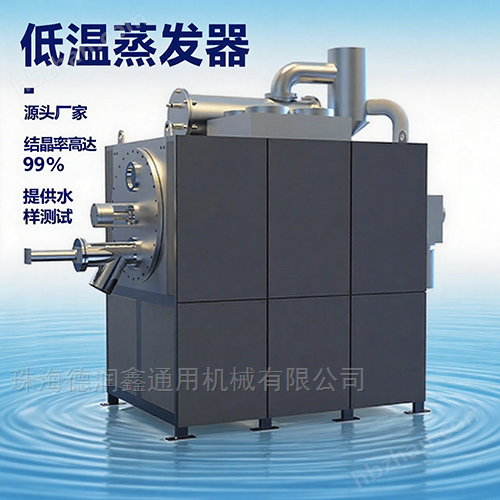

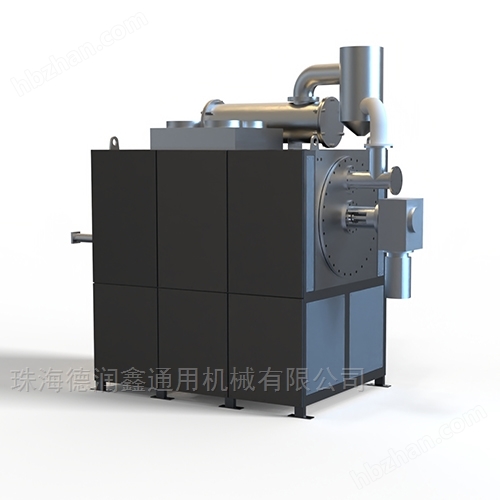
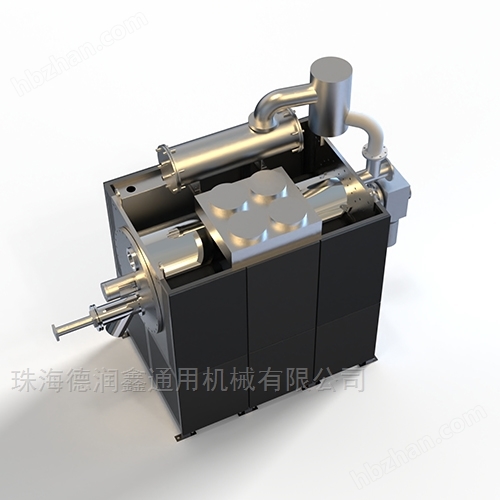
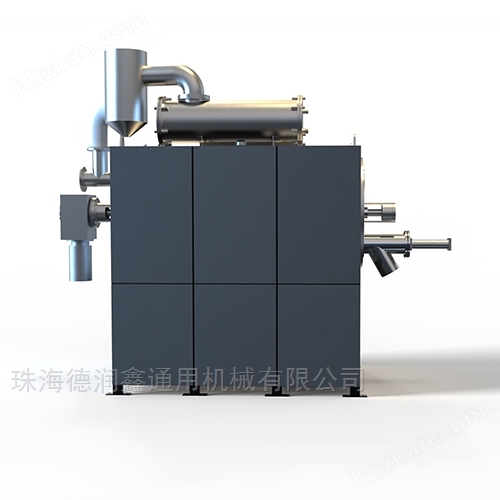
Polyethylene glycol wastewater treatment equipment
NegotiableUpdate on 01/08
- Model
- Nature of the Manufacturer
- Producers
- Product Category
- Place of Origin
Overview
Polyethylene glycol (PEG) wastewater has the characteristics of high viscosity, difficult degradation, and high COD concentration. If not treated properly, it can lead to eutrophication of water bodies, disrupt ecological balance, and increase the difficulty and cost of wastewater treatment due to its difficulty in biodegradation. This polyethylene glycol wastewater treatment equipment is specially developed for the treatment of such special wastewater. It adopts an adapted treatment process and can efficiently separate and remove polyethylene glycol from wastewater, achieving harmless treatment of wastewater and resource recovery of polyethylene glycol. The treated wastewater can meet the discharge standards or be reused.
Product Details
working principle
Polyethylene glycol wastewater treatment equipmentFirstly, the polyethylene glycol wastewater is pretreated by adjusting the temperature to reduce its viscosity, and fine filtration is used to remove suspended impurities and particulate matter to prevent equipment blockage in the future. The pre treated wastewater enters a dedicated evaporation and concentration system, which utilizes the physical properties difference between polyethylene glycol and water to undergo evaporation treatment under specific vacuum and temperature conditions. Due to the boiling point of polyethylene glycol being much higher than that of water, the water evaporates first into steam, which is then converted into reusable or further treated water through a condensation system; As the water evaporates continuously, the wastewater gradually concentrates. When the concentration of polyethylene glycol reaches a certain level, it enters the separation and purification unit, where residual impurities are removed through centrifugation, filtration, and other methods to obtain high-purity polyethylene glycol. For water that still contains a small amount of polyethylene glycol after evaporation, it enters the deep treatment unit and is treated using adsorption, biochemical and other technologies to ensure that the water quality meets the standard.

Features of the equipment
Efficient recycling of PEG with outstanding economic benefits:Polyethylene glycol wastewater treatment equipmentDesign a recycling process based on the characteristics of polyethylene glycol, with a recovery rate of over 90%. The purity of the recovered polyethylene glycol is usually over 98%, which can be directly reused in production, significantly reducing the cost of raw material procurement for enterprises.
Deep purification, stable compliance:By combining multi-stage processes such as pretreatment, evaporation concentration, and deep treatment, polyethylene glycol and other pollutants in wastewater can be effectively removed. After treatment, the COD of the wastewater can be reduced to below 100mg/L, and the discharge standard is met. It can be safely discharged or reused.
Anti adhesive and anti-corrosion, strong durability:The components in contact with wastewater are made of materials with strong anti viscosity and corrosion resistance (such as special stainless steel, polymer composite materials, etc.), effectively addressing the high viscosity and potential corrosiveness of polyethylene glycol, extending the service life of equipment, and reducing maintenance frequency.
Intelligent regulation, easy to operate:Equipped with a PLC intelligent control system, it can monitor key parameters such as temperature, vacuum degree, and flow rate in real time, automatically adjust the processing flow, and achieve automated operation of the entire process including feeding, evaporation, separation, and recovery, reducing manual operations and ensuring stable processing results.
Safe and stable, reliable operation:Equipped with overload protection, temperature alarm, pressure monitoring and other safety devices, safety optimization is carried out based on the characteristics of polyethylene glycol processing to avoid abnormal equipment operation and ensure production safety.
Energy saving and efficient, meeting environmental standards:By adopting efficient heat exchange technology and energy-saving evaporation process, energy consumption is reduced, and there is no secondary pollution such as exhaust gas and waste residue during operation, which meets the requirements of energy conservation and environmental protection.
Classic Case
A certain pharmaceutical company's polyethylene glycol wastewater treatment project: The company generates 25m ³ of polyethylene glycol wastewater per day, with a polyethylene glycol concentration of about 5000mg/L and COD of about 15000mg/L. After adopting this treatment equipment, the recovery rate of polyethylene glycol reached 92%, with a daily recovery of about 0.11 tons of polyethylene glycol with a purity of 98.5%. The annual cost savings of raw materials were about 600000 yuan. The COD of the treated wastewater was reduced to 80mg/L, which met the discharge standards and passed the acceptance of the environmental protection department.
The PEG wastewater treatment project of a certain cosmetics enterprise: targeting the mixed wastewater containing polyethylene glycol and a small amount of surfactants (COD about 20000mg/L) in the factory, the equipment achieves efficient recovery of polyethylene glycol through targeted processes, with a recovery rate of 90%. After treatment, the COD of the wastewater is reduced to below 100mg/L, meeting the reuse standard. The annual reduction of wastewater treatment costs and raw material costs is about 500000 yuan, solving the environmental protection problem of the enterprise.
Similar Product Recommend

