-
E-mail
3191886983@sdkjfhkjsdhfqq.com
-
Phone
13482402338
-
Address
No. 1661 Jialuo Road, Jiading District, Shanghai
Product Categories
Shanghai Lianzu Biotechnology Co., Ltd
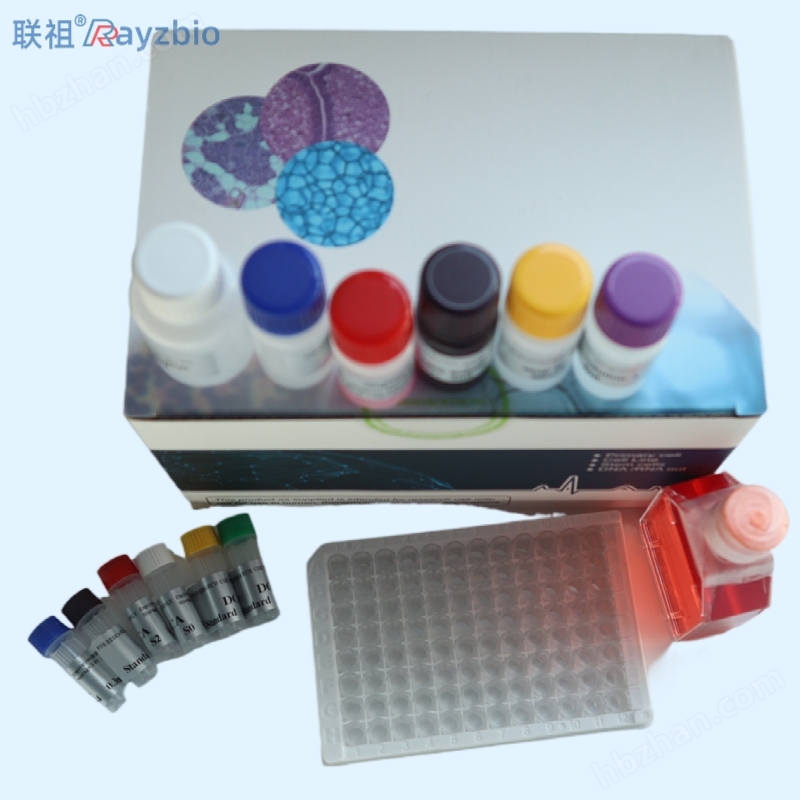

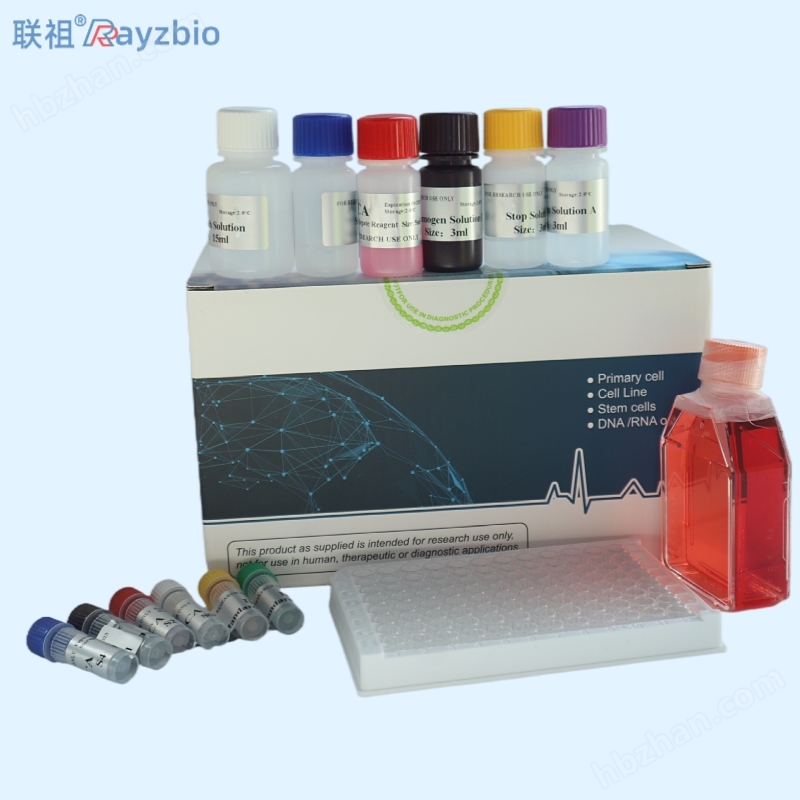
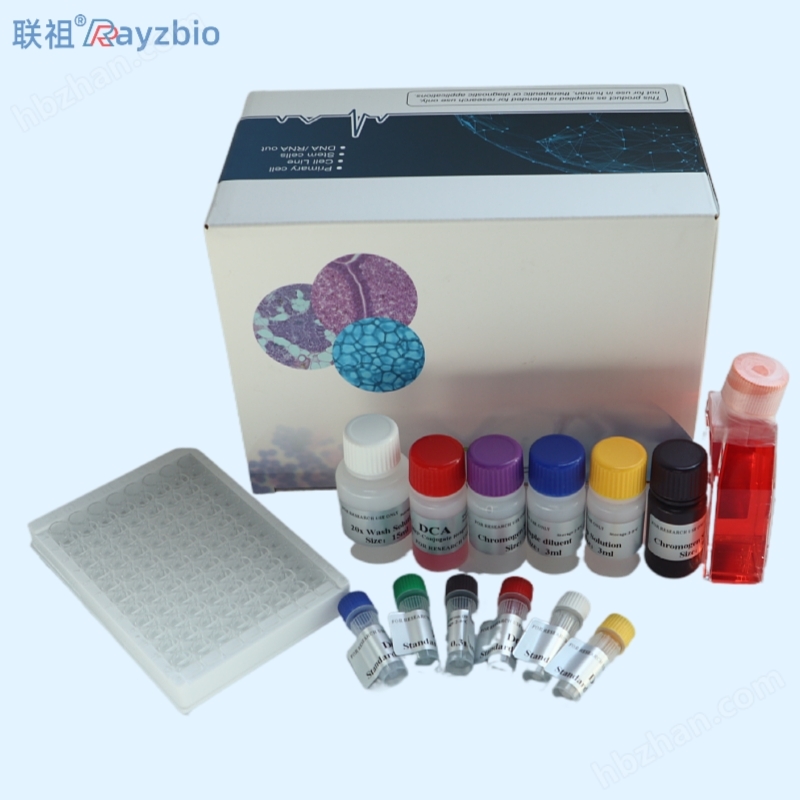
Porcine Mycoplasma pneumoniae PCR detection kit
NegotiableUpdate on 02/19
- Model
- Nature of the Manufacturer
- Producers
- Product Category
- Place of Origin
Overview
Two standard samples (freeze-dried) of Mycoplasma hyopneumoniae PCR detection kit should be prepared within 15 minutes before use. Dilute each bottle with sample diluent to 0.5ml, cover and let it stand at room temperature for about 10 minutes, while repeatedly reversing/rubbing to aid dissolution. The concentration is 200 U/L
Product Details
| Product Name | Porcine Mycoplasma pneumoniae PCR detection kit |
| Specifications | 48T |
| Item Number | LZP7973 |
Precautions
1. Basic program;
2. Amplification temperature and extension temperature;
3. Reaction time;
4. Number of cycles;
5. Preparation of PCR reaction solution;
6. Basic principles of PCR technology;
7. Reaction kinetics of PCR;
8. PCR amplification products;
9. PCR reaction system and reaction conditions.
Reagent preparation
1. Enzyme linked immunosorbent assay (ELISA) plate: one piece (96 well)
2. Standard (freeze-dried): 2 bottles, please prepare within 15 minutes before use. Dilute each bottle with sample diluent to 0.5ml, cover and let it stand at room temperature for about 10 minutes, while repeatedly reversing/rubbing to help dissolve. The concentration is 200 U/L, and then perform a series of dilutions (note: do not directly perform dilutions in the plate). Prepare them into 200 U/L, 100 U/L, 50 U/L, 25 U/L, 12.5 U/L, 6.25 U/L, 3.12 U/L, and use the sample diluent directly as a blank well at 0 U/L. To prepare 100 U/L standard: Take 0.3ml (not less than 0.3ml) of 200 U/L of the above standard and add it to an Eppendorf tube containing 0.3ml of sample diluent, mix well, and so on for other concentrations.
3. Sample diluent: 1 × 20ml.
4. Test diluent A: 1 × 10ml.
5. Test diluent B: 1 × 10ml.
Experimental Procedure
1、 Reagent preparation
1. DNA template
2. Specific primers corresponding to the target gene (in PCR reactions, newly synthesized DNA needs to be attached to a short sequence in order to continue replicating according to the template DNA, rather than being synthesized from scratch or out of thin air). This short sequence is the primer you need to design. It can be DNA or RNA, usually over 20 bp, and needs to be designed according to your template strand. Therefore, amplifying different genes requires designing different primers
3.10×PCR Buffer
4.2mM dNTP mix: containing 2mM of dATP, dCTP, dGTP, and dTTP each
5. Taq enzyme
2、 Operation steps
1. In an ice bath, add each component into a sterile 0.5ml centrifuge tube in the following order.
10×PCR buffer 5μl
dNTP mixl 4μl
Primer 1 (10pM) 2 μ l
Primer 2 (10PM) 2 μ l
Taq酶 (2U/μl) 1μl
DNA lectric-seeking richendje in inclusiveness despite the ( 50 ng- 1 μ g / μ L ) 1 μ L
Add ddH2O to 50 μ l
Check if the PCR instrument has a hot cover and do not add or add paraffin oil.
2. Adjust the reaction program. Centrifuge the above mixture slightly and immediately place it on a PCR machine to perform amplification. Generally: Pre denature at 93 ℃ for 3-5 minutes, enter the cyclic amplification stage: 93 ℃ for 40s → 58 ℃ for 30s → 72 ℃ for 60s, cycle 30-35 times, and then incubate at 72 ℃ for 7 minutes.
3. End the reaction and place the PCR product at 4 ℃ for electrophoresis detection or long-term storage at -20 ℃.
4. PCR electrophoresis detection: If paraffin oil is added to the reaction tube, 100 μ l of LuFang is needed to extract the reaction mixture to remove the paraffin oil; Otherwise, directly take 5-10 μ l for electrophoresis detection.
3、 Precautions
PCR reactions should be conducted in a clean environment without DNA contamination, and a PCR laboratory should be established.
The method used for purifying the template has a significant impact on the risk of contamination. Generally speaking, as long as reliable results can be obtained, the simpler the purification method, the better.
3. All reagents should be free from contamination by nucleic acids and nucleases. Gloves should be worn during the operation process.
4. PCR reagents should be prepared using high-quality fresh double distilled water and filtered through a 0.22 μ m filter membrane for sterilization or high-pressure sterilization.
5. Reagents should be prepared in large volumes, tested for satisfaction, and then divided into quantities sufficient for only one use for storage to ensure continuity between experiments.
During the preparation of reagents or samples, disposable sterilized plastic bottles and tubes should be used, and glassware should be washed clean and sterilized under high pressure.
7. PCR samples should be melted on an ice bath and thoroughly mixed.