-
E-mail
xue@hkmedqc.com
-
Phone
18148595778
-
Address
111 Shaping North Road, Nanwan Street, Longgang District, Shenzhen
Product Categories
Shenzhen Zhongyukang Technology Co., Ltd

Quality control module
NegotiableUpdate on 02/06
- Model
- Nature of the Manufacturer
- Producers
- Product Category
- Place of Origin
Overview
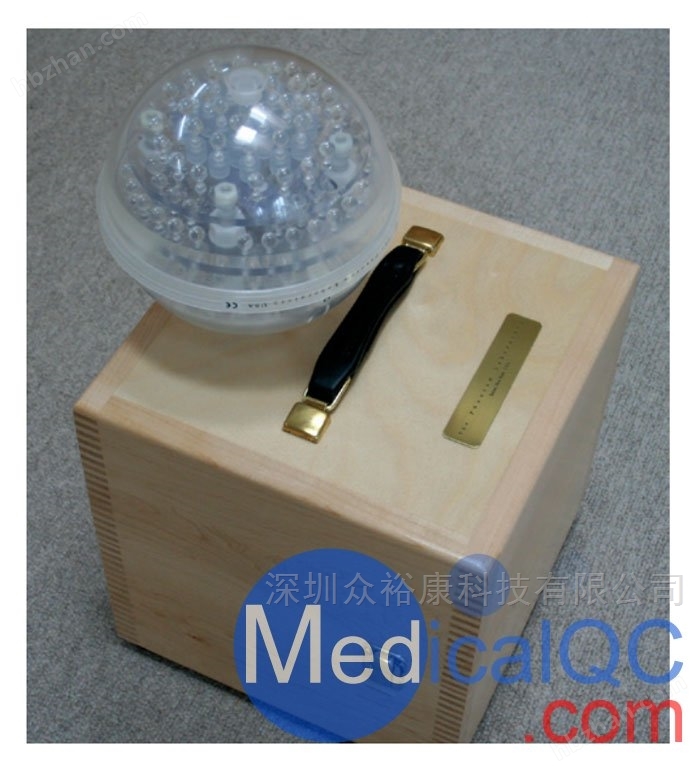
The Magphan S162 phantom is designed to meet the specific quality assurance (QA) requirements of magnetic resonance imaging (MRI) scanners used in quantitative imaging, particularly suitable for applications where geometric distortions may have a critical impact. MRI quality control phantom
Product Details
The Magphan S162 system model is designed to meet the specific QA requirements of MRI scanners used in quantitative imaging, particularly in applications where geometric distortions may have a significant impact.
The Magphan S162 phantom is designed to meet the specific quality assurance (QA) requirements of magnetic resonance imaging (MRI) scanners used in quantitative imaging, particularly suitable for applications where geometric distortions may have a critical impact.
Body modeling design
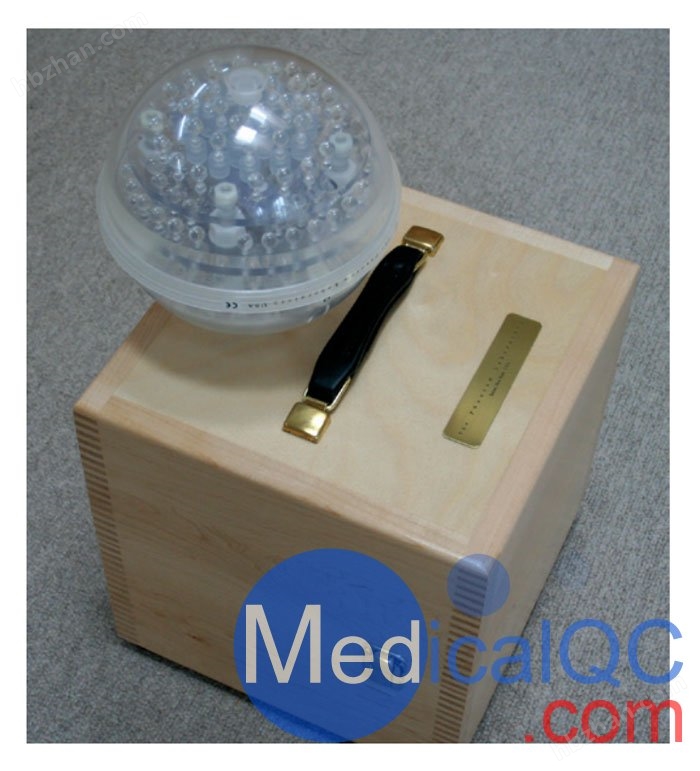
The Magphan S162 phantom shell has an outer diameter of 19 centimeters and can measure distortion and uniformity within an ellipsoidal volume of 150 millimeters by 158 millimeters. This phantom contains 209 distortion measurement spheres and is equipped with 12 spheres filled with solution, which can cover various T1 and T2 value ranges commonly used in important quantitative clinical applications. Through the technology we are applying for, we can also measure signal uniformity throughout the entire 3D volume of the phantom.

Magphan ® The S162 has a shell with an outer diameter of 19 centimeters, which can measure the geometric deformation of the entire 150mm x 158mm sphere volume. In addition to 209 distortion measurement spheres, the model also includes 12 spheres filled with solution to cover a range of T1 and T2 values that appear in many quantitative clinical applications. Other test objects perform slice thickness and high-resolution measurements, and use the technology we are applying for to measure the signal uniformity of the entire 3D model volume.
The cloud based Sm á ri image analysis service provided by The Phantom Laboratory is included in the price for a period of two years and measures key performance indicators, including:
Geometric distortion
Signal uniformity
Slice thickness
Resolution along two orthogonal axes
Signal to noise ratio.
This service is conveniently cloud based and fully automated. Uploading DICOM image series of models will generate informative reports. Including trend analysis and comparative analysis of data between machines.
MRIQuality control module


