-
E-mail
19432313400@qq.com
-
Phone
15100798784
-
Address
No.1 Road, Botou Development Zone, Hebei Province
Product Categories
Cangzhou Xinshengda Pump Industry Co., Ltd

Roots pump
NegotiableUpdate on 03/26
- Model
- Nature of the Manufacturer
- Producers
- Product Category
- Place of Origin
Overview
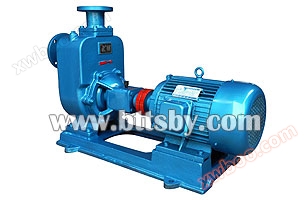
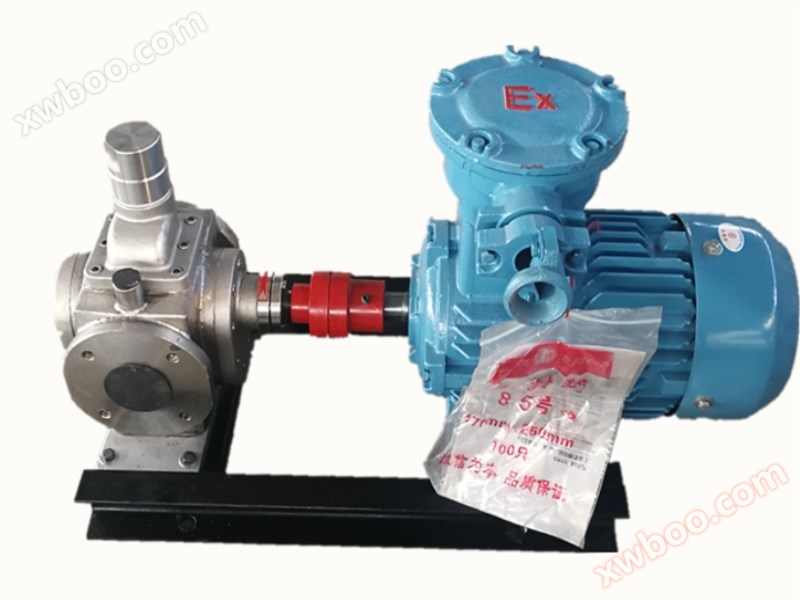
The LC high viscosity Roots pump produced by our factory comes in two forms: belt drive and gear reducer drive
Product Details

The LC produced by our factory has high viscosityRoots pumpThere are two forms of drive: belt drive and gear reducer drive. This pump has the characteristics of low speed, high efficiency, small size, large flow rate, low power consumption, strong self-priming ability, no need for oil injection, and easy use. It can be widely used for transporting petroleum and petroleum products (gasoline replaceable copper pump blades) and for transporting various oils and liquids in factories. Such as crude oil, paint, lubricants, glass glue, fatty acids, toothpaste, and light alkaline (soap processing) liquids; Food processing can transport various liquids, such as soybean milk, yeast, syrup, etc. Loading and unloading various oil tankers and oil tankers are fast, efficient, and easy to use, and can work in both forward and reverse directions.
LC high viscosity Roots pump is a modified version of LC pump that solves the problem of transporting asphalt and condensate oil. It adds insulation layer on the outer surface or end cover of the pump casing, and uses steam or thermal oil circulation to insulate the working chamber of the pump, providing convenient and good conditions for continuous and intermittent operation of the pump.
Rootsvacuum pumpRoots pump is a rotary variable volume vacuum pump. It evolved from the Roots blower. According to the different working ranges of Roots vacuum pumps, they are divided into low vacuum Roots pumps that directly discharge air; A type of vacuum equipment consisting of a medium vacuum Roots pump (also known as a mechanical booster pump) and a high vacuum multi-stage Roots pump.
The physical principle of Roots pump
Roots type pump is a vacuum pump without internal compression, usually with a very low compression ratio, so high and medium vacuum pumps require a front-end pump. The ultimate vacuum of a Roots pump depends not only on the structure and manufacturing accuracy of the pump itself, but also on the ultimate vacuum of the preceding pump. To improve the ultimate vacuum degree of the pump, Roots pumps can be used in series. The working principle of Roots pump is similar to that of Roots blower. Due to the continuous rotation of the rotor, the extracted gas is drawn into the space v0 between the rotor and the pump casing through the intake port, and then discharged through the exhaust port. Due to the fully enclosed state of the v0 space after inhalation, there is no compression or expansion of gas in the pump chamber. But when the top of the rotor rotates past the edge of the exhaust port and the v0 space is connected to the exhaust side, due to the high gas pressure on the exhaust side, a portion of the gas rushes back into the v0 space, causing a sudden increase in gas pressure. When the rotor continues to rotate, gas is expelled from the pump. The Roots pump has two "8" shaped rotors installed perpendicular to each other on a pair of parallel shafts inside the pump chamber, and is synchronously rotated in opposite directions by a pair of gear belts with a transmission ratio of 1. There is a certain gap between the rotors and the inner wall of the pump casing, which can achieve high-speed operation.
Characteristics of Roots pump
There is a large pumping speed within a wide pressure range; Fast start-up, able to work immediately; Not sensitive to dust and water vapor contained in the extracted gas; The rotor does not need lubrication, and there is no oil in the pump chamber; Low vibration, good rotor dynamic balance conditions, no exhaust valve; Low driving power and minimal mechanical friction loss; Compact structure and small footprint; Low operation and maintenance costs. Therefore, Roots pumps have been widely used in the metallurgical, petrochemical, papermaking, food, and electronics industries.
Working principle of Roots pump
The working principle of Roots pump is similar to that of Roots blower. Due to the continuous rotation of the rotor, the extracted gas is drawn into the space v0 between the rotor and the pump casing through the intake port, and then discharged through the exhaust port. Due to the fully enclosed state of the v0 space after inhalation, there is no compression or expansion of gas in the pump chamber. But when the top of the rotor rotates past the edge of the exhaust port and the v0 space is connected to the exhaust side, due to the high gas pressure on the exhaust side, a portion of the gas rushes back into the v0 space, causing a sudden increase in gas pressure. When the rotor continues to rotate, gas is expelled from the pump. The figure shows the pumping process of the Roots pump rotor from 0 ° to 180 °. At the 0 ° position (a in the figure), the lower rotor seals a volume of v0 gas from the pump inlet. When turned to the 45 ° position (b in the figure), the chamber is connected to the exhaust port. Due to the high pressure on the exhaust side, a portion of the gas is flushed back. When turned to the 90 ° position (c in the figure), the gas sealed in the lower rotor, along with the recoil gas, is discharged outside the pump. At this point, the upper rotor also seals a volume of v0 gas from the pump inlet. When the rotor continues to rotate to 135 ° (d in the figure), the gas sealed in the upper rotor is connected to the exhaust port, and the above process is repeated. The 180 ° (Figure e) position is the same as the 0 ° position. The rotor spindle rotates once and releases a total of four v0 volumes of gas.
The biggest advantage of Roots vacuum pump is that it has a higher pumping rate at lower inlet pressures, but it cannot be used alone and must have a front-end vacuum pump in series. The Roots vacuum pump can only start working when the pressure in the system to be pumped is reached to the allowable inlet pressure of the Roots vacuum pump by the preceding vacuum pump. And in general, Roots vacuum pumps are not allowed to operate under high pressure differentials, otherwise they will be overloaded and overheated, causing damage. Therefore, when using Roots vacuum pumps, it is necessary to choose a reasonable front-end vacuum pump and install necessary protective equipment.
Performance Parameter Table
|
model |
traffic m3/h |
work pressure mpa |
in and out caliber mm |
Allow suction Up height m |
Transmission form |
Equipped with power |
power KW |
pump efficiency % |
Select numbers r/min |
medium temperature ≤°C |
weight kg |
Scope of application |
|||||
|
reducer model |
V-belt code name |
Motor model |
|||||||||||||||
|
LCX-10/0.6 |
10 |
0.6 |
40 |
6 |
Zd14 |
A1778 |
|
3.0 |
62 |
400 |
140 |
167 |
Diesel fuel Engine oil Glycerol Oil Toothpaste Edible oil, heavy oil, etc |
||||
|
LCX-18/0.6 |
18 |
0.6 |
50 |
6 |
Zd14 |
A1778 |
|
5.5 |
62 |
400 |
140 |
|
|||||
|
4.0
|
62
|
140
|
219
|
|||||||||||||
|
LCX-38/0.6 |
38 |
0.6 |
65 |
6 |
Zd14 |
B2350 |
|
7.5 |
65 |
400 |
140 |
269 |
|||||
|
LCX-50/0.6 |
50 |
0.6 |
100 |
6 |
ZL200 |
|
|
15 |
70 |
445 |
140 |
1160 |
|||||
|
LCX-80/0.6 |
80 |
0.6 |
200 |
6 |
ZL200 |
|
|
30 |
70 |
209 |
140140 |
|
|||||
|
LCQT-100/0.6 |
100 |
0.6 |
200 |
6 |
ZL23.1 |
|
|
37 |
73 |
254 |
140 |
||||||
|
LCQT-10/0.6 |
10 |
0.6 |
40 |
6 |
Zd14 |
B2350 |
|
3.0 |
62 |
400 |
140 |
167 |
Gas and oil Container oil Kerosene, etc |
||||
|
LCQT-18/0.6 |
18 |
0.6 |
50 |
6 |
Zd14 |
A1778 |
|
5.5 |
60 |
400 |
140 |
219 |
|||||
|
4.0
|
62
|
140
|
||||||||||||||
|
LCQT-38/0.6 |
38 |
0.6 |
65 |
6 |
Zd14 |
A1778 |
|
7.5 |
65 |
400 |
140 |
269 |
|||||
|
LCQT-50/0.6 |
50 |
0.6 |
100 |
6 |
ZL200 |
|
|
18.5 |
70 |
445 |
140 |
1160 |
|||||
|
LCQT-80/0.6 |
80 |
0.6 |
200 |
6 |
ZL23.1 |
|
|
30 |
70 |
209 |
140 |
|
|||||
|
LCQT-100/0.6 |
100 |
0.6 |
200 |
6 |
ZL23.1 |
|
|
37 |
73 |
254 |
140 |
|
|||||
|
LCXW-10/0.6 |
10 |
0.6 |
40 |
6 |
Zd14 |
A1778 |
|
3.0 |
62 |
400 |
140 |
167 |
Asphalt Condensed oil Heavy oil, etc |
||||
|
LCXW-18/0.6 |
18 |
0.6 |
50 |
6 |
Zd14 |
A1778 |
|
5.5 |
62 |
400 |
140 |
219 |
|||||
|
4.0
|
62
|
140
|
||||||||||||||
|
LCXW-38/0.6 |
38 |
0.6 |
65 |
6 |
Zd14 |
B2350 |
|
7.5 |
65 |
400 |
|
169 |
|||||
|
LCXW-50/0.6 |
50 |
0.6 |
100 |
6 |
ZL200 |
|
|
18.5 |
70 |
445 |
140 |
1160 |
|||||
|
LCXW-80/0.60 |
80 |
0.6 |
200 |
6 |
ZL23.1 |
|
|
30 |
70 |
209 |
140 |
|
|||||
|
LCXW-100/0.6 |
100 |
0.6 |
200 |
6 |
ZL23.1 |
|
37 |
73 |
254 |
140 |
|
||||||
label