-
E-mail
495074880@qq.com
-
Phone
13974820060
-
Address
No. 102, Building 11, Xingsha International Enterprise Center, No. 68 Screw Pond Road, Changsha Economic and Technological Development Zone
Product Categories
- Automatic Booster Pump
- Variable frequency control system
- Rural drinking water energy-saving renovation system
- Fire pump, fire pressure stabilizing equipment
- Household automatic booster pump
- stainless steel water tank
- Variable frequency constant pressure water supply equipment
- Constant pressure water supply system for residential areas
- Non negative pressure variable frequency water supply equipment
Hunan Dongquan Pump Industry Co., Ltd

Secondary water supply for residential areas
NegotiableUpdate on 03/23
- Model
- Nature of the Manufacturer
- Producers
- Product Category
- Place of Origin
Overview
Secondary water supply in residential areas refers to the form in which units or individuals store and pressurize urban public water supply or self built water supply, and then supply it to users or for personal use through pipelines
Product Details

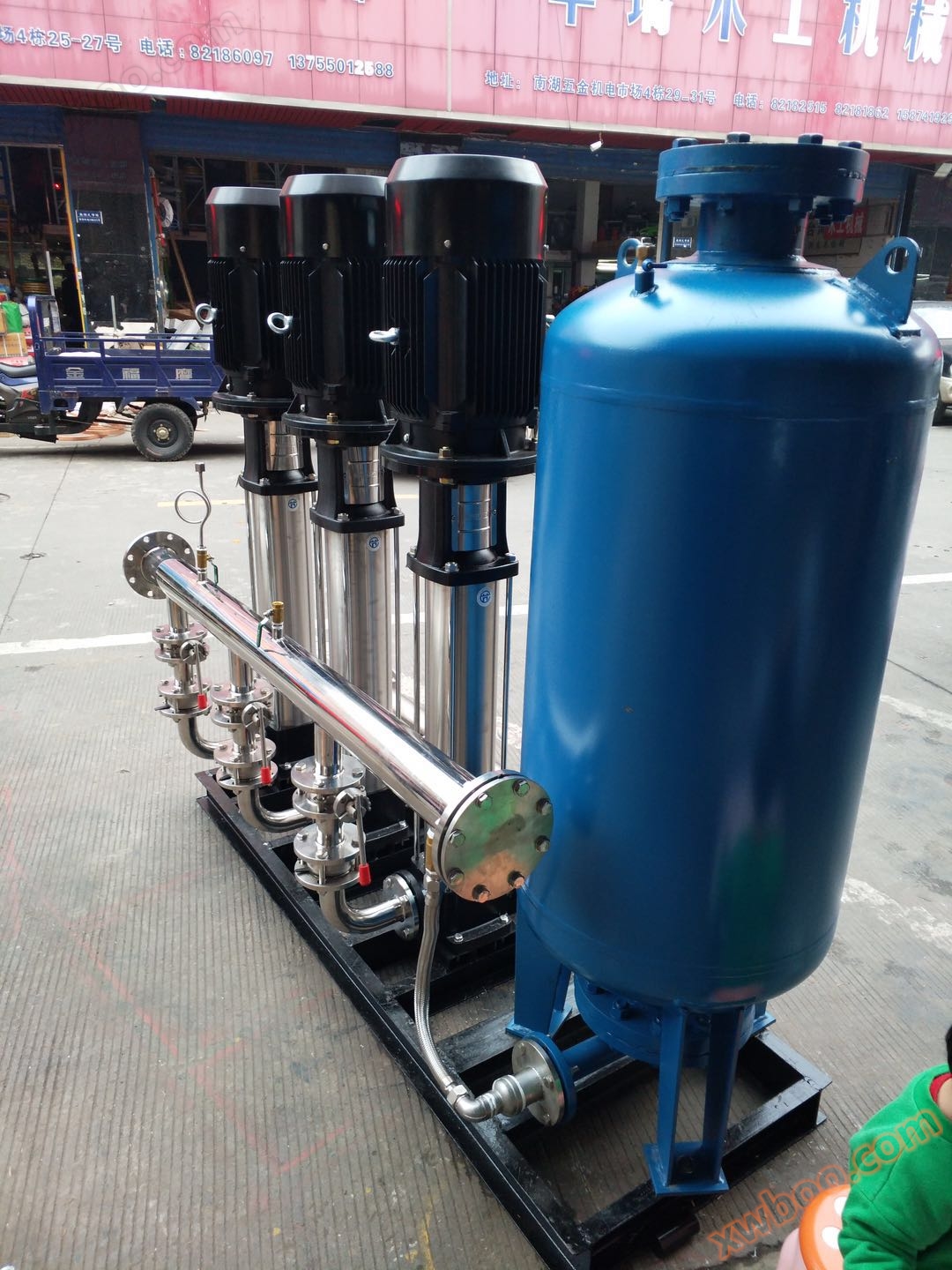
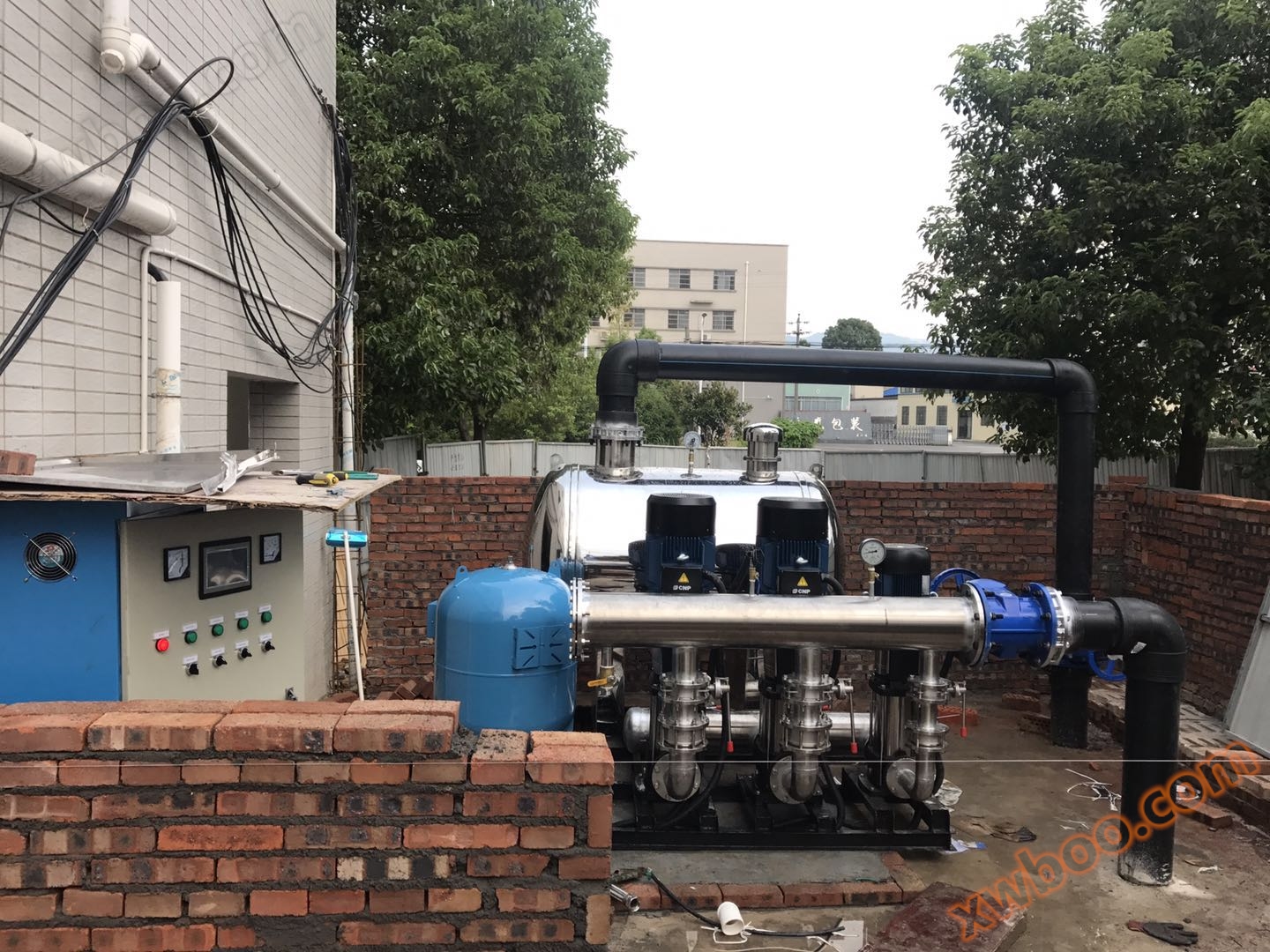
Secondary water supply in residential areas refers to the form in which units or individuals store and pressurize urban public water supply or self built water supply, and then supply it to users or for personal use through pipelines.
Secondary water supply equipment should be installed in any high terrain or high-rise building. Except for non negative pressure equipment, most other water supply equipment comes with reservoirs. The reservoirs in old residential areas may be built on rooftops, while those in new residential areas are built underground.
How to determine if one's own community has built a reservoir?
There is a very simple method of identification. Have you ever seen a curved pipe standing on the ground with its mouth facing downwards? If there is such a pipe in your community, it proves that there is a reservoir for secondary water supply in your community
The reservoir needs to be cleaned
To ensure water supply safety, secondary water supply reservoirs are generally equipped with ventilation holes, overflow outlets, and water outlets. The pool mouth should be covered and locked, and the ventilation holes, overflow outlets, etc. should be sealed with mesh to prevent mice and insects from entering and contaminating the pool.
Even if these protective measures are in place, to ensure water safety, the reservoir should be cleaned regularly. According to the rules, the secondary water supply reservoir should be cleaned at least once every six months. I believe many people are not aware that water supply reservoirs need to be cleaned, let alone that water supply reservoirs in residential areas need to be cleaned every six months.
Similar Product Recommend