-
E-mail
984573880@qq.com
-
Phone
18953674999
-
Address
No. 2, 1688, 1st row, No. 888 Gao'er Road, Weifang Comprehensive Bonded Zone (registered address)
Product Categories
Shandong Senyang Environmental Technology Co., Ltd
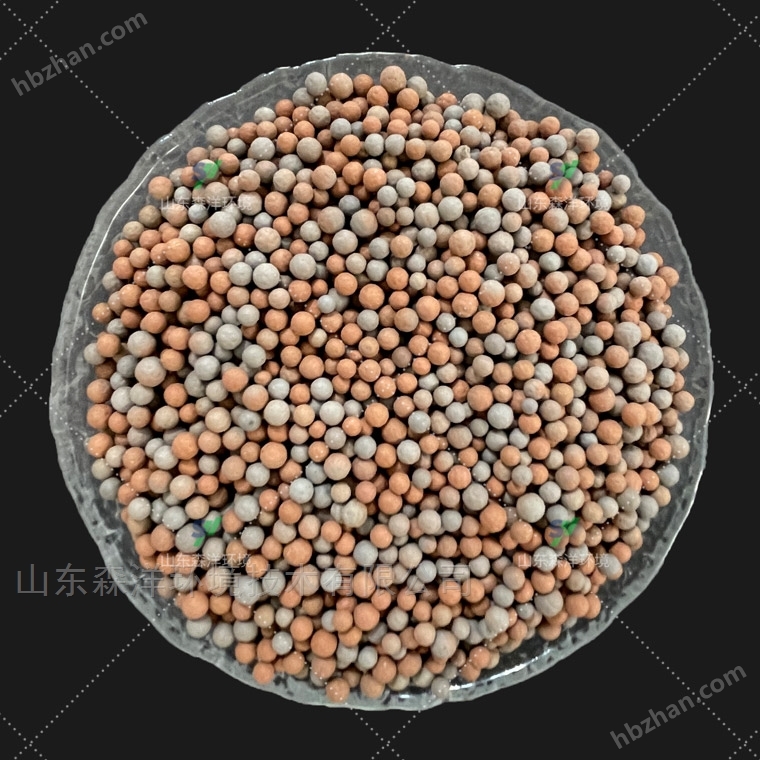
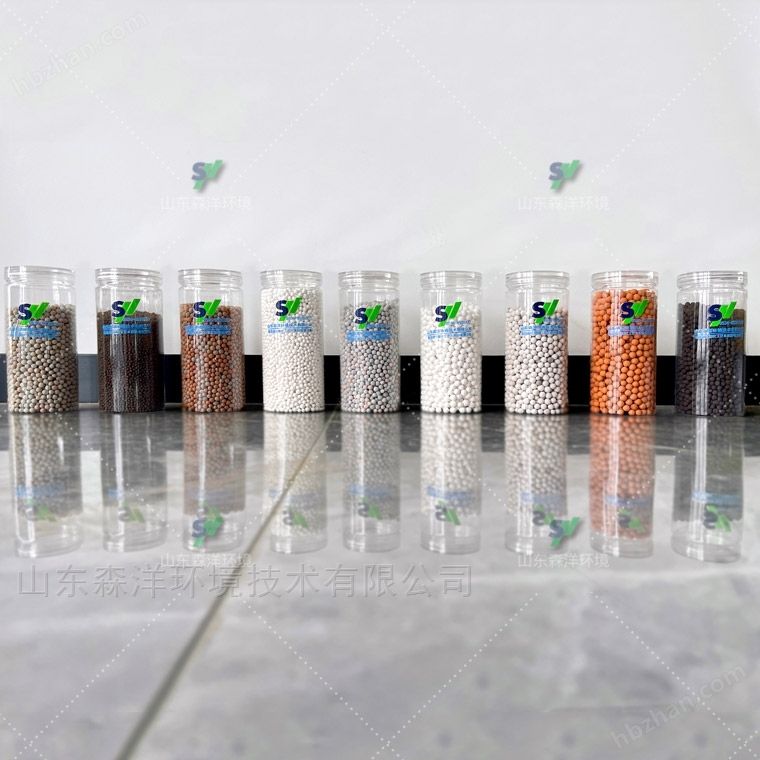
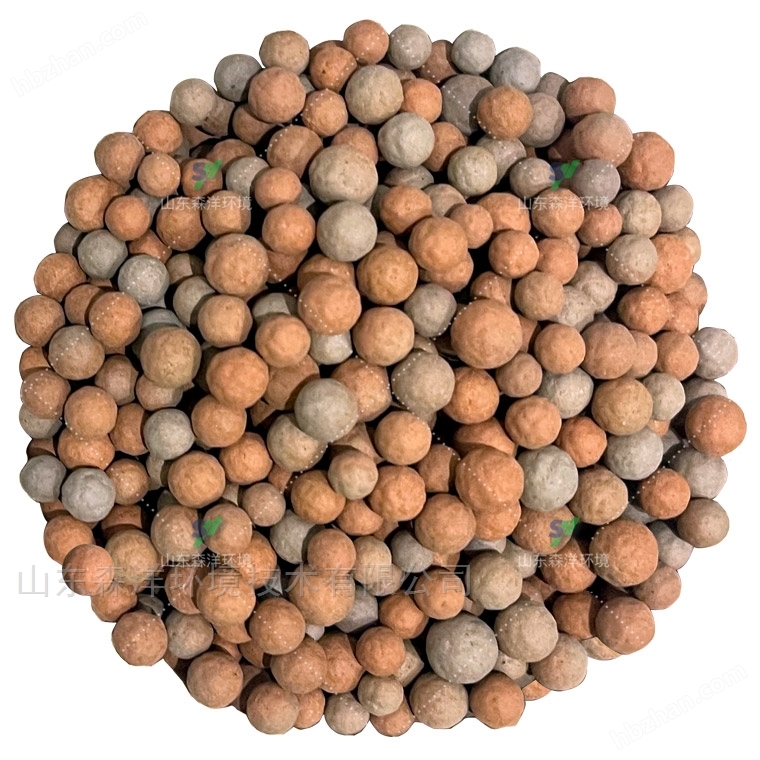
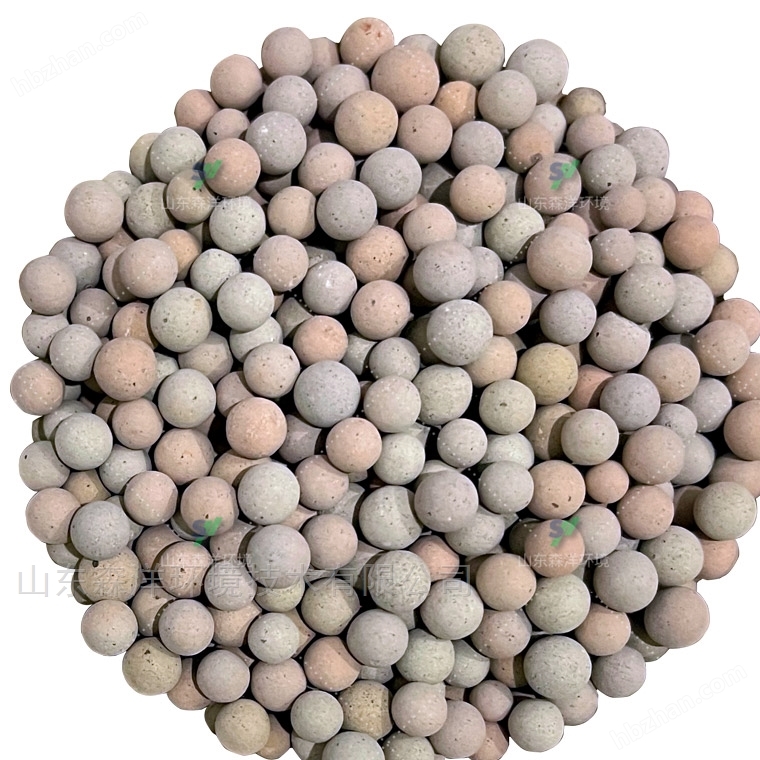
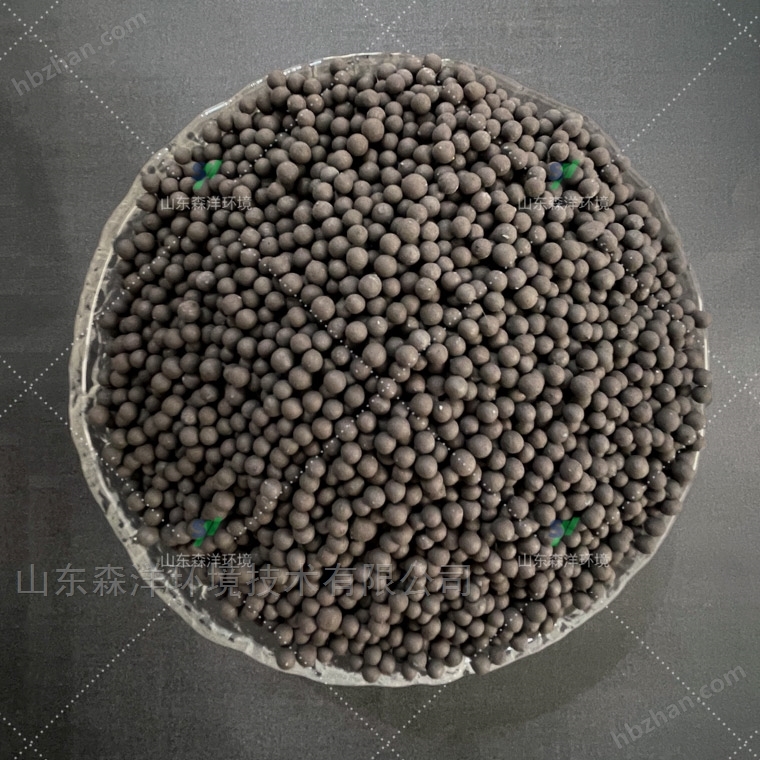
Senyang Environment produces ozone catalyst
NegotiableUpdate on 01/08
- Model
- Nature of the Manufacturer
- Producers
- Product Category
- Place of Origin
Overview
Senyang Environment's production of ozone catalysts has solved the pain points of low efficiency and high cost in traditional ozone oxidation through carrier modification, metal loading optimization, and process integration, becoming the preferred technology for advanced treatment of high difficulty wastewater. It is widely used in heavy polluting industries such as chemical, printing and dyeing, and pharmaceuticals, and has outstanding performance in terms of environmental protection, economy, and adaptability. In practical applications, it is necessary to conduct small-scale verification based on water quality characteristics such as pollutant types and salt content. It is recommended to contact the manufacturer for customized solutions.
Product Details
1Senyang Environment produces ozone catalystCore advantages of ozone catalysts
1. Innovation in Materials and Processes
-Carrier optimization: using modified porous alumina or ceramic substrate as the carrier, with a specific surface area of200-400m²/g, load**Rare earth metals (such asMnTheCoTheCe)**And transition metal oxides enhance the density of active sites.
-Composite sintering process: through high-temperature sintering(800-1200Forming a stable crystal structure (℃) and improving mechanical strength2-3Double, excellent anti erosion performance, with a service life of up to3-5Year.
2. Efficient catalytic performance
-Ozone utilization efficiency improvement: catalytic decomposition of ozone to produce reactive oxygen species (ROS)·OThe·OHReduce the utilization rate of ozone from traditional processes, etc30%upgrade to**80%Above, significantly reducing the amount of ozone added (saving)40%-60%).
-Broad spectrum degradation ability:
- CODremoval rate60%-90%Especially for difficult to degrade organic compounds such as benzene derivatives, phenols, antibiotics, etc;
-Decolorization rate>95%Effectively destroying the chromophore groups of dye molecules;
-Simultaneous removal of ammonia nitrogen (removal rate)50%-70%)And some heavy metals.
3. Economy and environmental friendliness
-Low operating costs: reducing ozone usage and energy consumption (lowering water treatment costs per ton)30%-50%)Decreased sludge production40%
-No secondary pollution: stable catalyst composition, no metal leaching, reaction products areCO₂ andH₂ONo need for secondary neutralization.
4. Strong environmental adaptability
-widepHScope: AdaptationpH 3-9Reduce the acid-base regulation process;
-Resistant to high salt and high chlorine: tolerantTDS≤8%TheCl⁻≤15g/LSuitable for desalination of concentrated seawater and electroplating wastewater;
-Anti pollution impact**Even if water entersCODFluctuations (such as3000mg/LSudden increase10000mg/L)It can still operate stably.
-2、 Typical application industries and scenarios of ozone catalysts produced by Senyang Environment
1. Chemical and petrochemical industry
-Application scenario: Processing highly toxic wastewater containing benzene derivatives, phenols, pesticide intermediates, etc., such as petroleum refining wastewater and coking wastewater.
-Typical case: Treatment of epoxy resin wastewater in a chemical plant,CODfrom5000mg/Ldrop to800mg/LDecolorization rate98%
2. Printing and dyeing and textile industry
-Application scenario: Degradation of reactive dye and dispersed dye wastewater, decolorization and reductionCODEnhance biodegradability.
-Technical highlight: Combined with microelectrolysis process, forming a "pretreatment (decolorization)+Deep oxidation(CODRemove the entire process plan.
3. Pharmaceutical and Medical Industry
-Application scenario: Processing wastewater containing antibiotics, hormones, and chemical raw materials, and cracking difficult to degrade organic compounds.
-Case reference: Wastewater from a certain antibiotic pharmaceutical factoryCODfrom8000mg/Ldrop to1200mg/L,B/CCompared to from0.1upgrade to0.35
4. Municipal and garbage leachate
-Application scenarios: Deep treatment of trace pollutants in municipal wastewater (such as drug residues, endocrine disruptors), degradation of humic acid in leachate from garbage.
-Advantages reflected: Modular design adapted to the renovation of old water plants, reducing land occupation40%
5. Electroplating and Electronics Industry
-Application scenario: Simultaneous degradation of chelating agents in electroplating wastewater (such as...)EDTA)And organic matter, assisting in the removal of heavy metals.
6. Food and Brewing Industry
-Application scenario: Processing high concentration organic wastewater (such as starch wastewater, fermentation wastewater), reducingCODAnd decolorize.
Similar Product Recommend


