-
E-mail
1743251064@qq.com
-
Phone
13403270026
-
Address
Botou Development Zone, Hebei Province
Product Categories
- Pulse dust collector
- Star shaped unloader
- Dust bag
- Spiral conveyor
- Cyclone dust collector
- Dust humidifier
- Dust removal framework
- Low temperature plasma exhaust gas treatment equipment
- precipitator
- Dust removal accessories
- Single dust collector
- Boiler dust collector
- bag-type dust collector
- Plasma oxygen integrated machine
- Catalytic combustion equipment
- Industry dust collector
- Welding smoke purification equipment
- other
- UV photo oxygen exhaust gas treatment equipment
Botou Longnuo Environmental Protection Equipment Co., Ltd

Single machine bag filter
NegotiableUpdate on 07/21
- Model
- Nature of the Manufacturer
- Producers
- Product Category
- Place of Origin
Overview
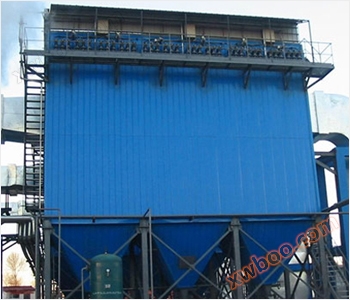
Introduction to Single Machine Bag Dust Collector: The single machine bag dust collector belongs to the mechanical shaking dust collector. Its basic structure consists of three parts: fan, filter, and dust collector. Each component is installed in a vertical frame, with a steel plate shell, baked paint for rust prevention, reliable operation, and easy use
Product Details

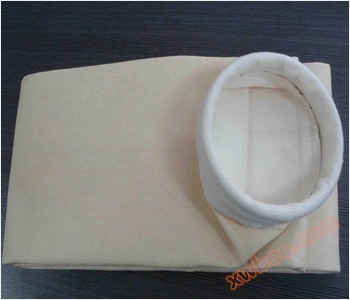
The single machine bag filter belongs to the mechanical shaking dust collector, and its basic structure consists of three parts: the fan, the filter, and the dust collector. Each component is installed in a vertical frame, with a steel plate shell, anti rust coating, reliable operation, and easy use. The fan adopts a centrifugal fan with high air volume and pressure, and adopts noise reduction measures, resulting in low noise. The filter adopts a flat bag group, and each bag is equipped with a spring steel wire mesh for good filtering effect. The dust cleaning mechanism uses an electric motor to drive the eccentric wheel and connecting rod to shake the bag and remove the dust adhering to the surface of the filter bag. This dust collector is equipped with an inspection door for easy maintenance and bag replacement.
There are two main ways to discharge a single dust collector: a rotary feeder and a flap valve.
When using a rotary feeder for material feeding, the failure rate is relatively high. Due to installation and maintenance reasons, during the operation of the dust collector, bolts, nuts, or filter bags may fall off into the ash hopper, causing blockage of the feeder and twisting of the safety pin, seriously burning out the motor; In addition, single machine dust collectors often operate intermittently. During the shutdown period, the dust accumulated on the inner wall of the dust collector will solidify due to absorbing moisture from the air. Therefore, when the dust collector runs again, it is possible for the hard block to fall off and block the impeller of the feeder, causing the safety pin to twist or the motor to burn out. To address these issues, measures such as installing protective nets inside the dust collector casing and clearing the ash hopper during shutdown can be taken.
Compared with the rotary feeder, the flap valve feeder has the advantages of low failure rate, easy maintenance, and power saving. Under the same conditions, using a double flap valve, some smaller structures and debris can directly pass through the flap valve without blockage; The double flap valve has a simple structure, and even if there is material blockage, it only needs to be poked once to solve the problem. In addition, using a flap valve for cutting can save electricity. Assuming a cement plant has 50 single dust collectors and uses a rotary feeder, the motor power is 1.1 kW. Calculated at an average operating rate of 50%, the annual electricity consumption is approximately 240000 kWh. When using an electric flap valve, the motor power is 0.37kW, and the total annual power consumption is only about 81000 kWh. If a heavy hammer flap valve is used, no electricity is required. Therefore, the single machine dust collector adopts the flap valve feeding method, which has a low failure rate, easy maintenance, and saves electricity.