-
Phone
13532493299
-
Address
No. 36, South Second Sunshine Plaza, Wanjiang Gonglian, Dongguan City
Product Categories
Guangdong Lijiang Environmental Protection Technology Co., Ltd
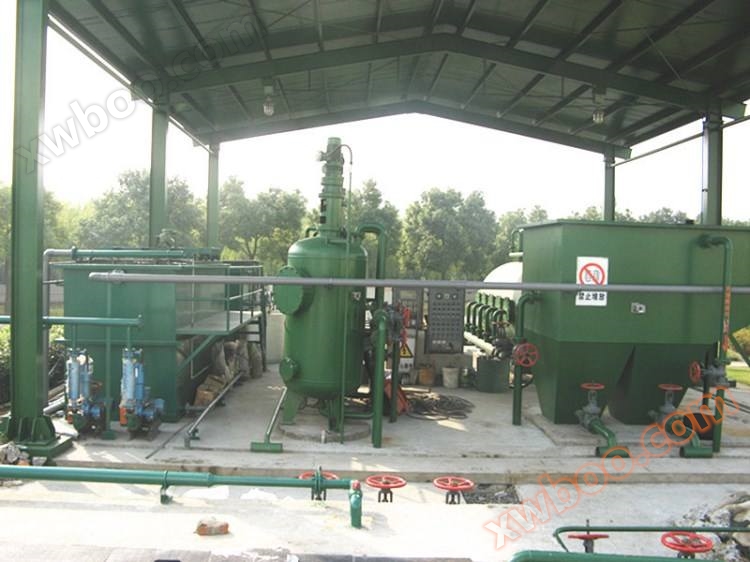
Steel plant wastewater treatment equipment
NegotiableUpdate on 02/08
- Model
- Nature of the Manufacturer
- Producers
- Product Category
- Place of Origin
Overview
1、 Iron and steel wastewater sources: 1. Ironmaking wastewater comes from blast furnace gas washing water and slag flushing wastewater. The characteristics of the wastewater are: high water temperature, high concentration of suspended solids ..
Product Details

1、 Source of Steel Wastewater
1. Ironmaking wastewater comes from blast furnace gas washing water and slag flushing wastewater, characterized by high water temperature and high suspended solids concentration, which can reach up to 1000-3000 milligrams per liter.
2. The characteristics of indirect cooling water for steelmaking equipment, direct cooling wastewater for equipment and products, dust removal wastewater, and slag flushing wastewater are: direct cooling wastewater for equipment and products. Containing a large amount of iron oxide and a small amount of lubricating oil, it can be recycled after treatment.
3. Steel rolling wastewater comes from the process of hot rolling and cold rolling products, which requires a large amount of direct cooling water to wash the steel and equipment. Its characteristics are: hot rolling wastewater contains a large amount of iron oxide and oil, with high water temperature and large water volume.
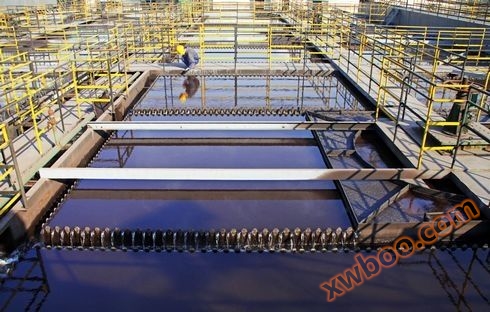
2、 Characteristics of Steel Plant Wastewater
1. In the process of steel rolling production, a large amount of wastewater is generated, which mainly contains the oxide scale generated on the surface of the spray cooling rolling mill roller and the rolled steel, oil substances on mechanical equipment, solid impurities and other waste materials, and sludge. Steel rolling wastewater can be divided into two types: hot rolling wastewater and cold rolling wastewater. The main pollutants are a large amount of iron oxide scales and lubricating oils with different particle sizes. The treatment of oily wastewater in hot rolling wastewater and the recovery technology of waste oil are representative in steel rolling wastewater. In addition, the concentration and dehydration treatment of fine particle oily iron oxide scales are also the main treatment contents.
2. Hot rolled steel wastewater refers to the wastewater generated by the hot rolling workshop of a steel plant during the process of hot rolling steel ingots into various types of steel (steel plates, steel bars, rails, etc.) using water to cool the rolling rolls and wash the oxide scale. The water temperature is 30-40 ℃, and approximately 30-40 m3 of wastewater is discharged for every ton of steel plate rolled. The wastewater contains about 5000 mg/L of iron oxide scale, 100-1250 mg/L of suspended solids, 800-1500 mg/L of residue, and 50-500 mg/L of oil. Wastewater is treated by coagulation and sedimentation to remove suspended solids and oil pollution, and then cooled for reuse in production.
3. There are many types of cold rolling wastewater, and the pollutants it contains are also complex and vary greatly. Among them, the oil concentration and emulsion concentration of cold-rolled emulsion are high, and it generally contains surfactants, making it a difficult type of wastewater to treat in oily wastewater systems.
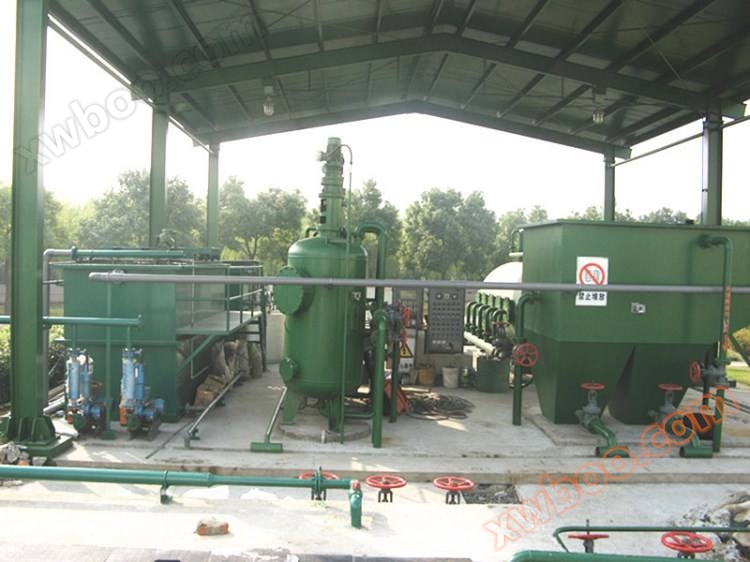
3、 Steel wastewater treatment process
The common methods for treating wastewater in the steel industry include chemical treatment, physical treatment, and biological treatment. Common chemical treatment methods include neutralization method, coagulation method, and oxidation-reduction method; Physical methods include air flotation and sedimentation, filtration and interception, evaporation concentration, and centrifugation techniques. These methods treat a large amount of wastewater and have high treatment efficiency, but the equipment occupies a large area. After treatment, the pollutants in the wastewater are prone to exceed the standard, and the recycled water quality is not stable.

After being treated by physical and chemical methods, it is common to encounter excessive levels of manganese, iron, some organic matter, and turbidity in wastewater. In this case, it cannot meet the standards for wastewater reuse, so biotechnology is needed to improve the wastewater reuse rate. Membrane separation technology and biological activated carbon technology play a significant role in the deep treatment of wastewater, effectively removing heavy metals and organic matter that are difficult to degrade, and improving the reuse rate of wastewater.


