-
E-mail
jypump@yeah.net
-
Phone
15589352061
-
Address
No. 19-1, Dahaiyan Section, Zhangbo Road, Boshan District, Zibo City, Shandong Province
Product Categories
- Desulfurization pump series
- Single stage double suction open pump series
- Rotary vane vacuum pump
- Magnetic pump series
- Roots vacuum pump
- Slurry pump series
- Chemical pump series
- Submersible Pump Series
- Self priming pump series
- Special pump series
- Water supply equipment
- Vacuum unit series
- Slurry pump series
- Vacuum pump series
- Centrifugal pump series
Zibo Jieyou Pump Industry Co., Ltd
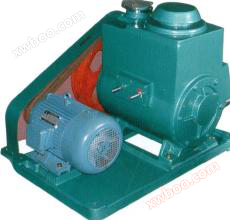
X-100 single-stage rotary vane vacuum pump
NegotiableUpdate on 03/24
- Model
- Nature of the Manufacturer
- Producers
- Product Category
- Place of Origin
Overview
X-100 single-stage rotary vane vacuum pump
Product Details
texture of material: |
ferrous metal |
|---|---|
Type: |
vacuum pump |
Driving mode: |
electric |
Transport medium: |
gas |
Pump shaft position: |
horizontal type |
Impeller suction method: |
vacuum |
model: |
X-100 type |
Customized processing: |
in stock |
Performance: |
High pressure, hygienic, corrosion-resistant, non blocking |
detailed description:

The X series single-stage rotary vane vacuum pump is the first new product in China that can extract a large amount of water vapor. Due to the pump's oil regeneration device and reliable gas ballast device, the service life of the pump oil is extended. The basic equipment used to obtain vacuum by extracting gas from sealed containers, suitable for electronic device manufacturing, vacuum drying, filtration, impregnation, coating, welding, smelting, and laboratory equipment.
characteristic:
1. Compared to the XD series single-stage vacuum pump, it has a high limit vacuum. For slide valve vacuum pumps, noise can be controlled by adjusting the noise reducing needle valve. Due to its small eccentric mass of the rotor and balanced rotor, the vibration is small.
2. The X series rotary vane vacuum pump has high pumping efficiency.
3. The X series rotary vane vacuum pump has good air damping performance.
The X series rotary vane vacuum pump has a specially designed gas ballast device that can fill the exhaust chamber with dry gas, greatly reducing the partial pressure of steam in the exhaust gas. When it is lower than the saturated vapor pressure at the pump temperature, it can be discharged from the pump with air to avoid condensation in the pump.
4. The X series rotary vane vacuum pump is equipped with a temperature controlled water flow regulating valve.
When the pump is working, the pump temperature can be adjusted to 75oC ± 5oC by adjusting the water pressure provided by the pump itself, thereby increasing the discharge outside the pump. However, the pump temperature should not exceed 80oC (temperature measurement point of the oil tank).
5. The X series rotary vane vacuum pump has an oil-water separator.
It can allow impurities and condensates in the pump oil to accumulate at the bottom of the oil-water separator and be discharged outside the pump through a drain valve installed at the bottom.
Model X-100/X-150

| model | X-100 | X-150 | |
| Extraction rate (L/s) | 100 | 150 | |
| limiting pressure (Pa) |
≤6 | ≤6 | |
| When there is gas town | ≤90 | ≤90 | |
| Steam extraction rate (g/h) | 8000 | 12000 | |
| Pump speed (rpm) | 380 | 360 | |
| Equipped with motor power (kW) | 7.5 | 15 | |
| Entrance nominal size (mm) | 100 | 100 | |
| Noise dB (A) | ≤80 | ≤98 | |

After unpacking, carefully remove the X-type rotary vane vacuum pump body, spare accessories, and instructions, and keep them safe for future use. Remove the filling material and clean the surface dust and dirt of the pump. Count the quantity according to the packing list.
The X-type rotary vane vacuum pump is installed indoors in a clean environment, with good ventilation and sufficient lighting that meets the requirements of Article 4. According to usage, the pump should be installed in a spacious area for easy operation and maintenance. The external dimensions of the pump are shown in. The X-type rotary vane vacuum pump can be placed on a solid and flat ground without the need for a special foundation. If it needs to be fixed, additional screws can be added to secure it to the foundation. The size of the anchor screws is shown in. When using X-type rotary vane vacuum pumps near precision instruments, consideration should be given to adding shock absorbers.
Connect the pumped container to an X-type rotary vane vacuum pump using a vacuum hose or flange. If a flange is used for connection, there should be a rubber ring groove on the flange, as shown in Figure 50 for the form and size. The diameter of the pipe connecting the pumped container should not be smaller than the diameter of the pump inlet, the pipe should be short, and the joints should be few, otherwise it will affect the pumping speed. The leakage of the pipeline and joints should be small. The amount of gas in the container to be pumped should be adapted to the pumping speed of the pump. The pumping speed relationship of the X-type rotary vane vacuum pump is shown in Figure 4. It is recommended to install a vacuum valve between the pump and the container being pumped to control the gas flow rate. For the pump, it is recommended to install a vent valve (or solenoid valve) to release air during parking, which can prevent oil return and make it easy to start.
Connect the power supply according to the voltage and wiring method indicated on the motor label, and it is recommended to use a safety device to prevent overload. Determine the direction of rotation of the motor, which should be consistent with the direction of the arrow on the pump. Remove the exhaust plug and install the exhaust hood, or remove the sleeve from the exhaust nozzle. The X-type rotary vane vacuum pump requires the cooler to be connected to a water source.
If it is necessary to remove toxic and corrosive gases that corrode black metals, gases that cause chemical changes in vacuum oil, and gases that exceed room temperature and have dust, relevant devices such as neutralization, cooling, and filtration should be installed on the intake pipeline to cooperate with use. Otherwise, it will affect the performance and service life of the X-type rotary vane vacuum pump. When extracting harmful gases to the human body, corresponding pipelines should be installed to direct the exhaust gas outdoors away from the work area for treatment.
Note: Be careful during installation to prevent iron filings, dirt, dust, etc. from falling into the pump

1. Precautions for the operation of X-type rotary vane vacuum pump:
(1) Start intermittently 1-2 times, observe for any abnormal sounds or special vibrations during operation, and only continue running if there are no issues.
(2) Note that the oil level should be between the two oil markings on the sight glass. Excessive oil level can cause difficulties in starting, oil return, fuel injection, and other adverse phenomena, while insufficient oil level can affect the vacuum degree. When the fuel level is insufficient, it should be refueled through the refueling hole. Pay attention to the oil level of the pump that has been stopped for a long time. After running the pump continuously for a few revolutions, the oil level will rise.
(3) Open the cooling water
(4) Open the valve on the pump inlet nozzle, the size of the opening depends on the specific situation.
2. For the X-type rotary vane vacuum pump installed for the first time, a test run should be conducted first. At this time, the pump should have no improper installation vibration or special impact sound, the motor should not be overloaded, and the oil temperature and ultimate vacuum degree should meet the technical specifications.
3. When stopping the X-type rotary vane vacuum pump, the valve on the intake nozzle should be closed first. If a vent valve is installed, the pump should be vented, and then the power supply should be cut off before stopping the water source.
4. Precautions for using X-type rotary vane vacuum pump:
(1) Regularly pay attention to the oil level.
(2) Slowly open the valve after starting the pump.
(3) Regularly pay attention to whether the pump is running normally, whether there are any special noises, and whether the motor is operating at overload.
(4) Pay attention to whether the cooling water is interrupted.
(5) Please note that the temperature rise of the pump should not exceed 40 ℃
(6) When the temperature of the X-type rotary vane vacuum pump drops below 5 ℃ after parking, the cold water inside the pump must be completely removed.

1. In addition to the 15th item to be noted during operation, the X-type rotary vane vacuum pump should also pay attention to the following items:
(1) The X-type rotary vane vacuum pump must be kept clean regularly and no other objects should be placed on the pump.
(2) Pay attention to whether the belt tension is appropriate, and adjust it once every six months.
(3) Check if there is any air leakage at the pipeline joints and promptly eliminate it.
2. After the X-type rotary vane vacuum pump has been working continuously for three months to six months, the oil should be changed once. In areas with high humidity, pumps that work in humid seasons, or those that are heavily polluted by pumped gases, the oil change time should be shortened according to specific circumstances.
The oil change procedures are as follows:
(1) Remove the X-type rotary vane vacuum pump from the vacuum system, raise one end of the chassis motor, open the oil drain plug to drain the oil, rotate the vacuum pump, cover the exhaust port, so that all the dirty oil in the chamber is drained from the oil drain port. Then add 100-500ml of new oil from the air inlet and continue to rotate for 5-10 revolutions or more. Clean the inside 3-5 times. After draining the dirty oil, install the oil drain plug, flatten the pump, and add new oil from the air inlet and oil filling hole respectively. The oil change is completed.
(2) When changing the oil, it is not advisable to operate the motor for a long time to avoid excessive jumping and fatigue of the exhaust valve plate.
(3) It is strictly prohibited to use kerosene, gasoline, alcohol, etc. for non disassembly cleaning of the pump.
Note: The best oil temperature for changing the X-type rotary vane vacuum pump is after the oil temperature has increased.
3. If the X-type rotary vane vacuum pump is stopped for a long time, the exhaust hood should be removed, the exhaust plug should be placed, the air inlet should be closed, and the accumulated water should be drained.

Troubleshooting of general faults in X-type rotary vane vacuum pump:
1. X-type rotary vane vacuum pump has low vacuum degree:
(1) Pump temperature too high:
(2) If the temperature of the extracted gas is high, the gas should be cooled first before entering the X-type rotary vane vacuum pump. B、 If the hard object cylinder is worn due to inhalation, it should be repaired and replaced.
(3) If the cooling water of the pump is insufficient, the cooling water should be turned on or increased. D、 If improper assembly causes single-sided wear, it should be inspected and reinstalled.
(4) The oil level is too low and has not reached the sight glass oil line position. Sufficient oil should be added.
(5) The mixing valve is not tightly closed and leaks air. It should be tightly closed.
(6) Oil quality deteriorates, replace with new oil.
(7) The leakage of air in X-type rotary vane vacuum pumps is often caused by poor oil seals on the pump's end face. At this time, the exhaust cover should be opened to check if there is a shortage of oil in the B oil tank. If there is no oil, it should be refilled from the oil filling hole to fill the B oil tank with oil
(8) The rotating spring is broken and should be removed and replaced.
(9) The valve plate is damaged and should be replaced.
(10) The sealing ring in the oil seal on the front panel is damaged or the rubber has deteriorated, and should be replaced.
(11) The X-type rotary vane vacuum pump has been in use for a long time, with significant wear and increased clearance. Damaged parts should be repaired or replaced.
(12) The filter screen at the intake is blocked, remove and clean it.
2. X-type rotary vane vacuum pump motor overload operation:
(1) The temperature of the rotary vane vacuum pump is too high, please handle it according to item (1) of clause 20.
(2) Inhaling iron filings or other mechanical substances causing single-sided wear should be repaired or replaced with worn parts.
(3) Improper assembly causing single-sided wear or biting should be repaired and reassembled.
3. X-type rotary vane vacuum pump Other:
(1) Oil leakage at the shaft end, worn or improperly assembled sealing ring, should be replaced or reinstalled.
(2) When driving and spraying oil, if the oil level is too high, excess oil should be released, or if the oil blocking devices are broken, they should be readjusted or repaired.
(3) End face oil leakage, due to uneven collision between the front and rear end faces, the end plate is not tightened. The end face should be leveled and tightened.
Similar Product Recommend