-
E-mail
476480880@qq.com
-
Phone
19053605661
-
Address
Oulong Technology Park
Product Categories
Shandong Lanjing Electronic Technology Co., Ltd

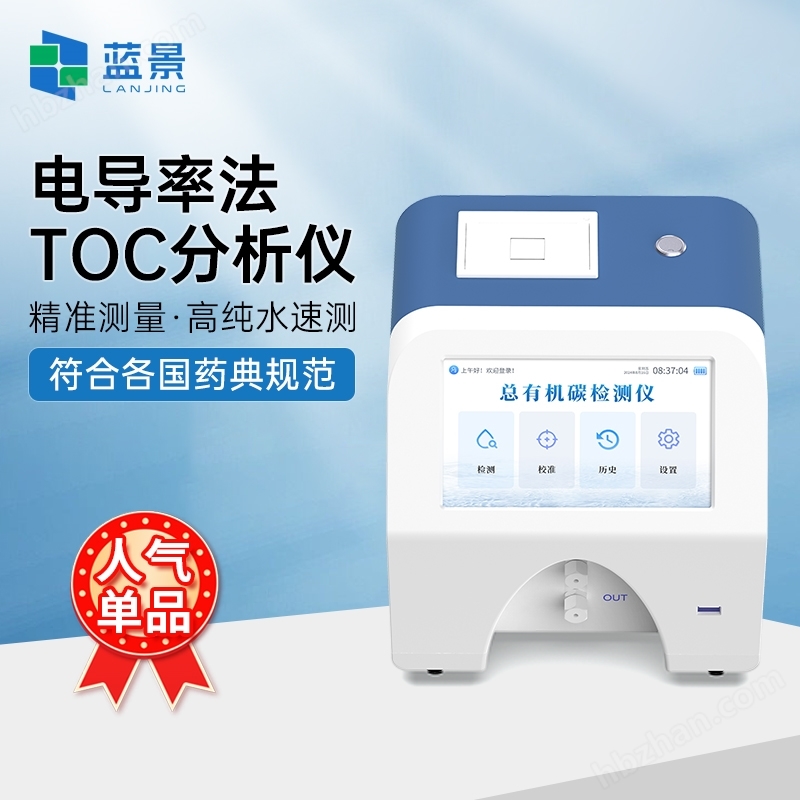

toc analyzer
NegotiableUpdate on 01/08
- Model
- Nature of the Manufacturer
- Producers
- Product Category
- Place of Origin
Overview
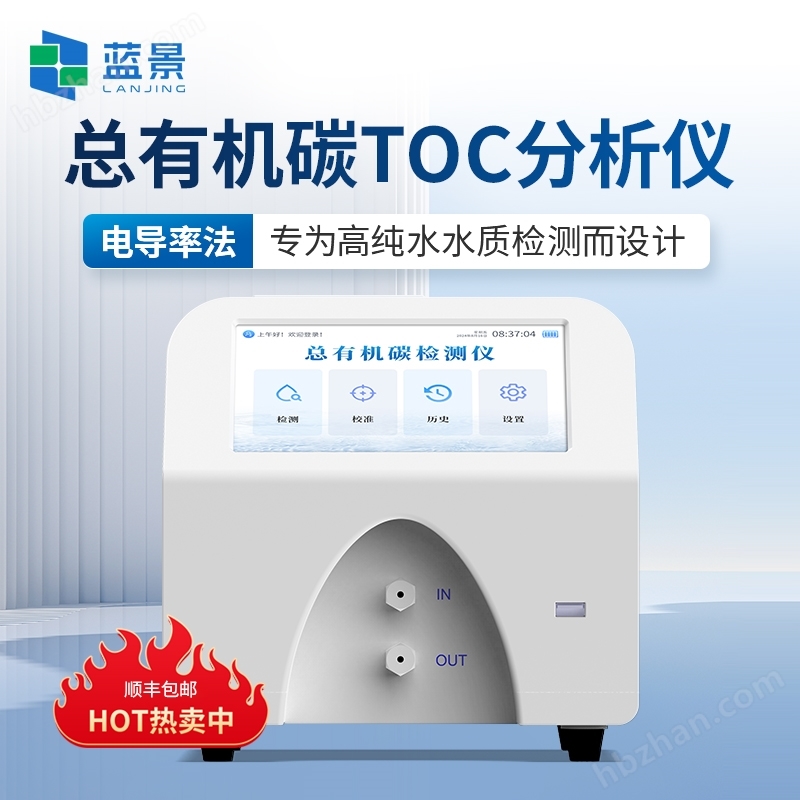
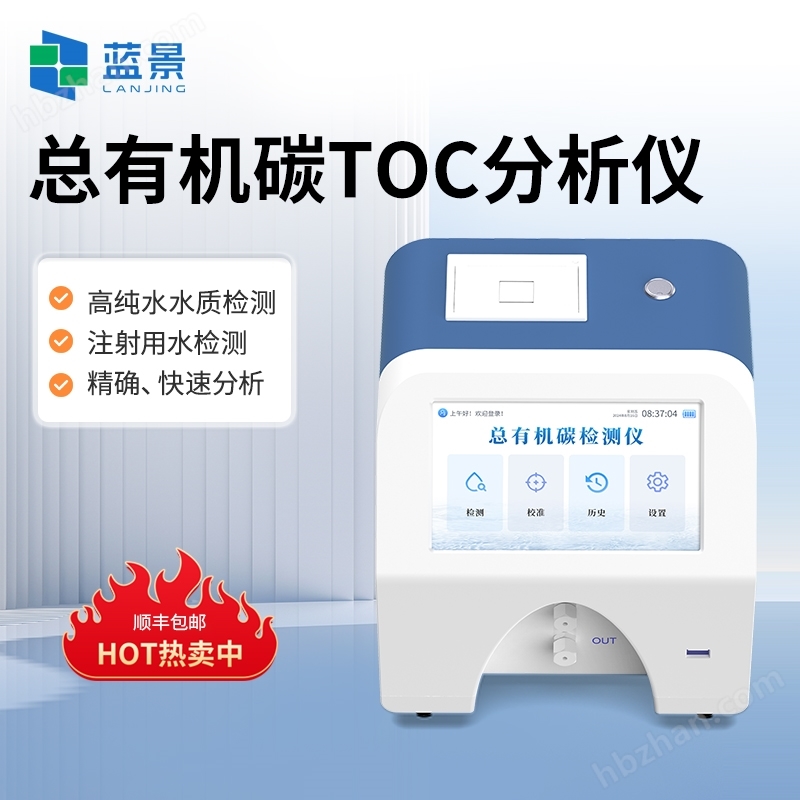
The TOC analyzer is designed specifically for the detection of high-purity water quality. The instrument adopts advanced differential conductivity detection technology to efficiently convert organic carbon in water samples into carbon dioxide through ultraviolet oxidation, and accurately measure the conductivity changes caused by it, thereby achieving precise and rapid analysis of TOC content.
Product Details
Equipped with the "UV persulfate+hydroxyl radical" composite oxidation technology, the oxidation efficiency is over 95%, and even low concentration organic carbon can be completely decomposed; Adopting a sequential batch measurement logic of "removing inorganic carbon first and then measuring organic carbon", coupled with a high-precision NDIR detector, completely eliminating TIC interference, the detection limit is as low as 0.001mg/L, and the data deviation rate is less than 3%. From ppb level monitoring of ultrapure water to high concentration analysis of industrial wastewater, precise coverage across the entire range ensures that pollution hazards are exposed.
1、 Instrument Introduction
toc analyzerSpecially designed for high-purity water quality testing. The instrument adopts advanced differential conductivity detection technology, which efficiently converts organic carbon in water samples into carbon dioxide through ultraviolet oxidation, and accurately measures the conductivity changes caused by it, thereby achieving precise and rapid analysis of TOC content.
toc analyzerThe product has the characteristics of low detection limit, high sensitivity, fast response speed, and good stability. The operating interface is simple and easy to use. It can be widely used for the detection of production water, injection water, and purified water in industries such as pharmaceuticals, microelectronics, and power. It is a reliable tool to ensure water quality safety and meet the requirements of pharmacopoeia and relevant industry regulations.
2、 Detection principle
The core detection principle of the instrument is based on the differential conductivity method, and the key to accurate measurement lies in photochemical oxidation technology.
The instrument uses specific wavelengths of ultraviolet light to directly irradiate water samples, generating highly oxidative free radicals (such as · OH hydroxyl radicals). These high-energy free radicals can rapidly and thoroughly oxidize and degrade organic molecules in water into carbon dioxide (CO ₂). The generated CO ₂ dissolves in water to form carbonic acid, causing a significant change in the conductivity of the water sample. High precision conductivity sensors accurately capture the difference in conductivity before and after oxidation, and automatically deduct background interference such as inorganic carbon. Finally, through the internal algorithm model of the instrument, the total organic carbon (TOC) content in the water sample can be obtained with specificity and accuracy. This photochemical oxidation method does not require high temperature and pressure, and the reaction is fast and complete. Combined with the high sensitivity of conductivity detection, it is particularly suitable for precise monitoring of high-purity water.
3、 Applicable standards
This product is applicable to the pharmaceutical machinery industry standard of the People's Republic of China: JB/T 20178-2017
4、 Application scope
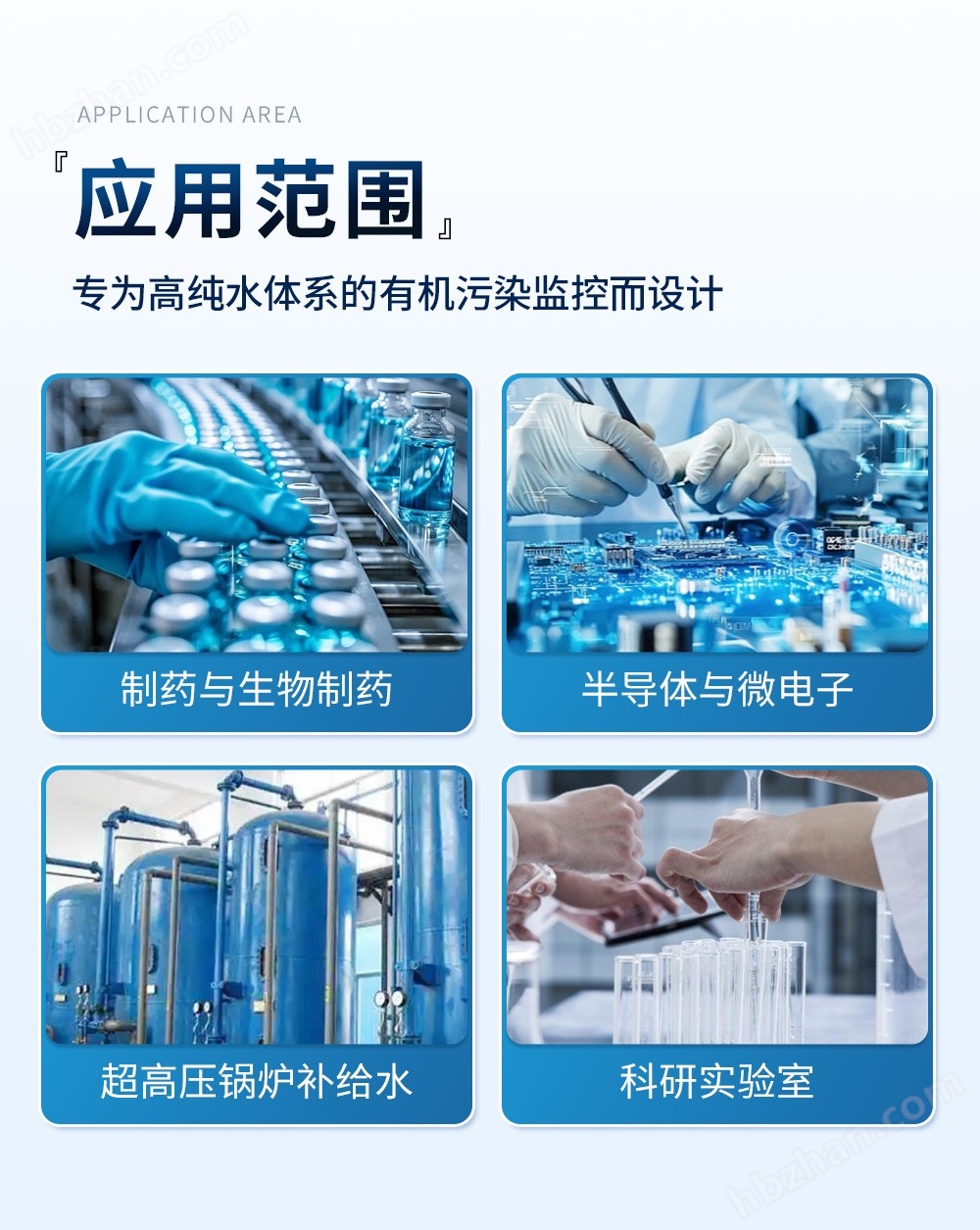
This instrument is designed specifically for organic pollution monitoring in high-purity water systems and is widely used in industries with strict water quality requirements. It is a reliable tool for testing purified water, water for injection (WFI), and cleaning validation in the pharmaceutical industry, ensuring compliance with pharmacopoeia standards of various countries. In the fields of microelectronics and semiconductors, it can be used to monitor the quality of ultrapure water, which is a key link in ensuring chip yield. At the same time, it is also applicable to water quality control of systems such as nuclear power and ultra-high pressure boiler feedwater in the power industry, as well as daily analysis work in scientific research laboratories, providing accurate data support for fine water quality management and product quality control in various fields.
5、 Instrument features
1. Intelligent interaction and data management
(1) High performance system: equipped with Android 10 operating system, running smoothly and stably.
(2) High definition touch experience: Equipped with a 7-inch high-definition capacitive touch screen (1024 × 600 resolution), the UI interface is clear and intuitive, and the operating experience is extremely good.
(3) Seamless data transmission: Supports Wi Fi to quickly upload detection data to the monitoring platform, enabling remote monitoring.
(4) Convenient data recording: Equipped with a built-in high-speed thermal printer, it supports image and table format storage, making it easy to trace and archive data.
2. Core detection performance
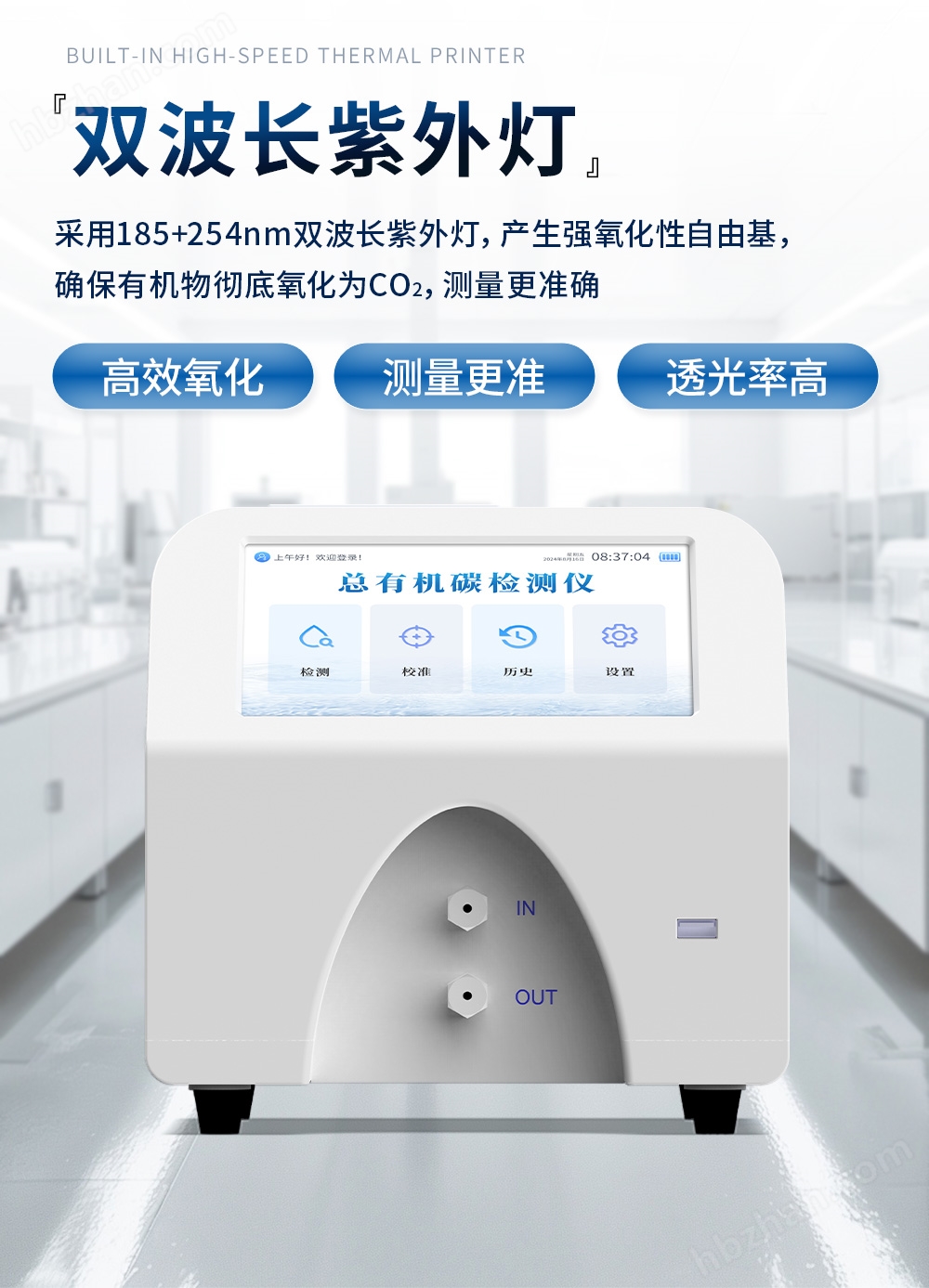
★ (1) Dual wavelength high-efficiency oxidation: Using a 185 nm+254 nm dual wavelength ultraviolet lamp, strong oxidative free radicals are generated to ensure the complete bottom oxidation of organic matter to CO ₂, resulting in more accurate measurement.
★ (2) High sensitivity detection: Based on high-precision differential conductivity detection technology, the sensitivity reaches ppb level (μ g/L), optimized for low concentration TOC water samples, and is the first choice solution for ultrapure water systems.
(3) Compliance guarantee: Fully comply with the regulatory requirements of USP<643>, EP 2.2.44, ChP and other national pharmacopoeias for TOC testing of pharmaceutical water.
3. Low maintenance and security
(1) Reagent free design: based on pure physical photooxidation principle, no need to add chemical reagents, no catalyst consumption, significantly reducing long-term operating costs.
(2) Safe and energy-saving: No need for high-temperature heating (compared to combustion methods), no need for high-pressure gas, compact equipment size, low power consumption, safe and reliable operation.
(3) Long life design: using high-quality quartz reactors with high ultraviolet transmittance; Long life UV lamp design, with a structure that is easy to replace and maintain quickly.
6、 Technical parameters
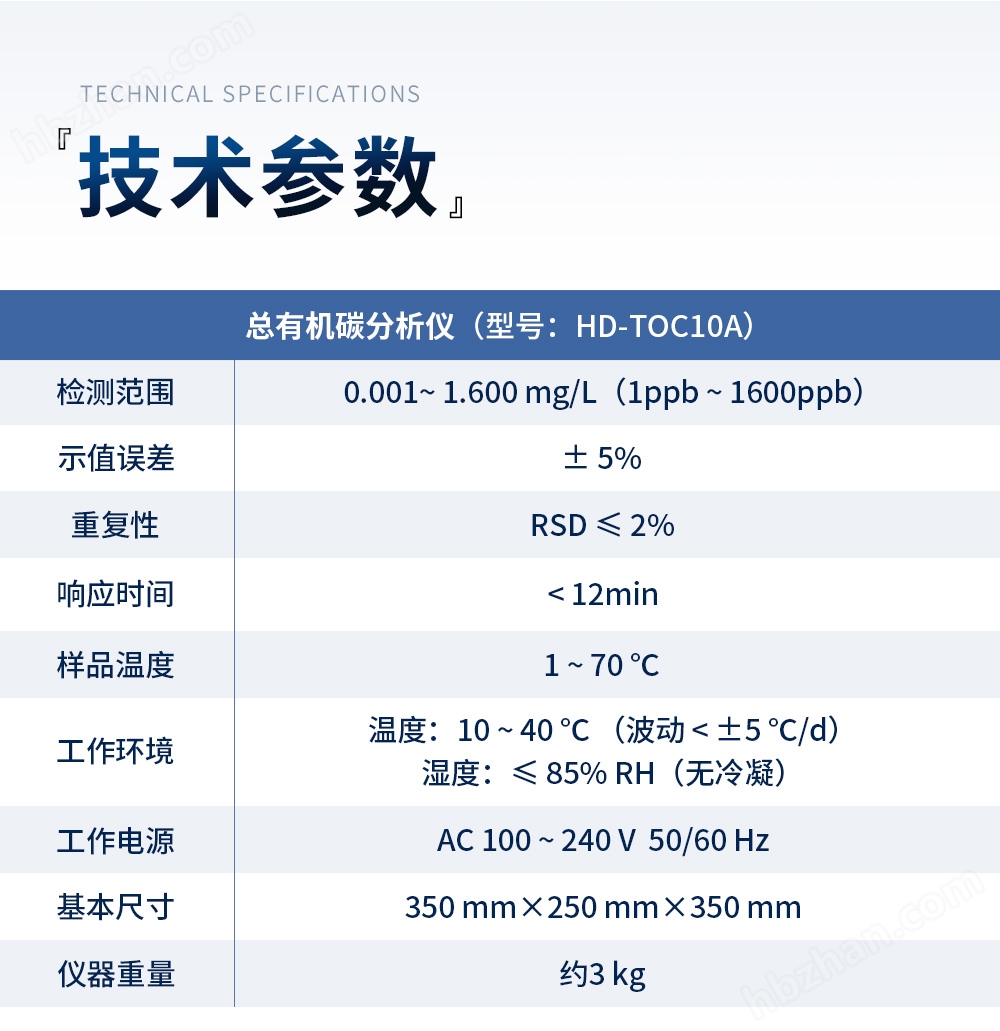
1. Detection range: 0.001 mg/L~1.600 mg/L (1 ppb~1600 ppb)
2. Indication error: ± 5%
3. Repeatability: RSD ≤ 2%
4. Response time:<12 minutes
5. Sample temperature: 1~70 ℃
6. Working environment: Temperature range of 10~40 ℃ (fluctuation<± 5 ℃/d); Humidity: ≤ 85% RH (no condensation)
7. Working power supply: AC 100~240 V 50/60 Hz
9. Basic dimensions: 350 mm × 250 mm × 350 mm
10. Weight: Approximately 3 kg