-
E-mail
309599218@qq.com
-
Phone
18971242425
-
Address
Room 10, Building 9, 5th Floor, Building 03, Fenghuang Industrial Park (Wuhan China Optics Valley Cultural and Creative Industry Park), No. 52 Liufang Avenue, Fozuling Street, Donghu New Technology Development Zone, Wuhan City, Hubei Province, China
Product Categories
Wuhan Nuoxu Plastic Industry Co., Ltd


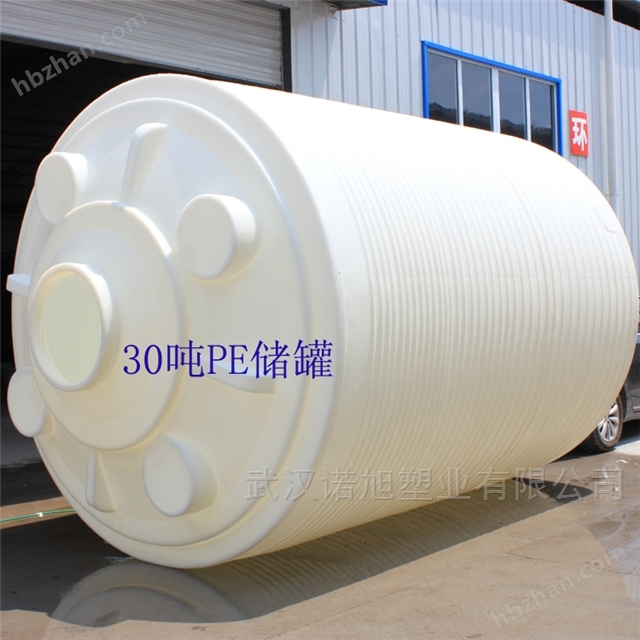
40 cubic meter catalyst storage tank made of PE plastic material, resistant to acid, alkali and corrosion
NegotiableUpdate on 01/09
- Model
- Nature of the Manufacturer
- Producers
- Product Category
- Place of Origin
Overview
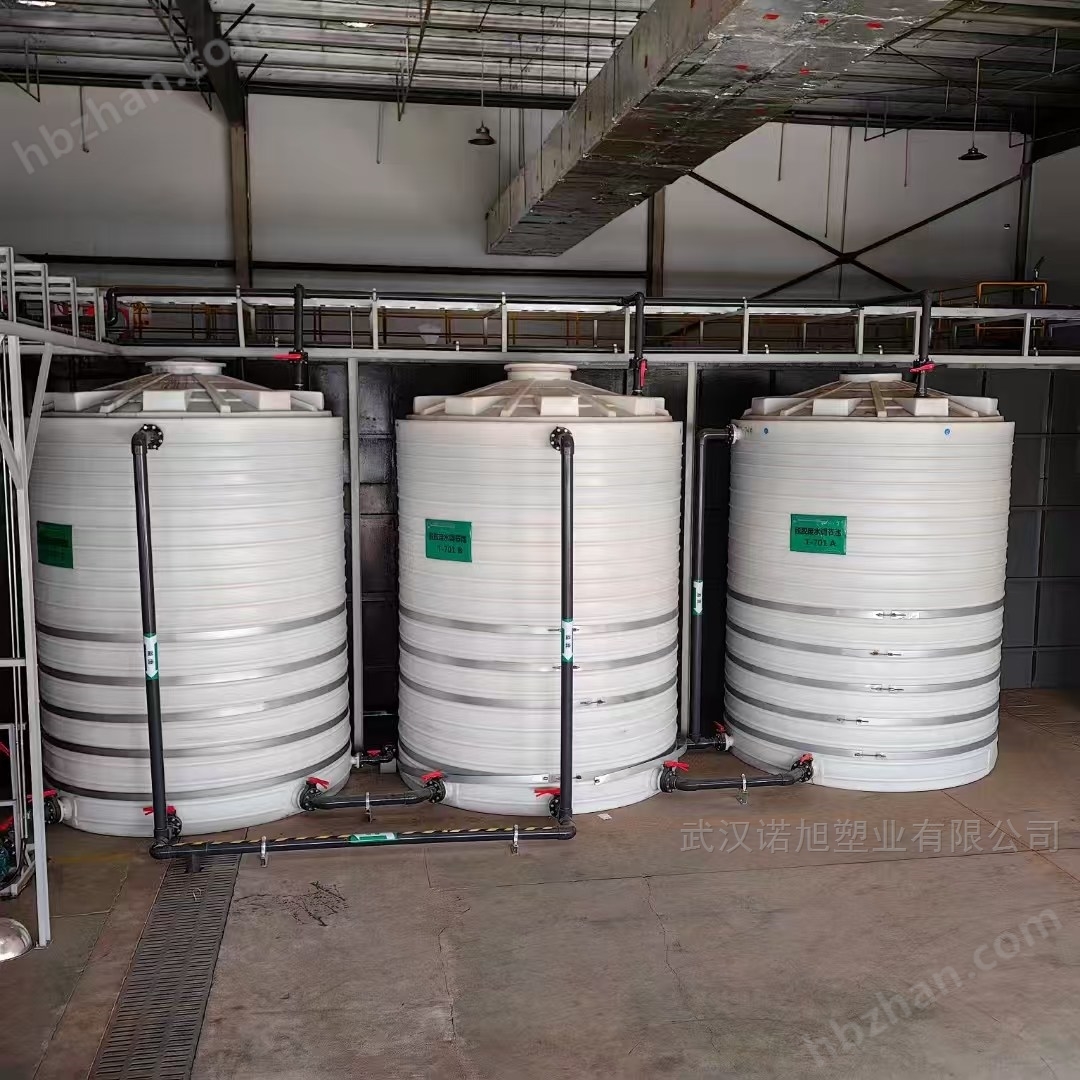
The 40 cubic meter catalyst storage tank is made of PE plastic material, which is resistant to acid, alkali and corrosion. The product is widely used in various industries such as secondary water supply, water storage, water treatment, medicine and food, electronic chemical industry, aquaculture, textile printing and dyeing, petrochemical reagents, acid pickling and electroplating, brewing and sugar production, vegetable pickling, freezing and refrigeration, tea production turnover box, environmental protection and hygiene in high-rise buildings
Product Details
40 cubic meter catalyst storage tank made of PE plastic material, resistant to acid, alkali and corrosion
PE storage tank equipment is an ideal storage container for storing chemical corrosive liquids, room temperature solutions, etc. When transporting it, the following points should be noted:
1. PE storage tank equipment is not allowed to be stacked on other objects to avoid uneven stress on the structural and internal parts of plastic storage tank equipment.
2. To prevent the PE storage tank equipment from swinging out of control during lifting, a guide rope should be tied to the top of the tank at a different position.
3. Be careful during operation to prevent sharp objects such as tools, scaffolding, or other objects from hitting the plastic storage tank equipment. The operator should wear soft soled shoes when entering the PE storage tank equipment. When using a ladder, any contact area with plastic anti-corrosion equipment should be expanded to prevent surface scratches or local overloading.
4. When lifting PE storage tank equipment, it is recommended to use high-strength cloth straps or lifting ropes (diameter * * over 25mm) to lift at the lifting ring position of the tank. When adjusting the position of the storage tank with a fork or crane, it is recommended to use a soft cushion on the fork.


40 cubic meter catalyst storage tank made of PE plastic material, resistant to acid, alkali and corrosion
The following are detailed installation steps and precautions:
1、 Preparation work before installation
1. Foundation construction
Basic requirements:
Material: Concrete (C25 or above), surface treated with anti-corrosion measures (such as epoxy resin coating or asphalt anti-corrosion).
Size: Diameter ≥ tank diameter+0.5m, thickness ≥ 20cm (structural engineer needs to calculate load-bearing capacity).
Flatness: Horizontal error ≤ 3mm/m ², to avoid uneven deformation of the storage tank under stress.
Drainage design: Install drainage ditches around the foundation to prevent water accumulation and corrosion.
Anti seepage cofferdam (optional):
Volume ≥ 110% of the total storage tank capacity (i.e. ≥ 55m ³) to prevent leakage and environmental pollution.
2. Tank acceptance
Inspection items:
There are no cracks, scratches, or deformations on the appearance.
The flange and interface are undamaged, and the sealing gasket is intact.
Attached documents (certificate of conformity, material report, pressure test report).
3. Preparation of tools and personnel
Tools: Crane (over 10 tons), Nylon sling (scratch resistant), spirit level, wrench, PE welding gun (if on-site welding is required).
Personnel: At least 2 installers+1 technical supervisor
2、 Installation steps for storage tanks
1. Lifting and positioning
Lifting method:
Use nylon sling (prohibit direct contact of steel wire rope with the tank body to avoid scratching).
The lifting point should be selected from the special lifting ears or reinforcement positions of the storage tank, and it is strictly prohibited to directly lift flanges or pipelines.
Slowly lift and hover to check balance after leaving the ground, ensuring no tilting.
Placement adjustment:
Rubber pads or PE boards should be placed at the bottom of the storage tank to prevent slipping and corrosion.
Adjust with a spirit level to ensure overall levelness (error ≤ 5mm).
2. Pipeline and accessory connection
Inlet/outlet pipe:
Adopt PP/PE/PVDF material pipeline to avoid metal corrosion.
EPDM or PTFE gaskets are used at flange connections, and bolts need to be treated with anti-corrosion measures (such as plastic coating).
It is recommended to install acid resistant valves (such as fluorine lined ball valves) and filters (to prevent crystallization blockage) at the discharge outlet.
Exhaust and safety devices:
Install a breathing valve at the top (to prevent negative pressure or overpressure).
The liquid level gauge should be of the magnetic flip plate or radar type (to avoid metal contact with the solution).
3. Fixation and reinforcement
Wind and earthquake resistance:
Install steel clamps (stainless steel 304 or carbon steel+anti-corrosion coating) around the storage tank and fix them to the concrete foundation.
The earthquake zone area needs to increase the use of anchor bolts for fixation.
UV protection (PE/PP storage tank):
Wrap the outer surface with aluminum foil tape or apply UV resistant coating to extend its lifespan.
3、 Post installation inspection and testing
1. Sealing test
Water pressure test:
Fill with clean water, let it stand for 24 hours, and check that there is no leakage in the tank and interface.
Use soapy water to detect bubbles at the flange connection.
2. System trial operation
Add liquid:
Inject a small amount of ferric chloride solution (10%~20% capacity) first, observe for 24 hours without any abnormalities, and then operate at full load.
Check if the supporting equipment such as level gauges, valves, pumps, etc. are functioning properly.
4、 Safety and maintenance precautions
1. Safety protection
Corrosion prevention:
Operators should wear acid resistant gloves and goggles.
Rinse with a large amount of water when leaking (FeCl ∝ can be diluted with water to reduce corrosiveness).
Fire and explosion prevention:
Keep away from heat sources and prohibit welding operations near storage tanks (HCl gas is flammable).
2. Daily maintenance
Monthly inspection:
Check for any expansion or cracks in the tank body (especially during low temperatures in winter).
Whether the flange gasket is aging and whether the bolts are loose.
Annual comprehensive testing:
Wall thickness measurement (ultrasonic testing) to prevent long-term corrosion and thinning.
5、 Comparison of Installation Plans for 50m ³ Storage Tanks
Project HDPE rotational molding storage tank, steel lined plastic storage tank, fiberglass storage tank
Low installation difficulty (overall lifting), medium (requiring welding of lining layer), high (requiring professional construction)
Excellent corrosion resistance (no weld seam) Good (weld seam prone to leakage) Excellent (resin matching required)
Low cost (30000 to 60000 yuan), medium cost (80000 to 120000 yuan), high cost (150000 to 200000 yuan)
Recommended scenarios include normal temperature, low concentration (<30%) under pressure, high temperature requiring high concentration, and special corrosive environments
summary
The installation of a 50m ³ ferric chloride storage tank requires special attention to foundation flatness, lifting safety, pipeline corrosion prevention, and sealing testing. HDPE rotational molding storage tanks are economical and durable, but steel lined plastic or fiberglass is required for high concentration or high temperature conditions. Regular maintenance can extend the lifespan of storage tanks to over 10 years.
Similar Product Recommend