-
E-mail
2893668656@qq.com
-
Phone
13180201760
-
Address
China Investment Corporation Manufacturing Base, North Section of Chang'an Road, Dingzhou City, Hebei Province
Product Categories
Hebei Anjie Environmental Protection Engineering Co., Ltd


Advantages of external water tank sterilizer
NegotiableUpdate on 02/15
- Model
- Nature of the Manufacturer
- Producers
- Product Category
- Place of Origin
Overview
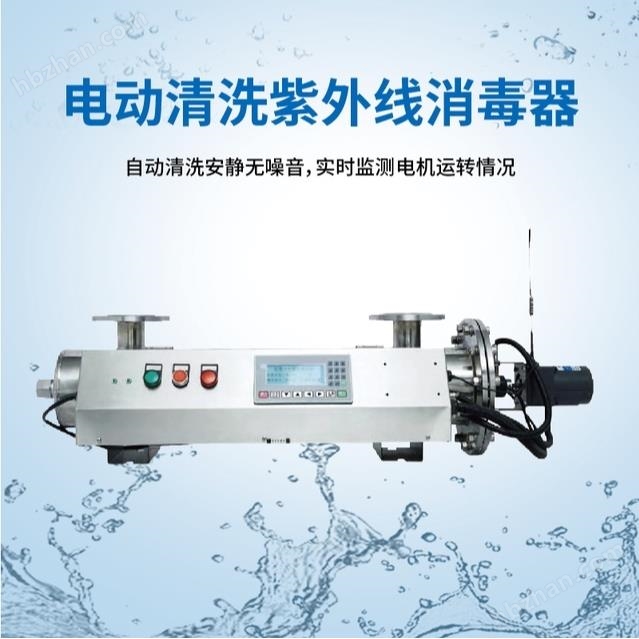
The advantage of an external water tank sterilizer is that it utilizes the strong oxidizing properties of ozone to kill microorganisms such as bacteria, viruses, and algae in water, and has a significant inactivation rate against common pathogens such as Legionella and Escherichia coli.
Product Details
Advantages of external water tank sterilizer:
Continuous disinfection capability: The 24-hour circulation treatment mode ensures long-term stability of water quality and avoids fluctuations in the effectiveness of traditional disinfection methods.
Reduce operation and maintenance costs: No need for manual addition of disinfectants, reducing the cost of chemical agent procurement and residue disposal.
Extend equipment lifespan: By inhibiting the formation of biofilm on the inner wall of the water tank, the corrosion rate of the metal water tank is slowed down.
Enhance water experience: eliminate water body odor and color, improve the sensory quality of domestic water such as bathing and washing.
Advantages of external water tank sterilizerStand out with its powerful disinfection ability. Ozone, as a strong oxidant, can quickly destroy the structure of microorganisms such as bacteria, viruses, and fungi, eliminating them. Both common Escherichia coli and stubborn influenza viruses have nowhere to hide under the attack of ozone. For medical facilities such as hospitals and clinics, this is undoubtedly a strong defense line to protect the health of patients and medical staff; In the home, it can also effectively prevent the spread of bacteria and create a safe living environment for family members. External disinfectors also perform well in terms of environmental protection. It does not produce secondary pollution during the disinfection process, and after disinfection is completed, ozone will automatically decompose into oxygen, which is environmentally friendly. Whether in public or private spaces, external disinfectors provide efficient, convenient, and environmentally friendly features to safeguard our lives and health.
Application field
Secondary water supply system: disinfection of roof water tanks and underground water tanks in high-rise residential and office buildings.
Fire emergency water storage: Regular sterilization and algae prevention for fire water pools and fountain water features.
Industrial water treatment: Microbial control of cooling circulating water and process water.
Agricultural irrigation: Purification of water storage facilities for aquaculture and greenhouse irrigation.
Civil facilities: continuous disinfection of swimming pools, landscape fountains, and rural centralized water supply tanks.


Similar Product Recommend