-
E-mail
1344278133@qq.com
-
Phone
13361534520
-
Address
905 Yintai Building, Yong'an Road, Weicheng District, Weifang City
Product Categories
Weifang Hengtai Environmental Protection Engineering Co., Ltd


Integrated sewage treatment hospital sewage equipment
NegotiableUpdate on 02/24
- Model
- Nature of the Manufacturer
- Producers
- Product Category
- Place of Origin
Overview
The integrated sewage treatment hospital sewage equipment collects sewage from the drainage system, enters the grid well of the sewage treatment plant, removes particles and debris, and enters the regulating tank for homogenization and equalization. The regulating tank is equipped with a liquid level controller, and the signal is transmitted through the liquid level controller. It is then pumped by a lift pump to the biological contact oxidation tank for acidification hydrolysis and nitrification denitrification, reducing the concentration of organic matter and removing some ammonia nitrogen. Then it flows into the O-level biological contact oxidation tank for aerobic biochemical reaction. The O-level biological tank is divided into two stages, where the vast majority of organic pollutants are degraded through biological oxidation and adsorption. The effluent flows to the secondary sedimentation tank for solid-liquid separation,
Product Details
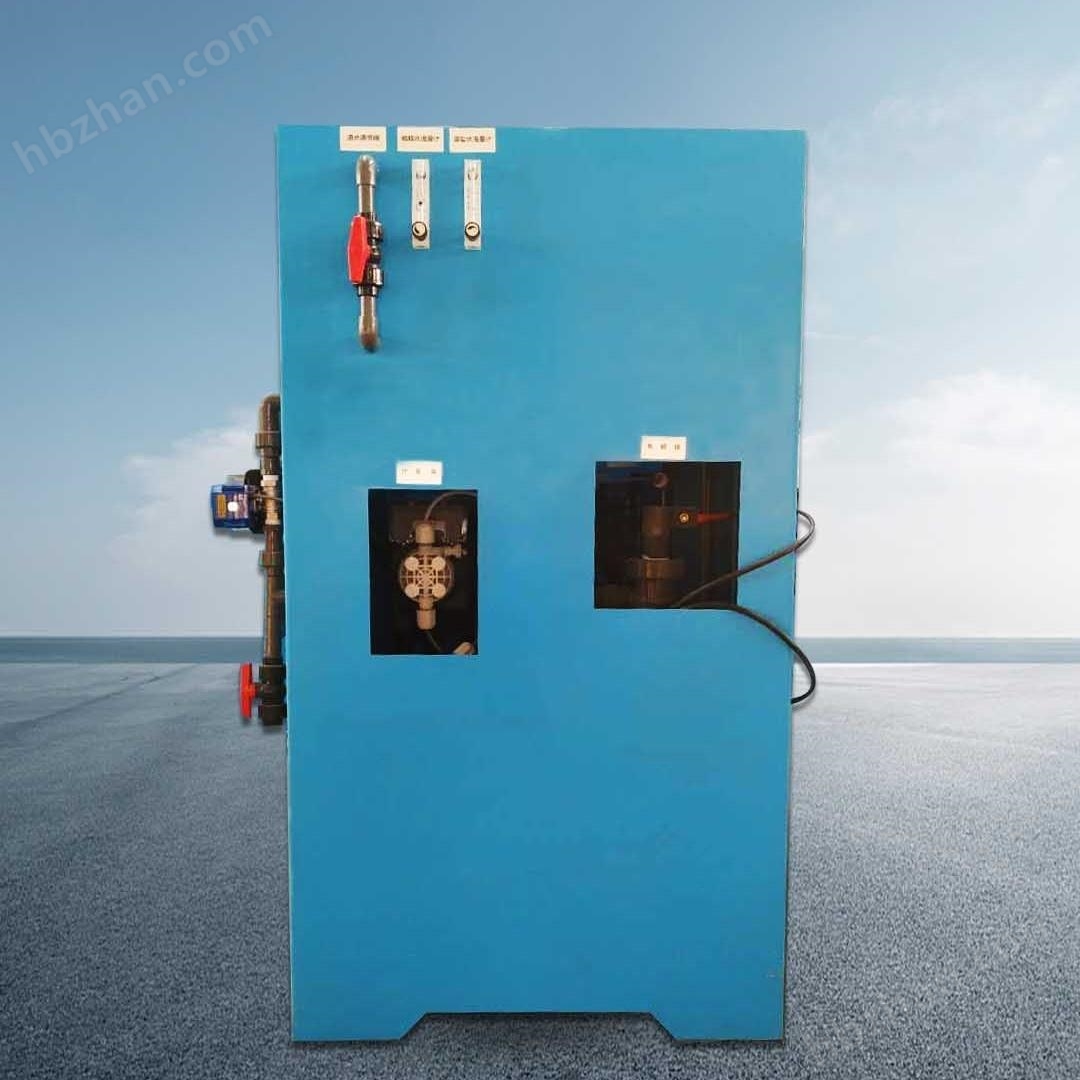
Integrated sewage treatment hospital sewage equipment
Hospital sewage refers to the wastewater discharged by hospitals (general hospitals, specialized hospitals, and other types of hospitals) into the natural environment or urban pipelines. The water quality varies depending on the nature, scale, and location of different hospitals. The daily discharge of sewage from each hospital bed is about 200-600L. The main pollutants contained in hospital sewage are pathogens (parasite eggs, pathogens, viruses, etc.), organic matter, floating and suspended solids, radioactive pollutants, etc. The total amount of bacteria in untreated raw sewage is more than 10 ^ 8/mL. The principle of hospital sewage treatment is to separate the quality and flow, treat local areas separately, and eliminate pollution at the nearest source. The main treatment methods are biochemistry and disinfection. Compared with industrial wastewater, it has the characteristics of small water volume and strong pollution power. If left unchecked, it will inevitably pollute the water quality of the receiving water and spread diseases.
The principle of integrated hospital sewage treatment equipment is to integrate the various units of sewage treatment into carbon steel or fiberglass structure integrated equipment for small and medium-sized comprehensive hospitals, specialized hospitals, clinics, township health centers and other medical units with low water volume and small footprint, in order to achieve the goal of purifying water quality.
The principle of integrated hospital sewage treatment equipment adopts the treatment process of "biological contact oxidation+disinfection" to treat the hospitalsewageProcess it. The biological contact oxidation method is a wastewater biological treatment method derived from the biofilm method, which involves filling a certain amount of packing material in the biological contact oxidation tank, utilizing the biofilm attached to the packing material and sufficient oxygen supply to oxidize and decompose the organic matter in the wastewater through biological oxidation, achieving the purpose of purification. Add disinfection afterwards to kill bacteria and toxic substances in the sewage, and discharge the effluent in compliance with standards.
The process flowchart is shown below:

After being collected by the drainage system, the sewage enters the grid well of the sewage treatment plant to remove particles and debris. It then enters the regulating tank for homogenization and equalization. A liquid level controller is installed in the regulating tank, and signals are transmitted through the liquid level controller. The sewage is then pumped to the biological contact oxidation tank for acidification, hydrolysis, nitrification, and denitrification, reducing the concentration of organic matter and removing some ammonia nitrogen. It then flows into the O-level biological contact oxidation tank for aerobic biochemical reactions. The O-level biological tank is divided into two stages, where the vast majority of organic pollutants are degraded through biological oxidation and adsorption. The effluent flows to the secondary sedimentation tank for solid-liquid separation, and the supernatant tank of the sedimentation tank is disinfected. The clean water flows into the clean water tank and is directly reused or discharged after meeting the standard.
The debris intercepted by the grille is regularly loaded into a small car and dumped into the garbage dump. Part of the sludge in the secondary sedimentation tank flows back to the biological treatment tank, while another part of the sludge is digested in the sludge tank and regularly pumped out. The clear liquid on the sludge tank flows back to the regulating tank for further treatment.
Integrated sewage treatment hospital sewage equipment
Similar Product Recommend