-
E-mail
3008713918@qq.com
-
Phone
15821596221
-
Address
No. 253 Yulu Road, Malu Town, Jiading District, Shanghai
Product Categories
Ankerui Electric Co., Ltd
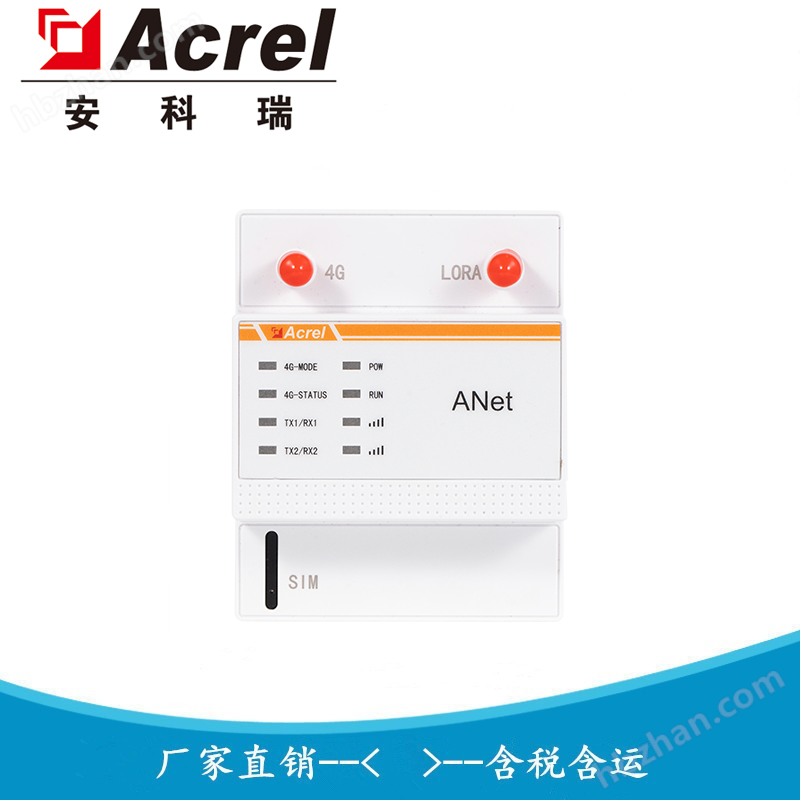


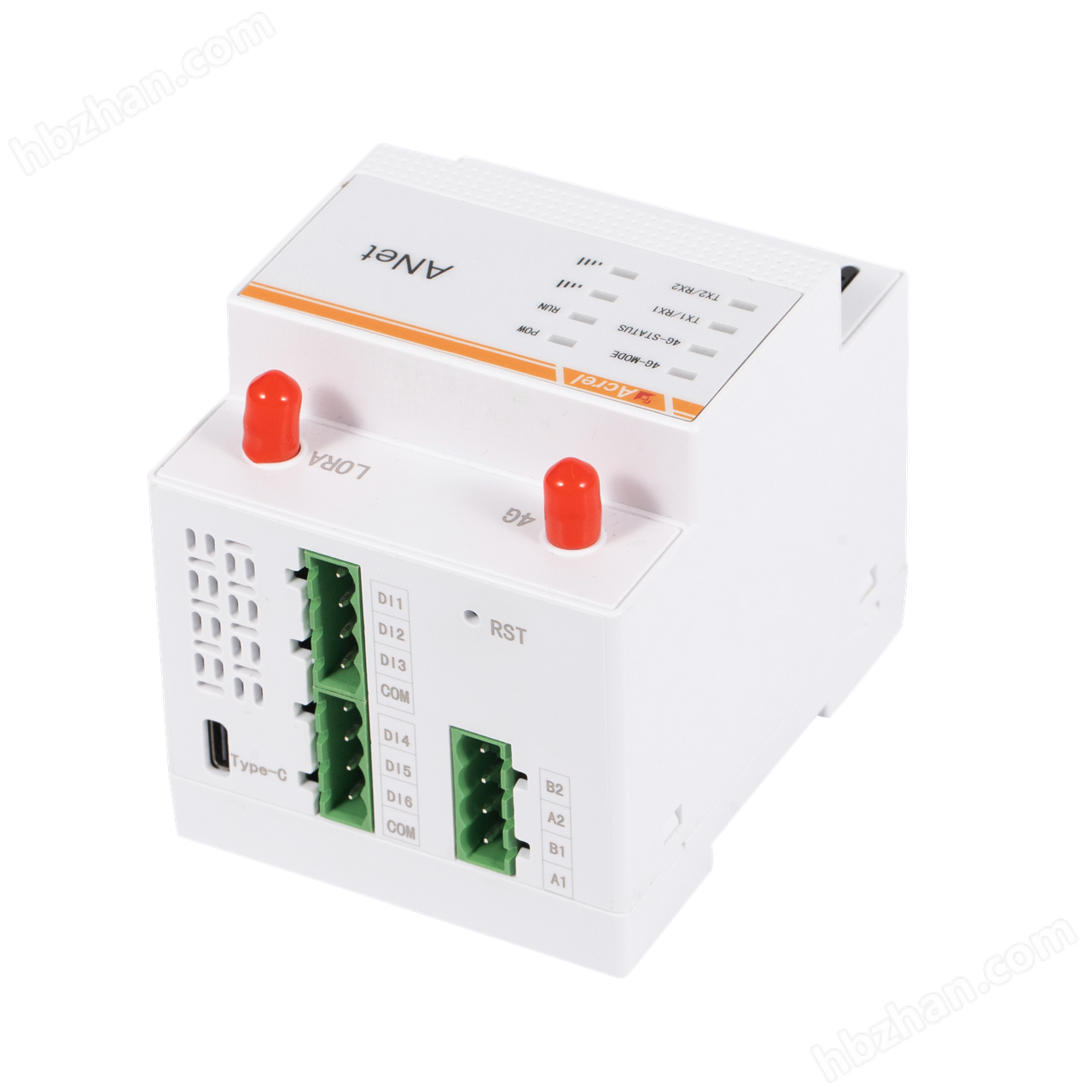
IoT collection gateway
NegotiableUpdate on 04/04
- Model
- Nature of the Manufacturer
- Producers
- Product Category
- Place of Origin
Overview
The functional architecture of the IoT data acquisition gateway is centered around "data lifecycle management", covering four major modules: data acquisition, processing, transmission, and management, forming an efficient closed loop from the device end to the cloud.
Product Details
1、 Product Overview: Definition and Core Values
The IoT Data Acquisition Gateway is an "industrial nerve center" that connects the physical and digital worlds, designed to address pain points such as protocol fragmentation, data islanding, and low transmission security in traditional manufacturing equipment. As a key node of edge computing and cloud collaboration, it realizes efficient collection, cleaning, aggregation and cloud uploading of terminal data of factory equipment, sensors, PLC and other devices through multi protocol analysis, real-time data processing, encryption and transmission, and builds a foundation for digital decision-making for enterprises.
2、 Core values:
In the process of implementing the Internet of Things, problems such as complex device types, diverse communication protocols, unstable network environments, and data security risks have long existed. The IoT data acquisition gateway provides systematic solutions to these challenges through the following core values:
1. Break the "protocol island" and achieve device interconnection and interoperability
There are numerous brands of industrial field equipment with different protocol standards, forming a "language barrier" between different devices. The data acquisition gateway is equipped with a built-in multi protocol parsing engine, which supports fast access to industrial protocols and custom protocols. It can achieve "plug and play" interconnection without the need to modify existing devices, greatly reducing the complexity and cost of system integration.
2. Enable edge computing to improve real-time performance and efficiency
In scenarios such as intelligent manufacturing and smart energy that require high real-time performance, uploading all data to the cloud for processing will result in latency and bandwidth pressure. The data acquisition gateway has edge computing capability, and can complete data cleaning, filtering, aggregation, analysis and other operations locally. For example, in the scenario of device failure warning, the gateway can monitor real-time data such as vibration and temperature, quickly identify anomalies through built-in algorithms, and trigger local alarms without the need for cloud intervention to achieve millisecond level response.
3. Flexible adaptation to complex environments to ensure stable operation
The Internet of Things has a wide range of application scenarios, from high-temperature and high humidity factory workshops to remote and unmanned field oil fields, with vastly different environmental conditions. The data acquisition gateway adopts industrial grade hardware design, with characteristics such as wide temperature operation, dust and water resistance, electromagnetic compatibility, etc. It can operate stably in complex environments such as harsh environments and strong electromagnetic interference. At the same time, it supports the integration of wired and wireless networks, and can automatically switch network connections according to on-site conditions to ensure the continuity of data transmission.
4. Data security protection, building a strong digital defense line
With the rapid increase in the number of IoT devices, data security issues are becoming increasingly prominent. The data acquisition gateway constructs a security protection system from three levels: hardware, communication, and data. At the hardware level, it supports encryption chips and secure boot; At the communication level, encryption technology is used to prevent data from being tampered with during transmission; At the data level, mechanisms such as permission management and operational auditing ensure the legality and traceability of data access, meeting security and compliance requirements such as cybersecurity and industry standards.
5. Reduce operation and maintenance costs, simplify management processes
Support remote configuration, monitoring, and upgrading. Operations personnel can view real-time device operation status, network signal quality, data transmission traffic, and other information through the cloud platform, quickly locate faults, and perform remote maintenance. In addition, the gateway has breakpoint retransmission and data caching functions. Even if the network is interrupted, device data will not be lost and will automatically be re transmitted after the network is restored to ensure data integrity.
3、 Functional architecture:
The functional architecture of the IoT data acquisition gateway is centered around "data lifecycle management", covering four major modules: data acquisition, processing, transmission, and management, forming an efficient closed loop from the device end to the cloud.
1. Data collection module:
Data collection is the fundamental capability of gateways, which enables comprehensive collection of analog, digital, serial, and network data through rich physical interfaces (connecting various devices). Whether it is real-time values from temperature sensors, the operating status of PLCs, or even image data from cameras, they can be accurately captured.
2. Protocol conversion module:
Based on the protocol differences of different devices, the gateway has a built-in protocol conversion engine that supports the mutual conversion of multiple protocols.
3. Edge processing module:
Edge processing capability is the core competitiveness of modern gateways, including:
Data cleaning: removing outliers and duplicate values, filling in missing values, and improving data quality;
Data aggregation: Aggregate high-frequency collected data according to dimensions such as time and type to reduce the amount of transmitted data;
Real time analysis: Built in rule engine or lightweight AI model, realizing functions such as threshold alarm, trend prediction, and logical linkage;
Local storage: Supports local storage media such as SD cards and eMMC, enabling temporary storage and breakpoint resume of data.
4. Data transmission module:
The gateway supports multiple communication methods and can be flexibly selected according to the needs of the scenario. For example, using 4G/5G communication in remote areas and Ethernet or Wi Fi in factory workshops.
5. Equipment management module:
Through the web management interface or cloud platform, remote configuration, firmware upgrade, status monitoring, log management, and other operations of the gateway can be achieved. Support batch management, capable of simultaneously issuing and upgrading parameters to multiple gateways, greatly improving operational efficiency. In addition, API interfaces are provided to facilitate integration with existing IT systems of enterprises and achieve unified management.


