-
E-mail
3008713918@qq.com
-
Phone
15821596221
-
Address
No. 253 Yulu Road, Malu Town, Jiading District, Shanghai
Product Categories
Ankerui Electric Co., Ltd
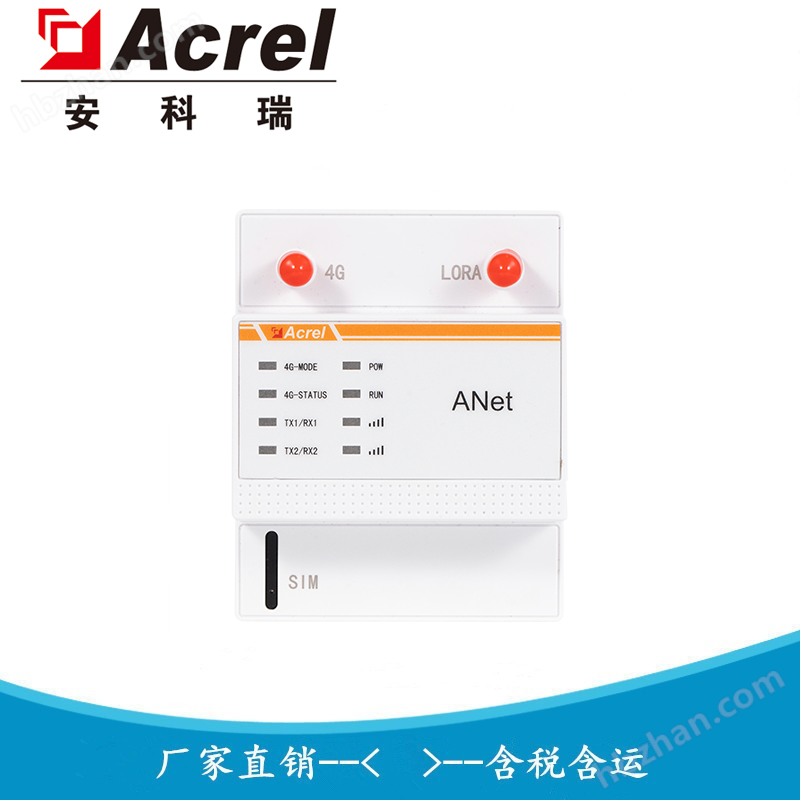


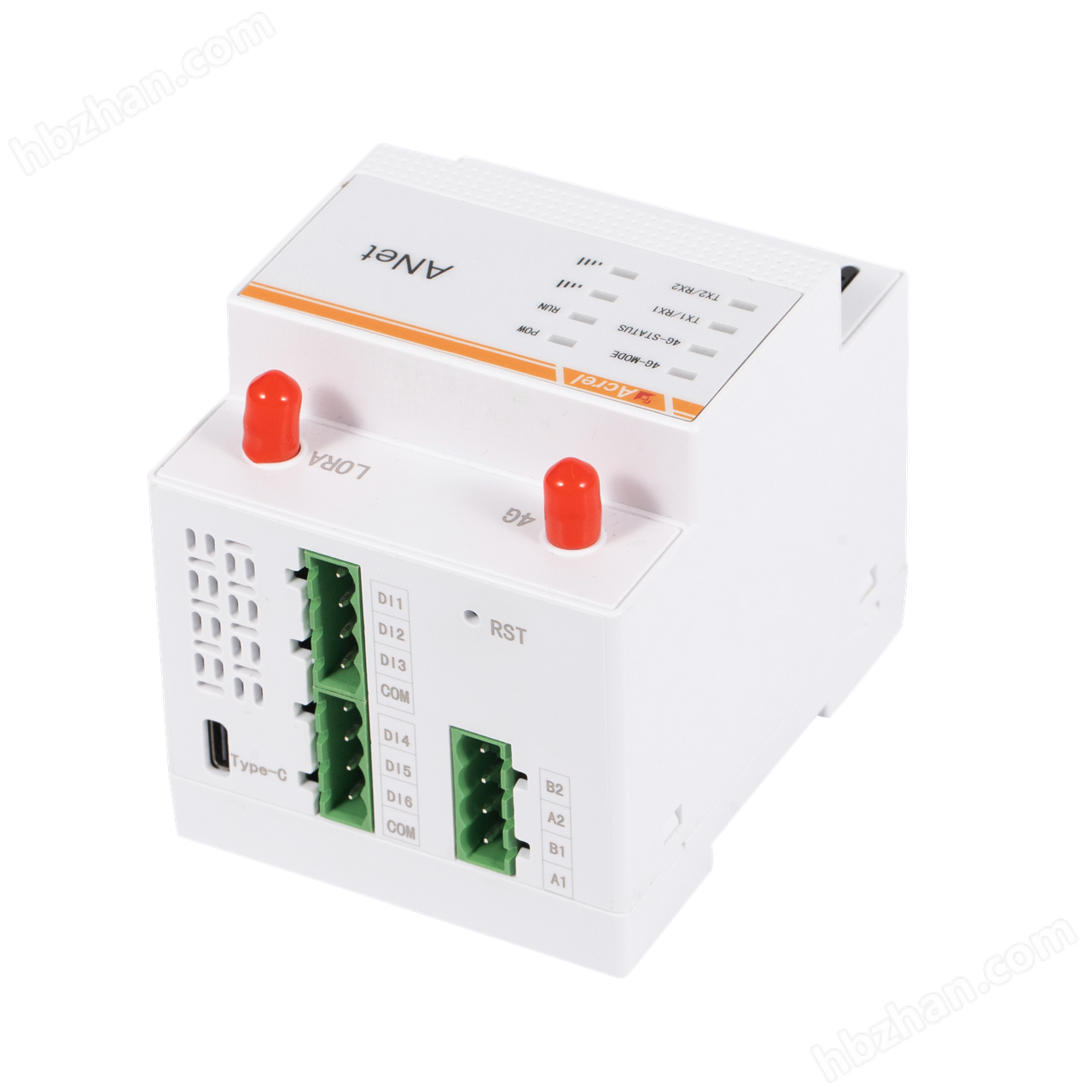
IoT data collection gateway
NegotiableUpdate on 04/04
- Model
- Nature of the Manufacturer
- Producers
- Product Category
- Place of Origin
Overview
In the era of accelerated development of Industry 4.0, smart energy, smart buildings, and digital cities, the data generated by massive terminal devices urgently needs to be efficiently, securely, and reliably collected, transmitted, and integrated. The Internet of Things data acquisition gateway, as a key hub connecting "edge devices" and "cloud platforms", is becoming a core component in building the infrastructure of the Internet of Things.
Product Details
Introduction to IoT Data Acquisition Gateway Products
In the era of accelerated development of Industry 4.0, smart energy, smart buildings, and digital cities, the data generated by massive terminal devices urgently needs to be efficiently, securely, and reliably collected, transmitted, and integrated. The Internet of Things data acquisition gateway, as a key hub connecting "edge devices" and "cloud platforms", is becoming a core component in building the infrastructure of the Internet of Things.
1、 Product positioning: A data bridge for edge intelligence
The IoT data acquisition gateway is deployed on the on-site side (such as distribution rooms, factory workshops, building computer rooms), responsible for connecting various heterogeneous devices (such as electricity meters, water meters, PLCs, sensors, inverters, air conditioning units, etc.), collecting their operational data uniformly, and uploading it to the cloud platform or local management system through standardized protocols. It is not only a "protocol translator", but also an intelligent edge node with edge computing, data filtering, breakpoint continuation and local control capabilities.
2、 Core functional highlights
1. Multi protocol compatible access
Supports multiple industrial and IoT protocols, and can simultaneously connect dozens to hundreds of devices.
2. High concurrency data collection
Built in high-performance processor and multi-channel communication interface, supporting millisecond level polling to ensure data real-time and integrity.
3. edge computing and data preprocessing
It can complete data cleaning, unit conversion, threshold alarm, energy consumption accumulation, power factor calculation and other logic locally, reducing invalid data uploading, bandwidth pressure and cloud platform load.
4. Network interruption and local caching
Automatically cache data in case of network interruption, and automatically re transmit after recovery to ensure data is not lost.
5. Remote Configuration and Firmware Upgrade (OTA)
Without on-site operation, operation and maintenance personnel can remotely modify the collection point table, communication parameters, alarm rules, and even upgrade firmware through the cloud platform, greatly improving maintenance efficiency.
6. Local linkage control
Support rule-based local logic control (such as "temperature exceeds limit → start fan"), even if the cloud is lost, critical controls can still be executed, improving system reliability.
3、 Technical architecture advantages
Hardware reliability: Industrial grade design, wide temperature range, dust-proof and moisture-proof, EMC anti-interference, suitable for harsh environments.
Software flexibility: adopting a modular software architecture, supporting user-defined scripts to extend business logic.
Low power wide area support: Integrated NB IoT/4G module, suitable for remote sites without wired network coverage (such as photovoltaic power stations and water monitoring points).
High security: Supports TLS/SSL encryption, firewall, access whitelist, to prevent data leakage and illegal access.
Plug and play: Provides graphical configuration tools to complete device binding and data mapping in 5 minutes, reducing the threshold for use.
4、 Typical application scenarios
| Application field | Typical use |
| Smart Energy | Collect data from photovoltaic inverters, energy storage PCS, and smart meters to support microgrid scheduling and energy efficiency analysis |
| Smart Building | Integrate HVAC, lighting, elevator, and fire protection systems to achieve building automation and energy-saving management |
| Industrial Internet of Things | Connect PLC, CNC machine tools, and production line sensors to build an equipment health monitoring and predictive maintenance system |
| Smart Water | Collect data from water meters, water pumps, and water quality sensors to achieve leakage analysis and remote monitoring of pumping stations |
| charging facilities | Aggregate the operational status, battery level, and fault information of multiple charging stations and integrate them into the operation platform in a unified manner |
| Agricultural Internet of Things | Integrate soil temperature and humidity, meteorological stations, and irrigation controllers to achieve precision agricultural management |


