-
E-mail
1769283299@qq.com
-
Phone
15666889252
-
Address
Room 207, Building 1, Weifang High tech Zone Optoelectronic Industry Accelerator (Phase I), No. 155 Optical Circuit, Weifang High tech Zone, Shandong Province
Product Categories
Shandong Jingdao Optoelectronics Technology Co., Ltd
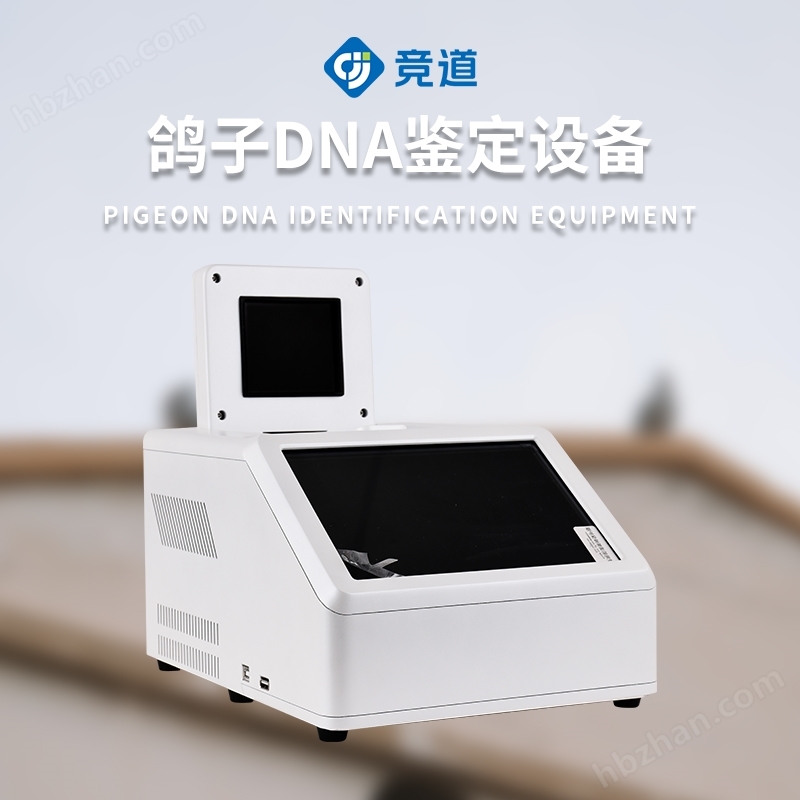


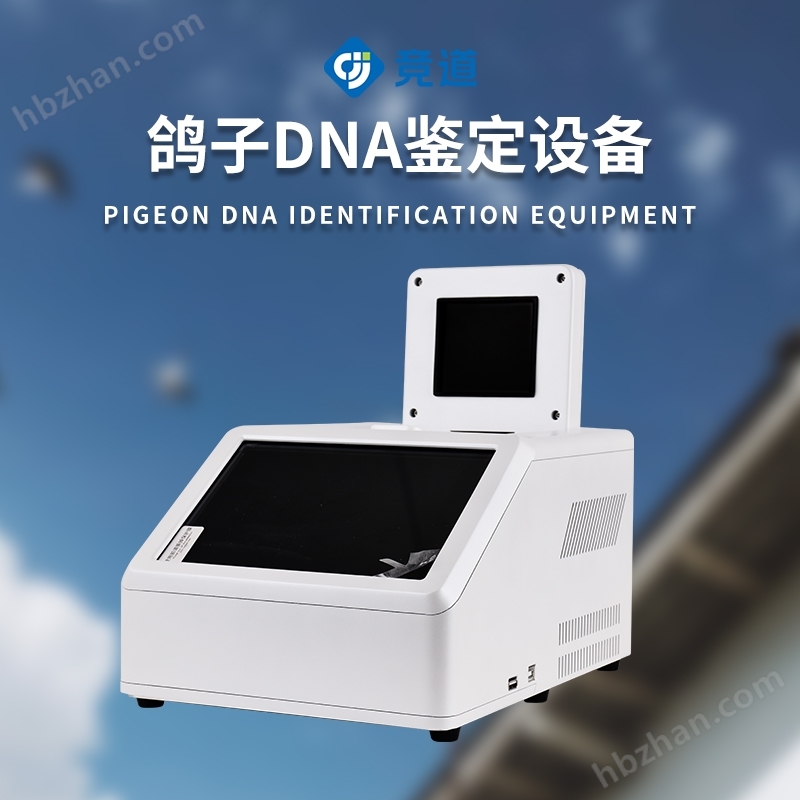
Pigeon DNA testing instrument
NegotiableUpdate on 02/22
- Model
- Nature of the Manufacturer
- Producers
- Product Category
- Place of Origin
Overview
The pigeon DNA detection instrument adopts daylighting detection processing technology, which automatically adjusts the fluorescence background, improves the sensitivity and signal-to-noise ratio of the fluorescence signal, and obtains better results; Given that certain genes in racing pigeons have a significant impact on their athletic ability, through reference to literature and European testing experience, combined with existing innovative technologies, it has been found that the homing ability (DRD4) index, endurance (LDHA) index, and cryptochrome pigment (CRY1) index have important reference value in breeding racing pigeon flight ability and other aspects
Product Details
Pigeon DNA testing instrumentFor a long time, having a good bloodline has been considered an important factor affecting competition performance, and the so-called good bloodline refers to specific heritable genotypes. Given that certain genes in racing pigeons have a significant impact on their athletic ability, through reference to literature and European testing experience, combined with existing innovative technologies, it has been found that the homing ability (DRD4) index, endurance (LDHA) index, and cryptochrome (CRY1) index have important reference roles in breeding the flight ability of racing pigeons. By detecting these indicators, a more scientific reference basis can be provided for pigeon enthusiasts in the process of selecting racing pigeons and breeding pigeons.
Our company has developed a pigeon flying ability identification device based on the above-mentioned genetic research, which can simultaneously identify genes that affect flying ability, including pigeon male and female gender identification, homing ability DRD4, endurance LDHA, navigation ability, and circadian rhythm CRY1.
Pigeon DNA testing instrumentBasic structure of the instrument
The real-time fluorescence quantitative PCR system is an instrument for real-time detection of reactions, mainly composed of a gene amplification thermal cycle system, a fluorescence real-time detection system, a microcircuit control system, a computer, and application software. Two core functional modules are: thermal cycling system and real-time fluorescence detection system. The working principle of the gene amplification thermal cycle system is basically the same as that of traditional gene amplification instruments, using semiconductor heating and cooling to complete the thermal cycle process. The fluorescence detection system mainly consists of fluorescence excitation components, optical signal transmission components, fluorescence detection components, and control systems.

Instrument features:
1. Small size, light weight, easy to carry, compatible with 0.2PCR single tube and eight tube;
2. Adopting the American MARLOW customized Peltier module high-level semiconductor chip and the new generation of semiconductor temperature rise and fall technology, the fast temperature change rate can reach 7 degrees per second, and the service life can reach one million cycles;
3. The adopted lighting detection and processing technology automatically adjusts the fluorescence background, improves the sensitivity and signal-to-noise ratio of the fluorescence signal, and obtains better results;
4. 13S four channel fast lighting, stable fluorescence acquisition signal, reducing delay error;
5. Adopting maintenance free long-life LED light source, no need for replacement, independent fluorescent channel, and less crosstalk between different channels;
6. Constant current control circuit, smooth power output, extended Peltier life, and improved temperature control accuracy;
7. It has protection functions such as overcurrent and over temperature;
8. Powerful software analysis capabilities, including quantitative analysis, melting curve analysis, gene typing, etc. The analysis software has been upgraded to support software customization for different industries;
9. Comes with a 10 inch color touch screen control.
Technical Specifications:
Dimensions: 235mm * 385mm * 175mm (width * depth * height)
Weight: 5.8Kg
Electrical parameters:~220V/50Hz, 255W
Data interface: USB 2.0 * 2
Operating conditions: Temperature: 10-30 ℃, Humidity: 20%~80%
Transportation and storage conditions: temperature: -20~55 ℃, humidity: 20%~80%
Altitude:<2500 meters
Noise level: A-weighted,<60dB
Sample size: 32 * 0.2mL
Test tube type: 0.2PCR single tube, eight row tube
Sample volume: 15-100uL
Heating/cooling method: semiconductor heating/cooling
Temperature range: 4 ℃ -99 ℃
High heating rate: ≤ 5.5 ℃/s (MAX)
Average heating rate: ≥ 3.5 ℃/s
Large cooling rate: ≤ 4.5 ℃/s (MAX)
Average cooling rate: ≥ 2.5 ℃/s
Temperature control accuracy: ≤± 0.01 ℃
Temperature accuracy: ≤± 0.1 ℃
Temperature uniformity: ≤± 0.3 ℃
Number of fluorescence detection channels: 4 channels
Light emitting device: high brightness LED
Lighting device: high sensitivity, high signal-to-noise ratio photodiode
Compatible probe or dye: Channel: 470/520 FAM, SYBR Green
Second channel: 530/570 HEX, JOE, VIC
Third channel: 580/610 ROX, CY3.5, Texas Red
Fourth channel: 630/670 CY5
Detection sensitivity: 1 copy
Linear detection range: 100-1010 copies
Linear correlation coefficient: ≥ 0.999
Channel crosstalk: no crosstalk
Detection repeatability: ≤ 1.0%