-
E-mail
309599218@qq.com
-
Phone
18971242425
-
Address
Room 10, Building 9, 5th Floor, Building 03, Fenghuang Industrial Park (Wuhan China Optics Valley Cultural and Creative Industry Park), No. 52 Liufang Avenue, Fozuling Street, Donghu New Technology Development Zone, Wuhan City, Hubei Province, China
Product Categories
Wuhan Nuoxu Plastic Industry Co., Ltd


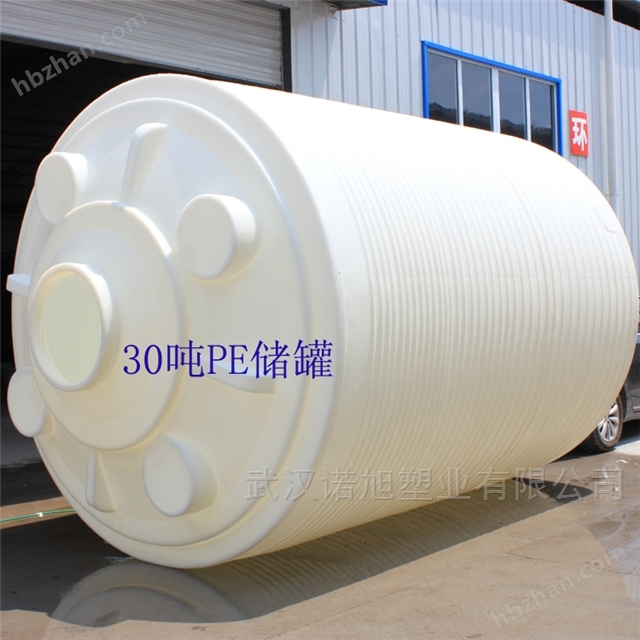
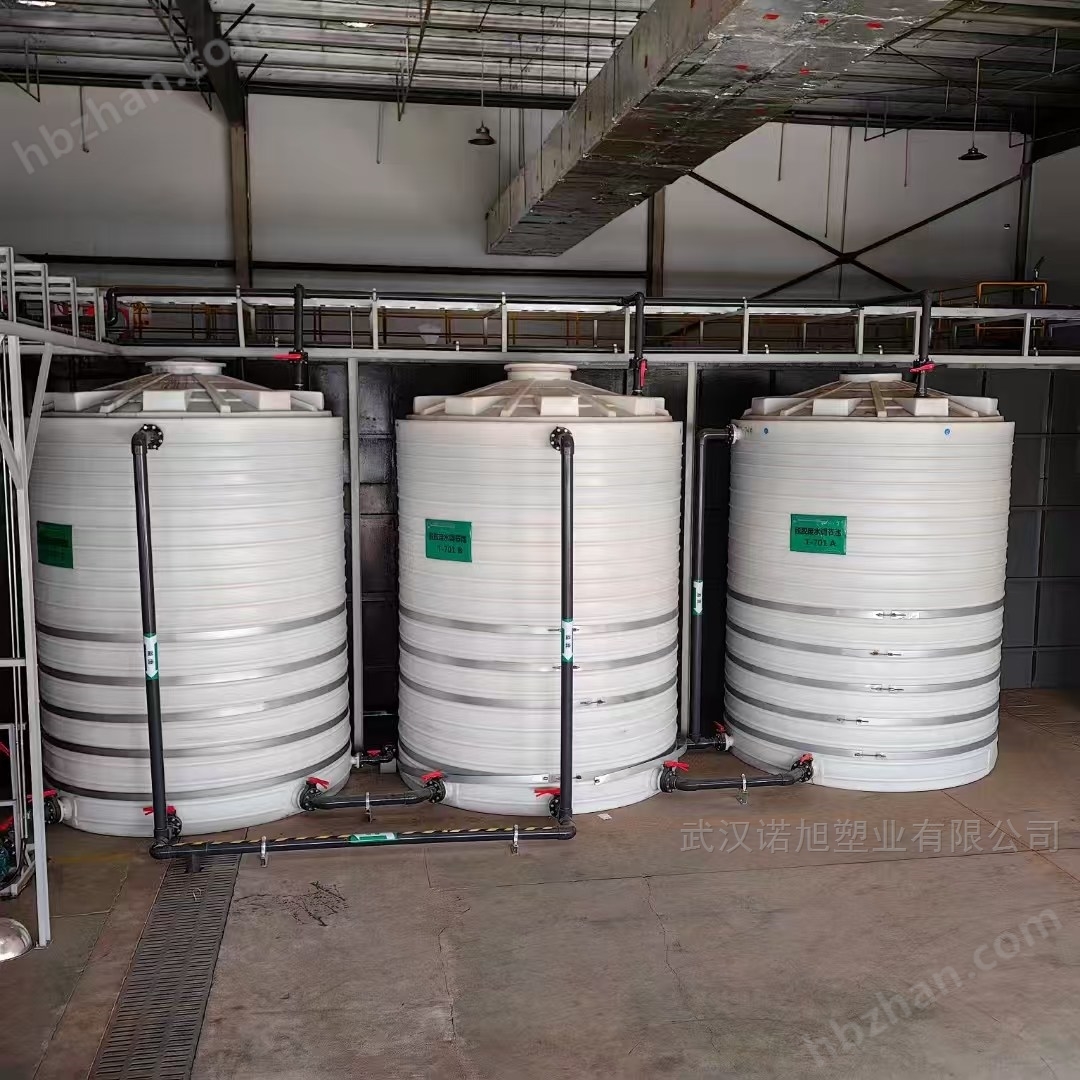
Plastic storage tank for sewage treatment plant, made of PE material, 30 tons PAC mixing drum
NegotiableUpdate on 01/09
- Model
- Nature of the Manufacturer
- Producers
- Product Category
- Place of Origin
Overview
Plastic storage tanks for sewage treatment plants made of PE material and 30 tons of PAC mixing drums are widely used in various industries such as secondary water supply, storage, water treatment, medicine and food, electronic chemicals, aquaculture, textile printing and dyeing, petrochemical reagents, acid pickling and electroplating, brewing and sugar production, vegetable pickling, freezing and refrigeration, tea production turnover boxes, environmental protection and hygiene in high-rise buildings
Product Details
Plastic storage tank for sewage treatment plant, made of PE material, 30 tons PAC mixing drum
PE storage tank equipment is an ideal storage container for storing chemical corrosive liquids, room temperature solutions, etc. When transporting it, the following points should be noted:
1. PE storage tank equipment is not allowed to be stacked on other objects to avoid uneven stress on the structural and internal parts of plastic storage tank equipment.
2. To prevent the PE storage tank equipment from swinging out of control during lifting, a guide rope should be tied to the position of the tank at the * * exchange point.
3. Be careful during operation to prevent sharp objects such as tools, scaffolding, or other objects from hitting the plastic storage tank equipment. The operator should wear soft soled shoes when entering the PE storage tank equipment. When using a ladder, any contact area with plastic anti-corrosion equipment should be expanded to prevent surface scratches or local overloading.
4. When lifting PE storage tank equipment, it is recommended to use high-strength cloth straps or lifting ropes (with a diameter of over 25mm) to lift at the lifting ring position of the tank. When adjusting the position of the storage tank with a fork or crane, it is recommended to use a soft cushion on the fork.
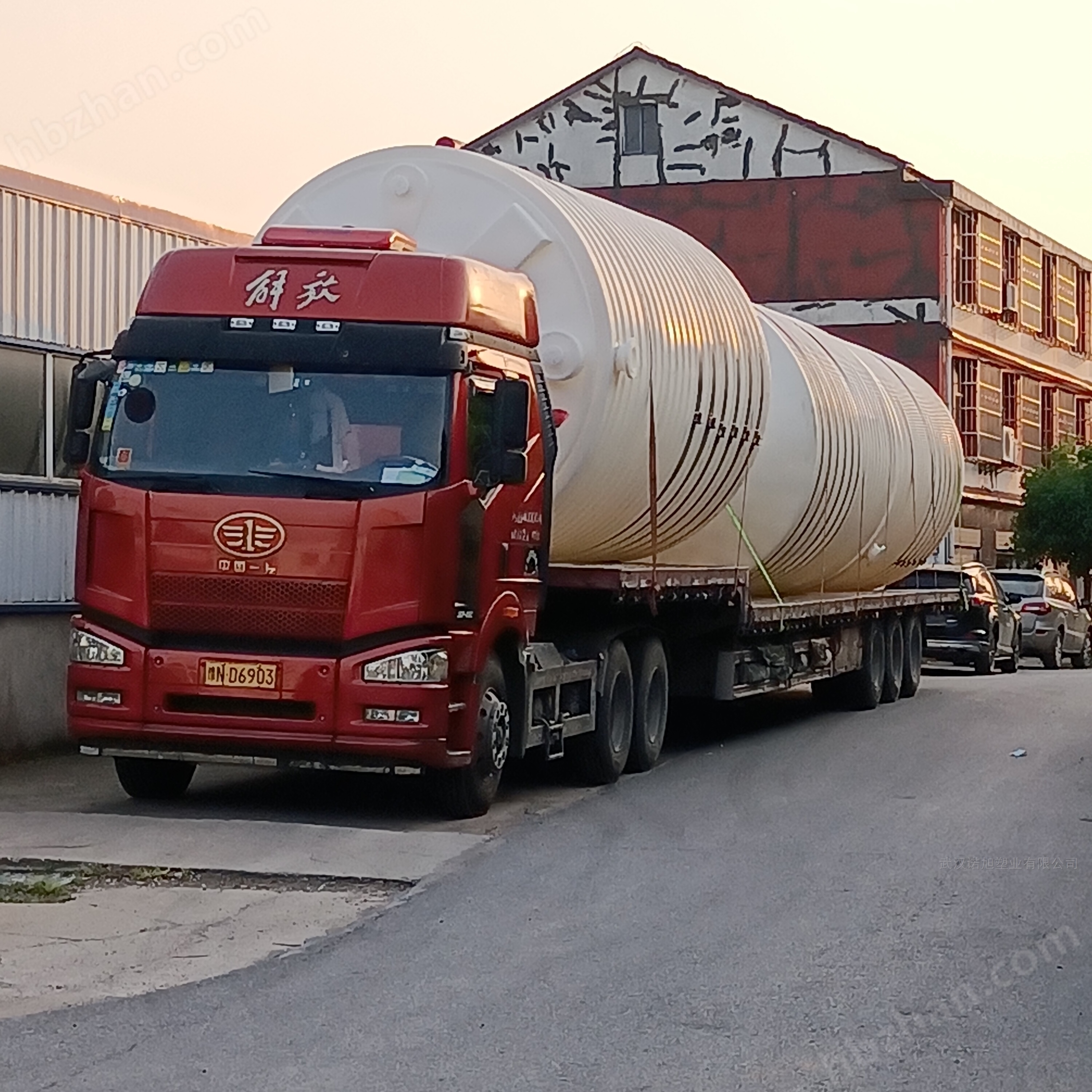

Plastic storage tank for sewage treatment plant, made of PE material, 30 tons PAC mixing drum
The production process of PE (polyethylene) water tank usually includes the following steps:
1. Raw material preparation: Select high-quality PE powder as raw material, screen and dry the raw material to ensure its purity and dryness.
2. Injection molding: Place PE powder into the injection molding machine, add an appropriate amount of masterbatch and additives, melt the powder through heating and pressure, and then inject it into the mold for molding. The mold is designed to accommodate the size and shape of the water tank, and can be used to create openings for filling holes, inlet ports, and outlet ports.
3. Cooling treatment: After injection molding, the water tank needs to be cooled to ensure stable performance and shape of the molded product. The cooling time and temperature are controlled according to specific product requirements.
4. Polishing and painting treatment: The cooled water tank needs to be polished and painted to increase the surface smoothness and aesthetics of the water tank. The polishing and painting processes can be repeated multiple times according to the requirements.
5. Inspection and quality control: Strict inspection and quality control are carried out on the finished water tank, including appearance quality, dimensional accuracy, internal structure, etc. Unqualified products need to be processed or reworked.
Similar Product Recommend