-
E-mail
3576278055@qq.com
-
Phone
19953695778
-
Address
Workshop 3, Oulong Technology Park, Yuqing Community, Xincheng Street, Weifang High tech Zone, Shandong Province
Product Categories
Shandong Horde Electronic Technology Co., Ltd


Urine iodine analyzer
NegotiableUpdate on 02/23
- Model
- Nature of the Manufacturer
- Producers
- Product Category
- Place of Origin
Overview
The urine iodine digestion instrument adopts high-quality high-purity graphite material, combined with precise surround three-dimensional heating technology, to ensure minimal temperature difference between digestion holes, effectively ensuring the parallelism and accuracy of batch sample processing.
Product Details
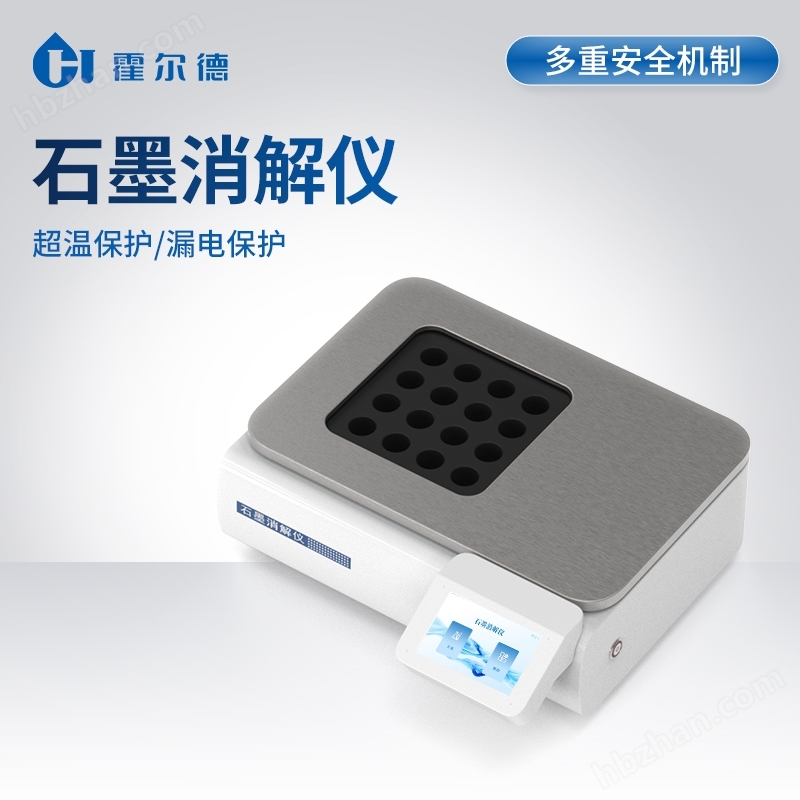
Urine iodine analyzerEasy to operate and with good reproducibility. At the same time, the instrument has multiple safety mechanisms such as over temperature protection and leakage protection, combined with corrosion-resistant design and friendly operating interface, to improve experimental efficiency while fully safeguarding experimental safety. The graphite digestion instrument is an ideal choice to replace traditional electric heating plates and furnaces. At the same time, the instrument adopts a classic 30mm aperture design and is compatible with mainstream 50mL and 100mL digestion tubes in the market, making it a reliable assistant for laboratories.
Instrument Features
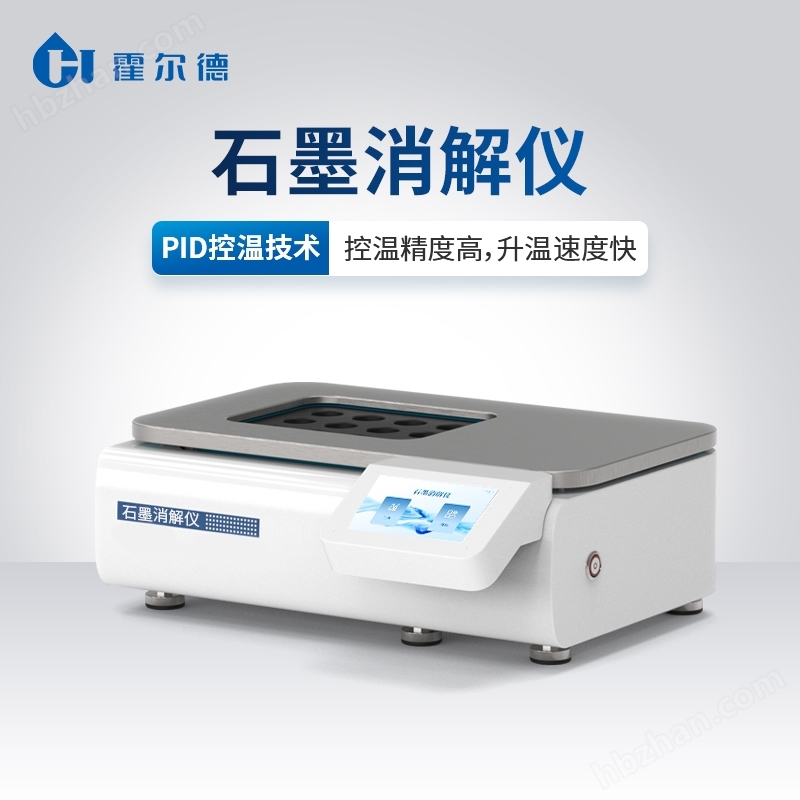
1. Use a 5-inch color touch screen for instrument operation, equipped with an Android operating system for convenience and speed.
2. Adopting PID temperature control technology, with high temperature control accuracy and fast heating speed.
3. Segmented temperature control setting, which can be single stage heating or multi-stage heating, with flexible settings. The instrument will automatically complete the process in sequence.
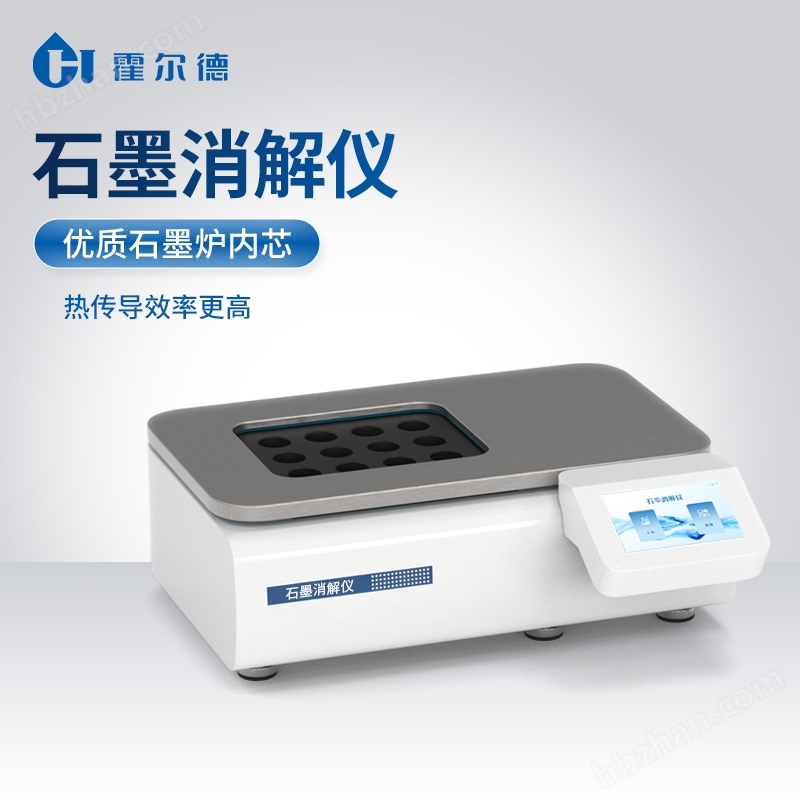
4. High quality graphite furnace core is used, with a small average temperature difference, good sample consistency, and higher thermal conductivity efficiency.
Technical Specifications
1. Screen specifications: 5-inch touch screen
2. Graphite furnace holes: diameter of 30 mm, depth of 60 mm, number of holes 4 × 4
3. Heating method: Quartz heating tube infrared transmission
4. Temperature control range: room temperature~450 ℃
5. Temperature control accuracy: ± 1 ℃
6. Temperature control segmentation: 1-5 segments
7. Power supply: AC220V, (50 ± 1) Hz
8. Rated power: 2160 W
9. Fuse tube: 6 × 30 mm, 10A
10. Overall dimensions of the host: 477 mm × 460 mm × 168 mm
11. Weight: 20.4 kg
Urine iodine analyzerAs an efficient laboratory sample pretreatment platform, it is widely used in various fields such as environmental monitoring (heavy metal digestion in soil, sewage, and solid waste), food and agricultural product testing (trace element analysis in grain and meat), agricultural geology (fertilizer, feed, rock composition analysis), product quality control, and scientific research and teaching. It is an ideal tool for wet digestion and hot extraction in various laboratories.


