-
E-mail
2818500651@qq.com
-
Phone
13913766839
-
Address
No. 8 Xiangtang Road, Guizhuang, Shaxi Town, Taicang City, Suzhou City, Jiangsu Province
Product Categories
Taicang Haoda Chemical Anti corrosion Equipment Factory


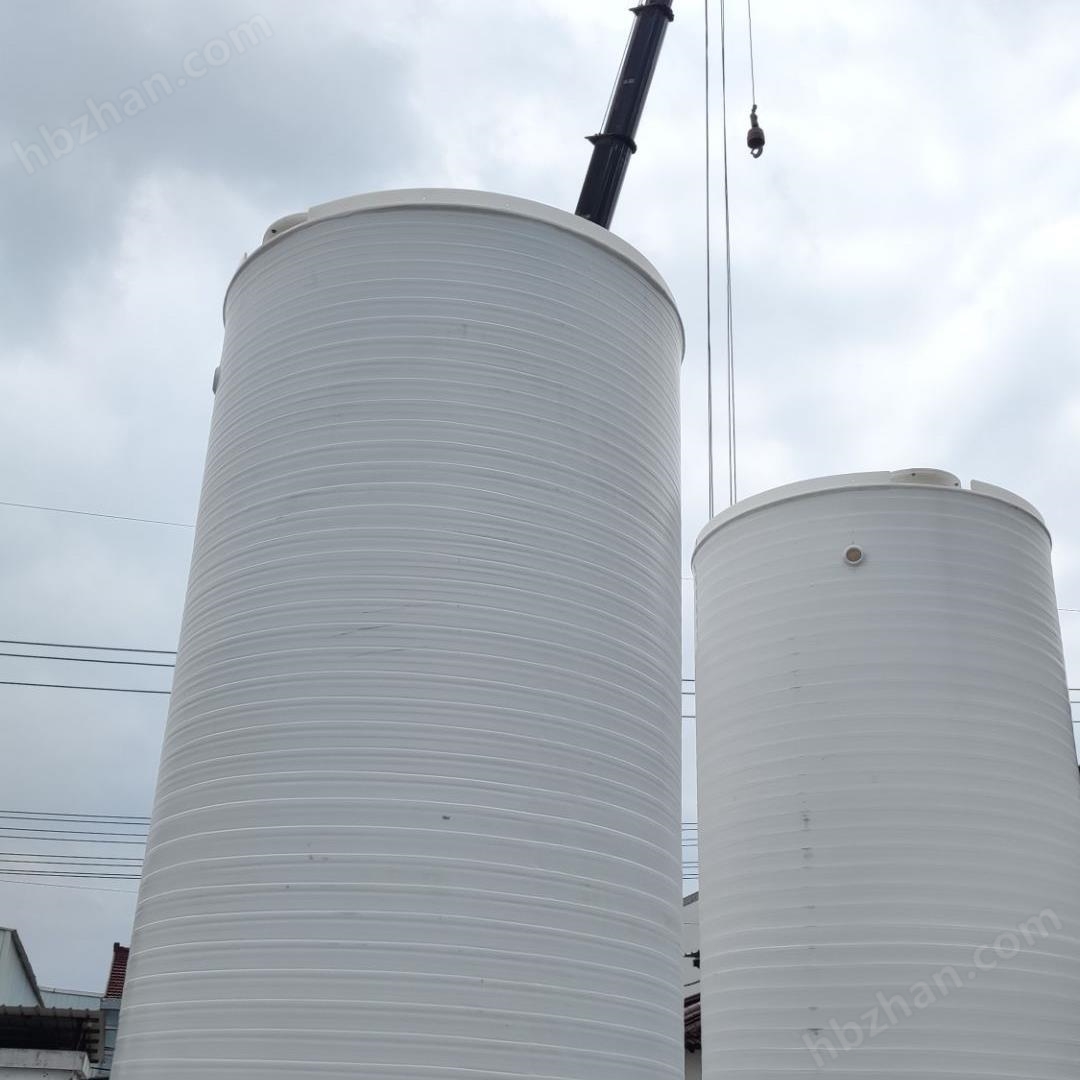
10 cubic meters of chemical storage tank
NegotiableUpdate on 04/14
- Model
- Nature of the Manufacturer
- Producers
- Product Category
- Place of Origin
Overview
10 cubic chemical storage tanks, including raw acid, dilute sulfuric acid, hydrochloric acid, chemical raw materials, material storage, temporary storage, anti-corrosion, acid and alkali resistance. The size can be customized with PP storage tanks, PP water pumps, vacuum pumps, water jet vacuum units, PP vacuum filtration drums, PP tail gas absorption towers, PP absorbers, and PP fans. Graphite condenser, heat exchanger, PP reactor, mixing tank, PP vacuum metering tank, buffer tank, drip tank, high-level tank. PP wastewater transfer tank, ion exchange column. A series of PP anti-corrosion equipment
Product Details
10 cubic meters of chemical storage tankThe price is used to store acids, bases, alcohols, gases, and liquids Waiting for refined chemical substances. Due to the different storage media, there are various forms of storage tanks, as follows:
1. According to the material classification of storage tanks, they can be divided into polyethylene chemical storage tanks, stainless steel storage tanks, fiberglass storage tanks, ceramic storage tanks, polypropylene storage tanks, rubber storage tanks, etc.
2. Classified by structure: it can be divided into vertical storage tanks, spherical storage tanks, hyperbolic storage tanks (drop shaped storage tanks), horizontal storage tanks, catenary storage tanks (powerless moment storage tanks), etc.
3. Classified by purpose: can be divided into raw material tanks, finished product tanks, intermediate product tanks, waste tanks, etc.
4. Classified by location: can be divided into aboveground storage tanks, underground storage tanks, semi underground storage tanks, offshore storage tanks, submarine storage tanks, etc.
5. Classified by temperature: can be divided into normal temperature storage tanks, low-temperature storage tanks, high-temperature storage tanks, etc.
6. Classified by oil products: can be divided into crude oil storage tanks, edible oil tanks, lubricating oil tanks, fuel oil storage tanks, fire water tanks, etc. At present, chemical storage tanks are mainly used to store chemical raw materials such as acid, alkali, alcohol, gas, liquid, etc. Due to the certain danger of chemical raw materials, they need to be stored carefully, and during use, it is necessary to strictly read the instructions, pay attention to safety issues, and regularly inspect and maintain them.
10 cubic meters of chemical storage tankprice
Notes:
1. Storage tanks for flammable gases and liquids should be equipped with necessary fire-fighting equipment. Smoking, open flame lighting, heating, and bringing their ignition sources into the tank area are strictly prohibited.
2. For storage tanks storing flammable, explosive, toxic, corrosive and other media, relevant regulations on hazardous material management should be strictly implemented.
3. Before tank inspection and repair, the power supply of electrical equipment related to the tank must be cut off, and equipment handover procedures must be completed.
4. After the medium inside the storage tank is drained, the inlet and outlet valves should be closed or blind plates should be added to isolate the pipelines and equipment connected to them, and clear partition signs should be set up. 5. For storage tanks containing flammable, corrosive, toxic, or suffocating media, they must undergo replacement, neutralization, disinfection, cleaning, and other treatments, and be analyzed and inspected after treatment. The analysis results should meet the requirements of relevant specifications and standards. It is strictly prohibited to replace flammable media with air.
6. A permit for working inside the tank must be obtained. Due to prolonged interruption of work, a new work permit for the tank should be issued.
7. Thirty minutes before entering the tank for operation, a sample should be taken for analysis, with an oxygen content between 18-23% (by volume).
8. When entering the tank to clean toxic and corrosive residues, it is necessary to wear personal protective equipment.
9. The scaffolding and lifting devices that need to be erected must be firm and reliable, and throwing materials and tools inside and outside is strictly prohibited during operation to ensure safe operation.
10. The lighting inside the tank should use explosion-proof lamps with a voltage not exceeding 24 pairs.


Similar Product Recommend