-
E-mail
sdgerte@126.com
-
Phone
15315508509
-
Address
227, 5th Floor, Office Building 3, No. 177 Guhe Street, Ligezhuang Town, Jiaozhou City, Qingdao City, Shandong Province
Product Categories
Qingdao Yuanchen Zhixiang Technology Co., Ltd

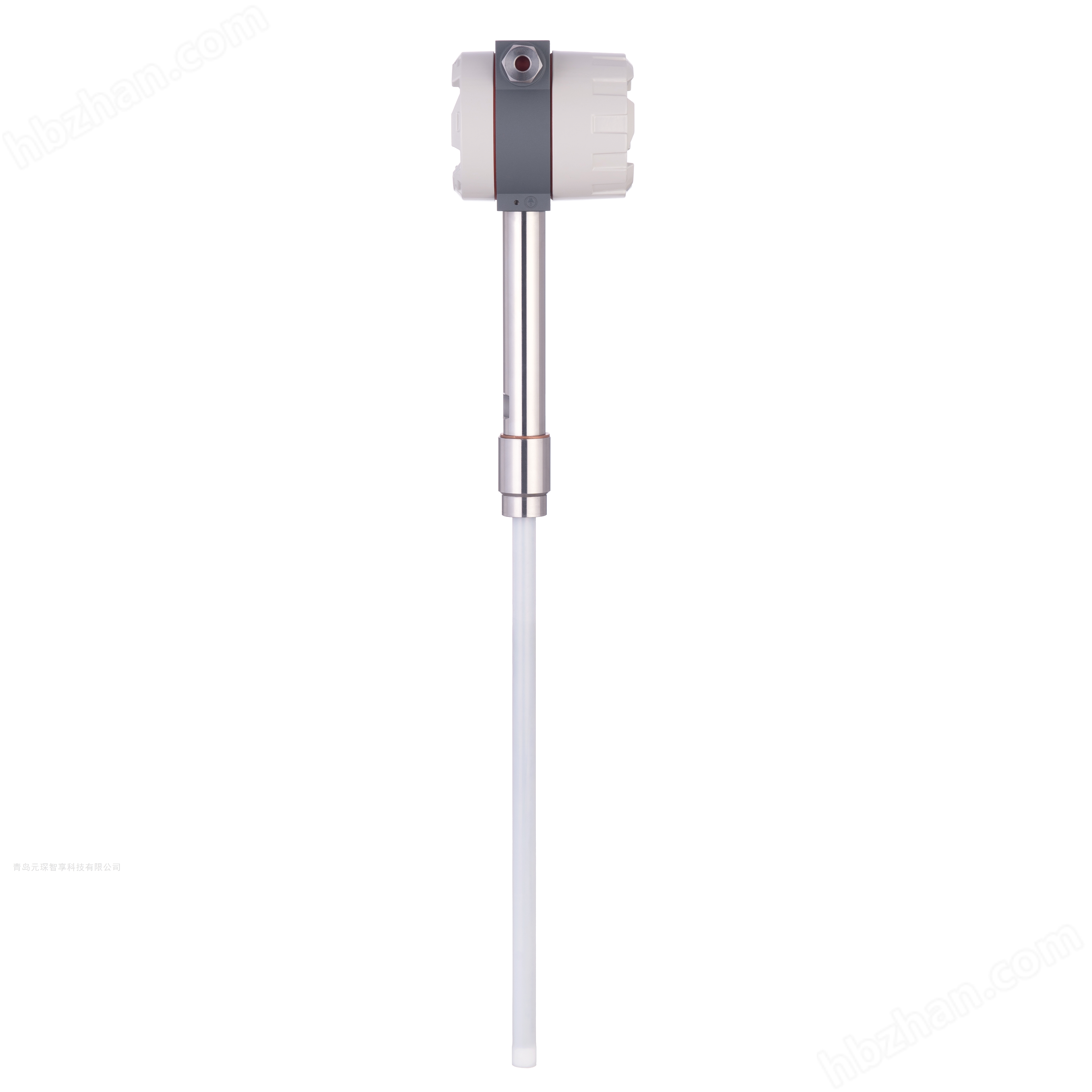
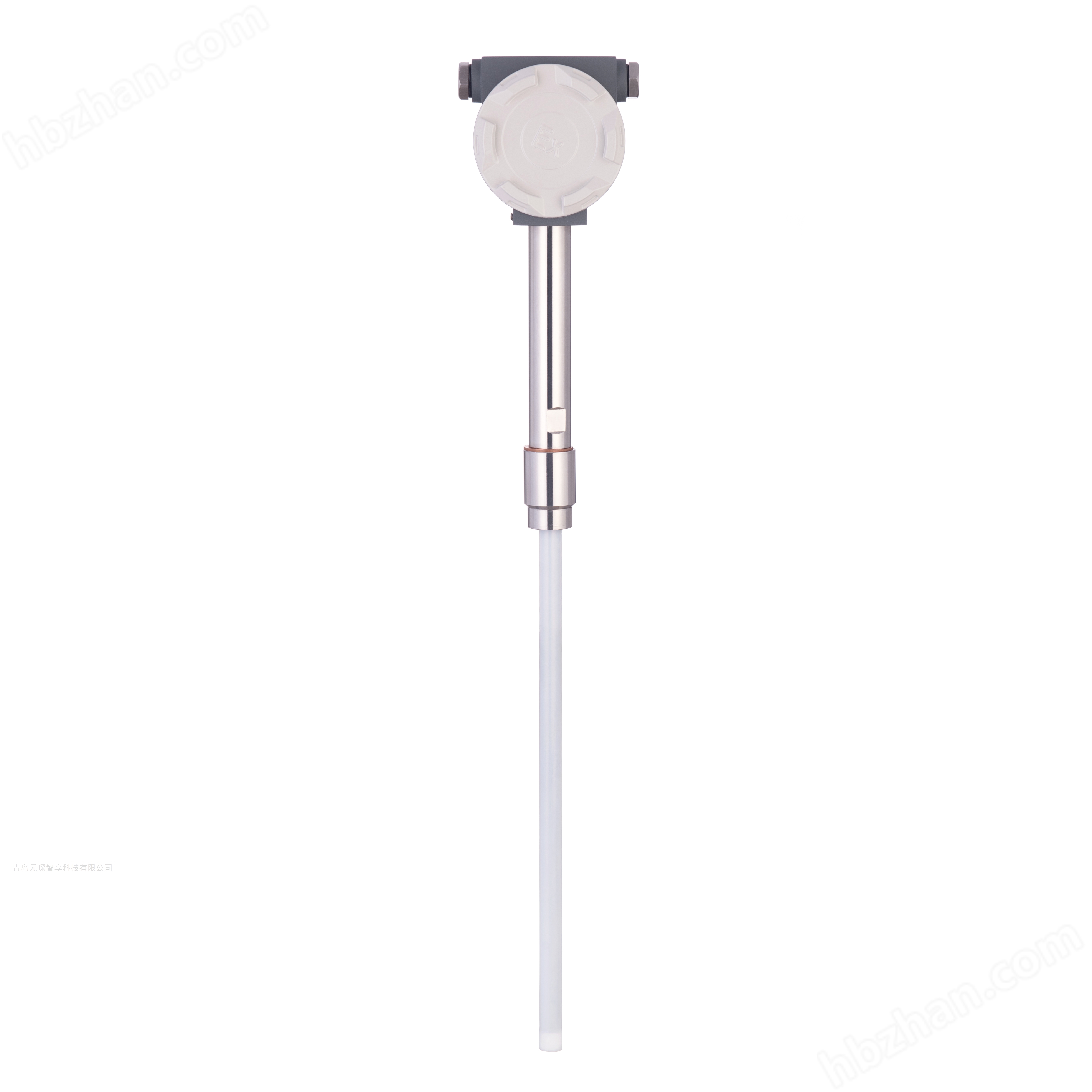
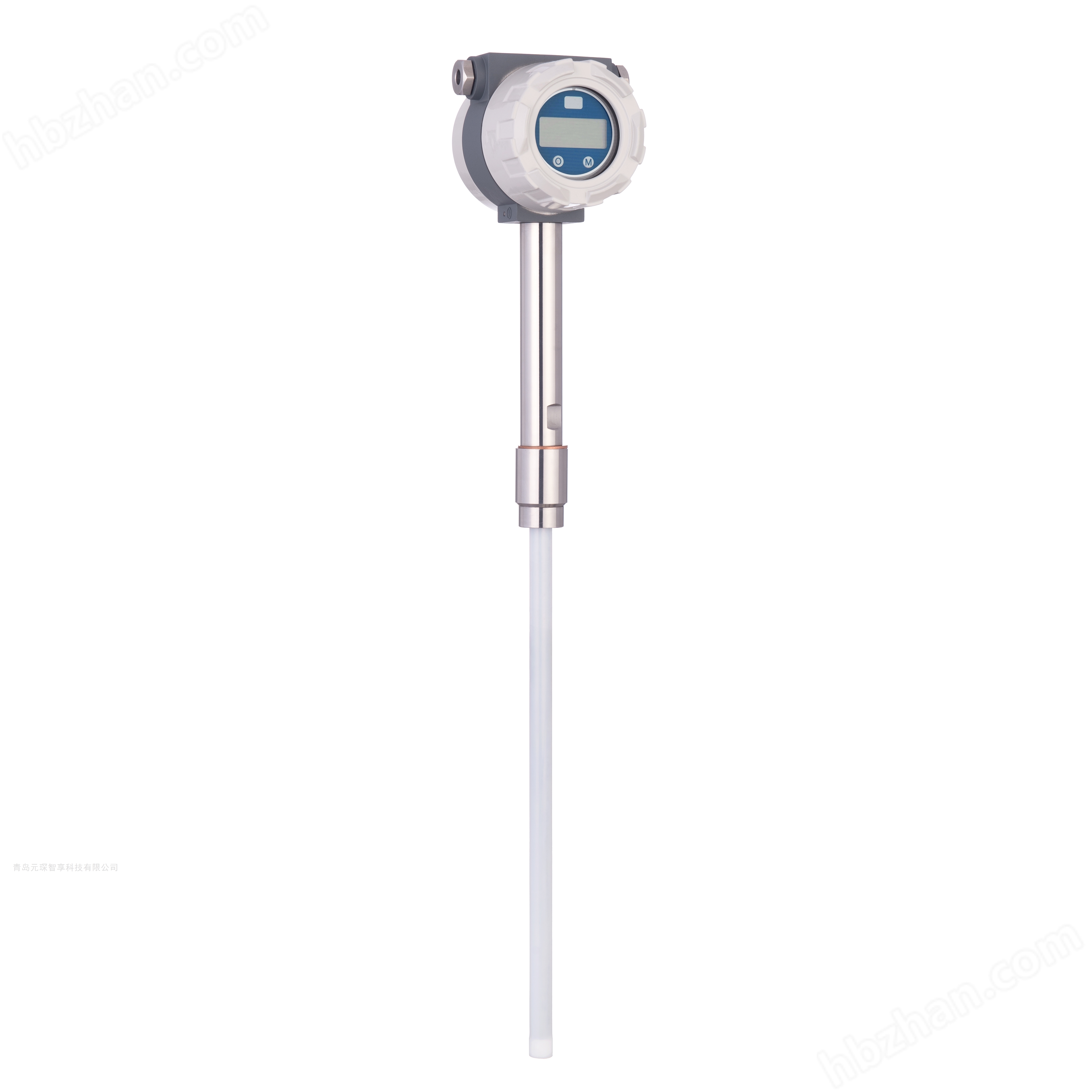
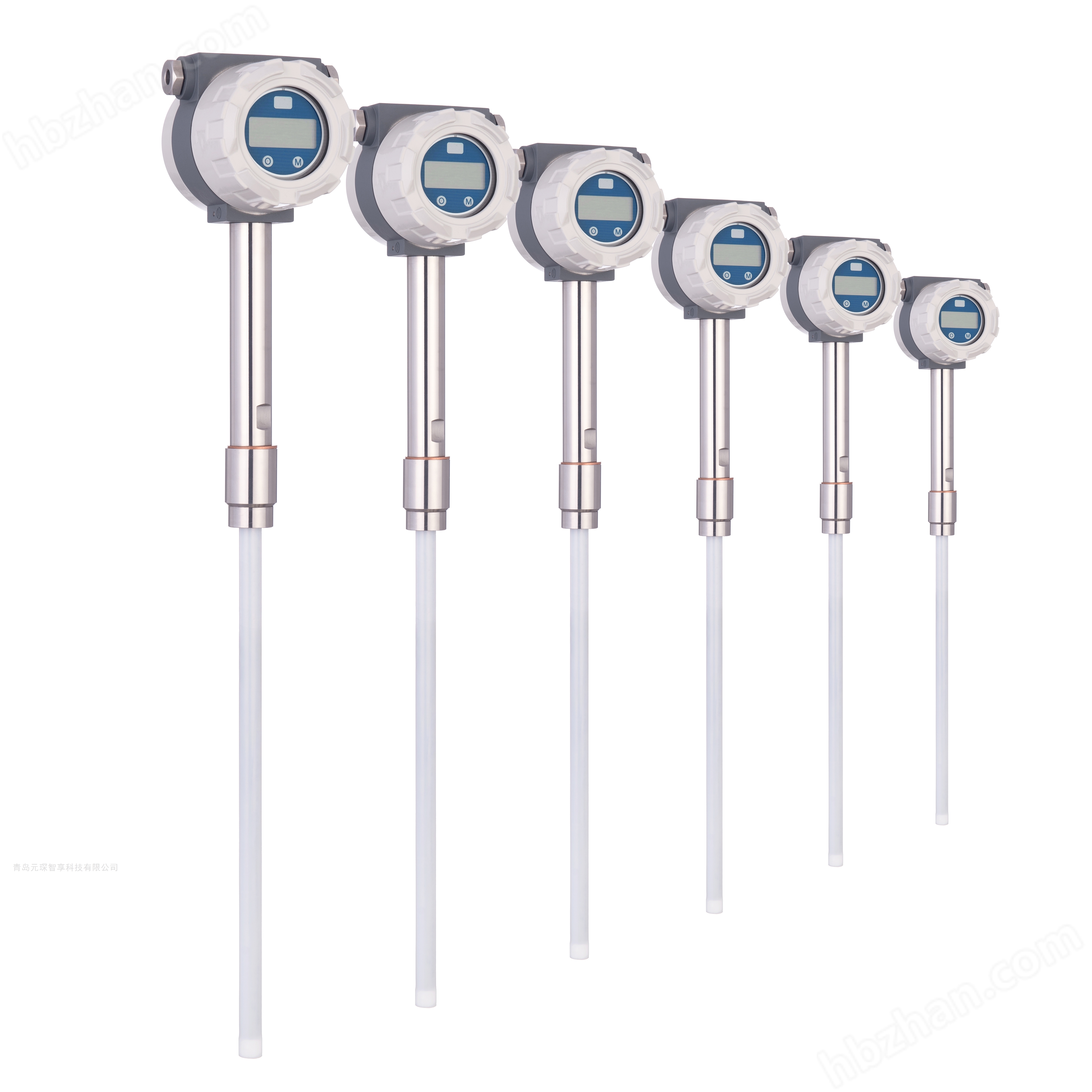
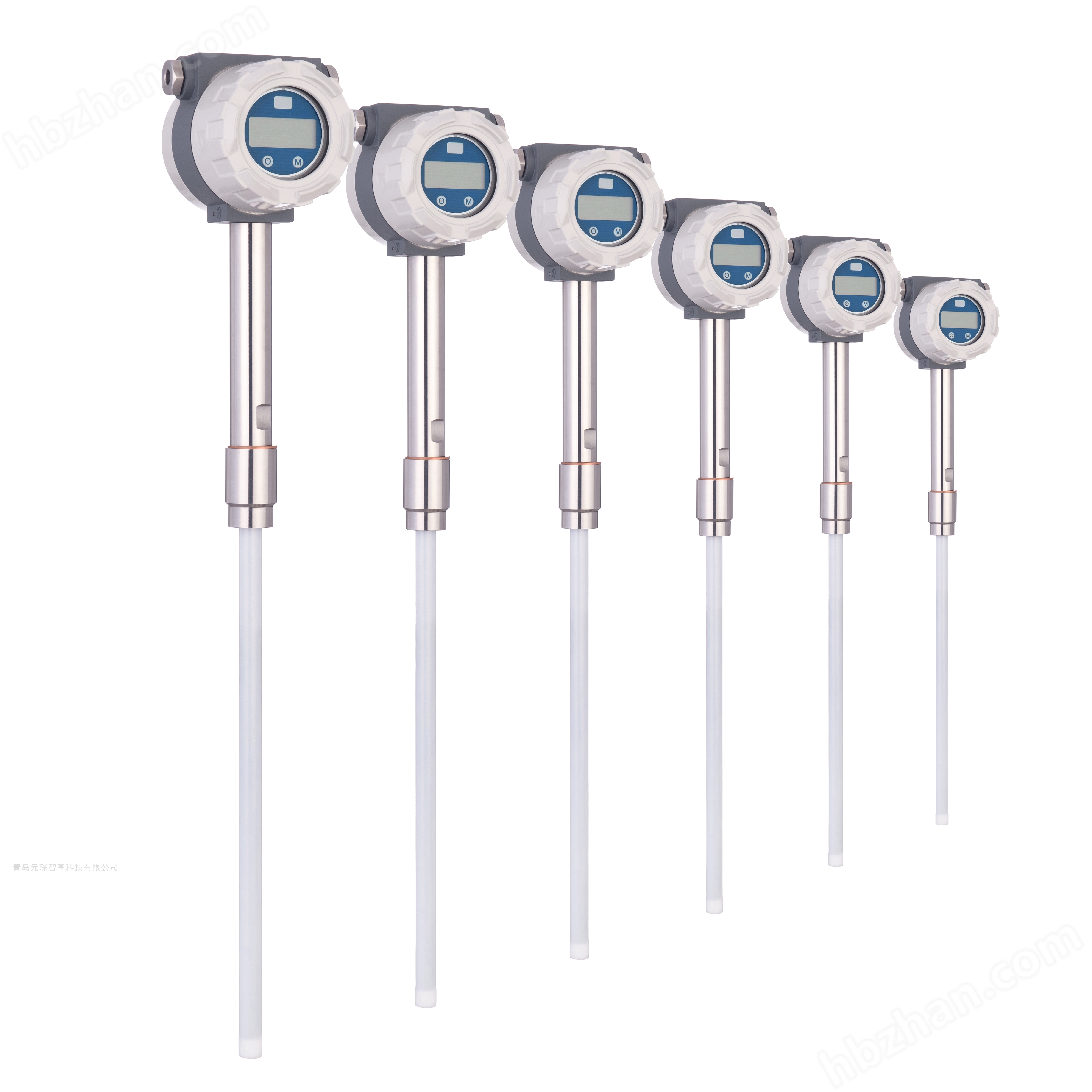
Dust monitoring instrument with built-in isolator
NegotiableUpdate on 03/28
- Model
- Nature of the Manufacturer
- Producers
- Product Category
- Place of Origin
Overview
The working principle of the built-in isolator in the dust monitoring device is based on the principle of electrostatic induction. The detected dust particles move with the airflow inside the pipeline, and when the dust particles pass through the dust meter probe, they rub and collide with the probe, causing dynamic charge induction and generating charge signals. The dust analyzer will collect dynamic charge signals and obtain corresponding dust particle data through multi-stage operation amplification, filtering, and calculation processing. Continuously collecting dust particle data through a software system, and finally obtaining dust concentration through complex algorithm statistics.
Product Details
Dust monitoring instrument with built-in isolatorIt is an intelligent monitoring device with integrated signal isolation function, designed specifically for industrial environments. Its core consists of dust sensors, signal isolation modules, data processing units, and communication interfaces, which can monitor the concentration of particulate matter in the air in real time and achieve electrical isolation of input/output signals through isolators to avoid electromagnetic interference or grounding loops affecting data accuracy. Equipment is usually equipped with dust-proof and waterproof enclosures, suitable for harsh environments such as high temperature, high humidity, and strong vibration. Some models have explosion-proof certification to meet the needs of flammable and explosive places.
Dust monitoring instrument with built-in isolatorworking principle
The working principle of this dust detector is based on the principle of electrostatic induction. The detected dust particles move with the airflow inside the pipeline, and when the dust particles pass through the dust meter probe, they rub and collide with the probe, causing dynamic charge induction and generating charge signals. The dust analyzer will collect dynamic charge signals and obtain corresponding dust particle data through multi-stage operation amplification, filtering, and calculation processing. Continuously collecting dust particle data through a software system, and finally obtaining dust concentration through complex algorithm statistics. The principle of electrostatic detection is widely applied and suitable for the detection environment of gas-solid two-phase flow. The collection process does not require manual intervention, is efficient and convenient, and has strong real-time data.
technical specifications
Operating environment temperature |
-20 ℃~60 ℃ (electronic components) |
Operating environment humidity |
Non condensing 90% |
Operating environment vibration |
Maximum continuous oscillation, any direction, any frequency: root mean square value 2g (20m/s2) |
Operating environment electromagnetic field |
At 50 Hz, the maximum value is 60 A/m (equivalent to a magnetic field of 50 AT in a 1 meter x 1 meter square electromagnetic coil) |
Protection of operating environment |
Protection level: IP66/NEMA4 aluminum alloy shell, suitable for installation in non corrosive environments, stainless steel probe |
Pipeline gas pressure |
-0.1-1MPa (maximum up to 8MPa) |
Pipeline gas flow rate |
1m/s~30m/s |
Pipeline gas temperature |
Real time temperature: 200 ℃, instantaneous temperature: 260 ℃ (260 ℃ -800 ℃ can be customized) |
outer diameter of pipe |
0.1 meters to 4 meters |
Probe structure |
The standard probe is 16mm in diameter, with a length ranging from 100mm to 1000mm. The probe material is rare earth amorphous alloy, |
Dust particle size range |
The nominal range is 0.1 μ M to 200 μ M, and it can still receive signals outside the nominal range, but the signal characteristics are slightly different. |
Powder material |
Including: dust, coal powder, flour, dust, smoke, graphite, manganese dioxide, quicklime and other various particulate matter |
zero drift |
(Time) Less than 1% of the range per year. |
zero drift |
Within the specified temperature range, below 1% of the measuring range. |
Full-scale drift |
(Time) Less than 1% of range per year |
Full-scale drift |
Within the specified temperature range, below 1% of the measuring range. |
Line stability |
All components of the system are made of high stability electronic assemblies. |
Noise resistance |
All 50 or 60 Hz audio and harmonics are filtered out before the signal is received |
measurement range |
0-10mg/50mg/100mg/200mg/1000mg/30g/100g/m ³ (customized for special ranges) |
Transmitter output mode |
Standard 4-20mA (two-wire system) (customizable switch quantity, RS485 communication, Modbus RTU protocol, HART protocol, etc.) |
Transmitter power supply |
24V (available within the range of 15V to 32V) |
measurement accuracy |
±1% |
Probe length selection |
Please select the probe length according to the formula, i.e. D/3 ≤ L ≤ 2D/3 (Among them: D - Inner diameter of pipeline, L - Probe length) |
Explosion-proof marking |
Exia IIC T6 Ga/ExoD 21 T80 ℃ Certificate Number: CNV21.0092X Ex db IIC T6 Gb, Ex tb IIC T80 ℃ Db Certificate Number: CNV24.1117X |
technical specifications
Operating environment temperature |
-20 ℃~60 ℃ (electronic components) |
Operating environment humidity |
Non condensing 90% |
Operating environment vibration |
Maximum continuous oscillation, any direction, any frequency: root mean square value 2g (20m/s2) |
Operating environment electromagnetic field |
At 50 Hz, the maximum value is 60 A/m (equivalent to a magnetic field of 50 AT in a 1 meter x 1 meter square electromagnetic coil) |
Protection of operating environment |
Protection level: IP66/NEMA4 aluminum alloy shell, suitable for installation in non corrosive environments, stainless steel probe |
Pipeline gas pressure |
-0.1-1MPa (maximum up to 8MPa) |
Pipeline gas flow rate |
1m/s~30m/s |
Pipeline gas temperature |
Real time temperature: 200 ℃, instantaneous temperature: 260 ℃ (260 ℃ -800 ℃ can be customized) |
outer diameter of pipe |
0.1 meters to 4 meters |
Probe structure |
The standard probe is 16mm in diameter, with a length ranging from 100mm to 1000mm. The probe material is rare earth amorphous alloy, |
Dust particle size range |
The nominal range is 0.1 μ M to 200 μ M, and it can still receive signals outside the nominal range, but the signal characteristics are slightly different. |
Powder material |
Including: dust, coal powder, flour, dust, smoke, graphite, manganese dioxide, quicklime and other various particulate matter |
zero drift |
(Time) Less than 1% of the range per year. |
zero drift |
Within the specified temperature range, below 1% of the measuring range. |
Full-scale drift |
(Time) Less than 1% of range per year |
Full-scale drift |
Within the specified temperature range, below 1% of the measuring range. |
Line stability |
All components of the system are made of high stability electronic assemblies. |
Noise resistance |
All 50 or 60 Hz audio and harmonics are filtered out before the signal is received |
measurement range |
0-10mg/50mg/100mg/200mg/1000mg/30g/100g/m ³ (customized for special ranges) |
Transmitter output mode |
Standard 4-20mA (two-wire system) (customizable switch quantity, RS485 communication, Modbus RTU protocol, HART protocol, etc.) |
Transmitter power supply |
24V (available within the range of 15V to 32V) |
measurement accuracy |
±1% |
Probe length selection |
Please select the probe length according to the formula, i.e. D/3 ≤ L ≤ 2D/3 (Among them: D - Inner diameter of pipeline, L - Probe length) |
Explosion-proof marking |
Exia IIC T6 Ga/ExoD 21 T80 ℃ Certificate Number: CNV21.0092X Ex db IIC T6 Gb, Ex tb IIC T80 ℃ Db Certificate Number: CNV24.1117X |