-
E-mail
sdgerte@126.com
-
Phone
15315508509
-
Address
227, 5th Floor, Office Building 3, No. 177 Guhe Street, Ligezhuang Town, Jiaozhou City, Qingdao City, Shandong Province
Product Categories
Qingdao Yuanchen Zhixiang Technology Co., Ltd
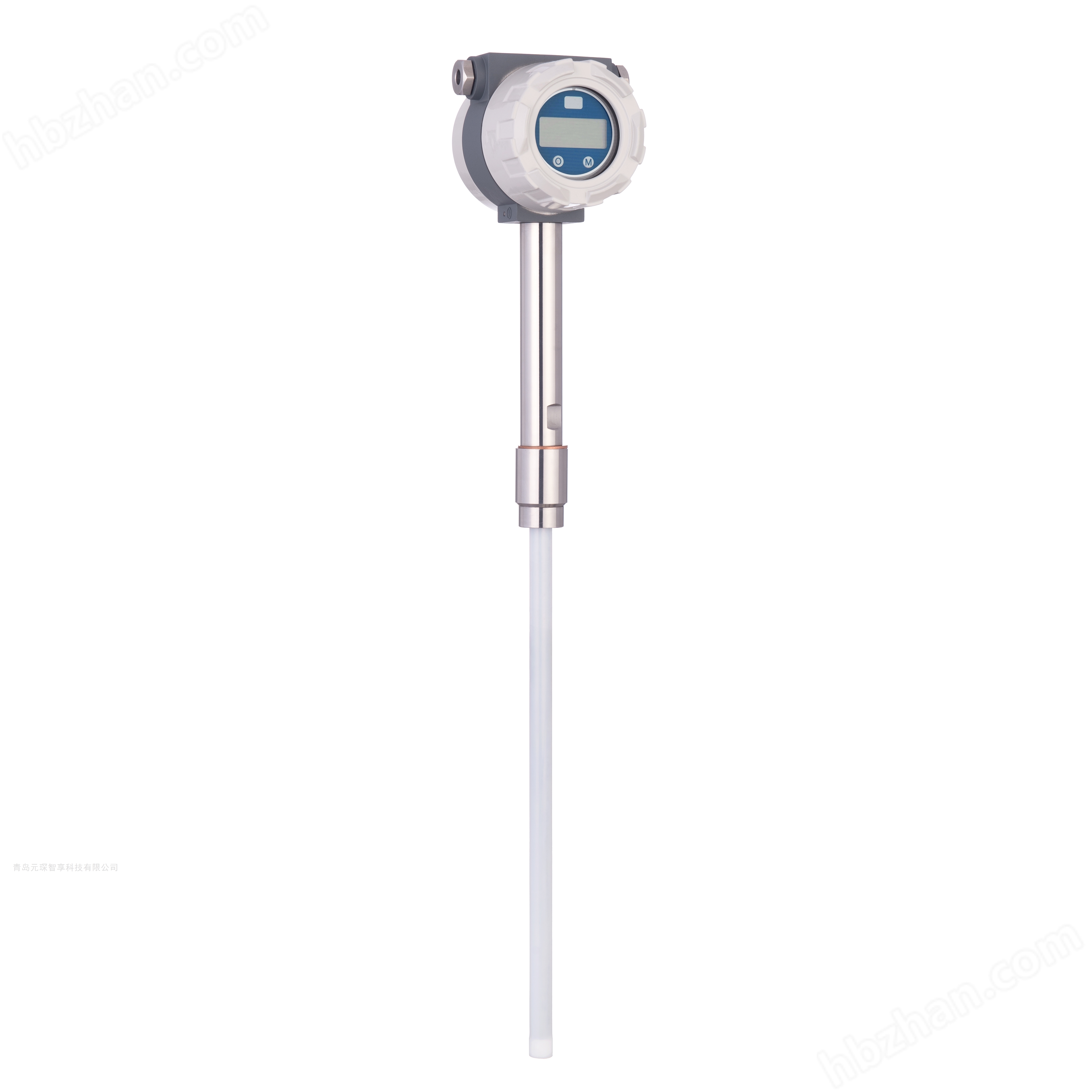
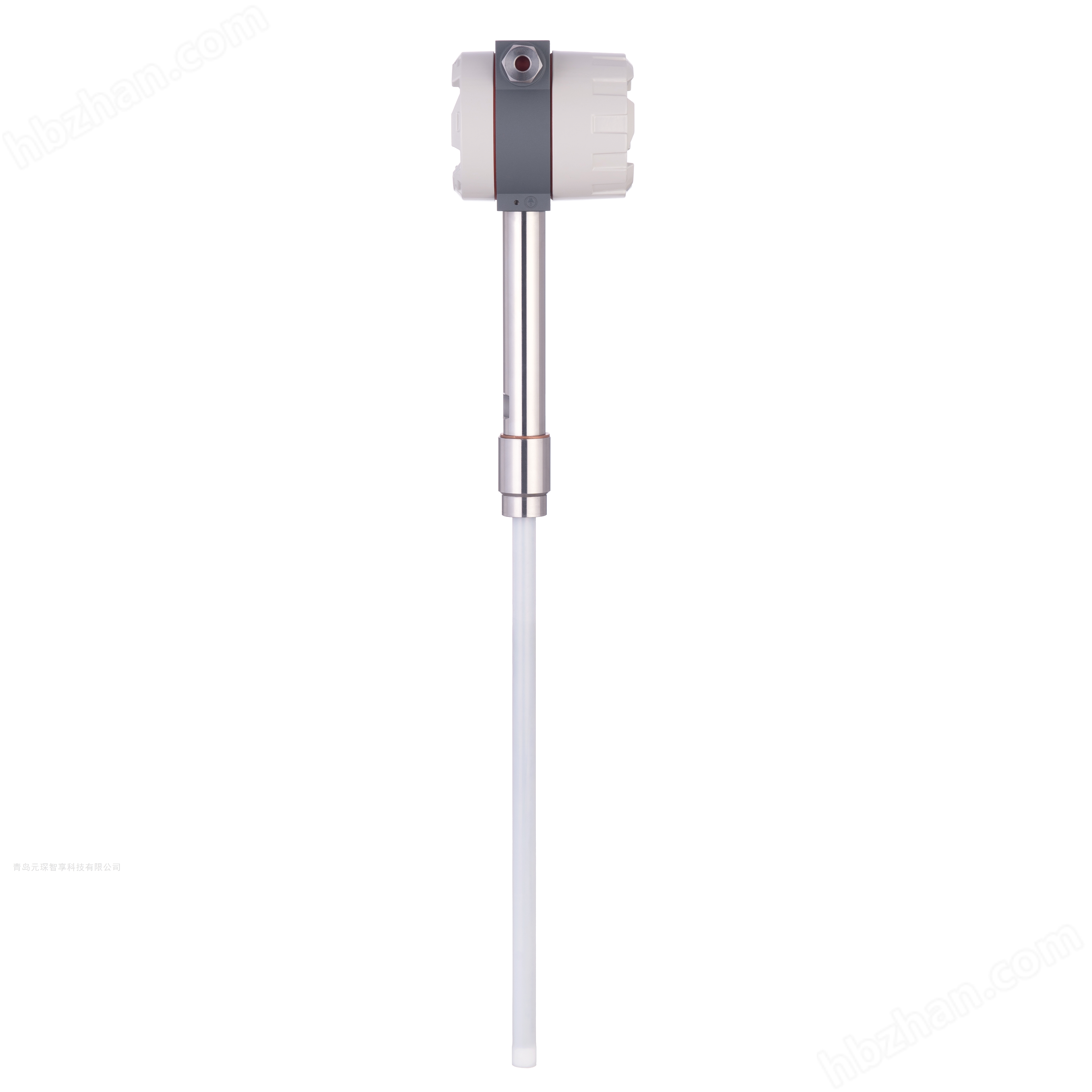
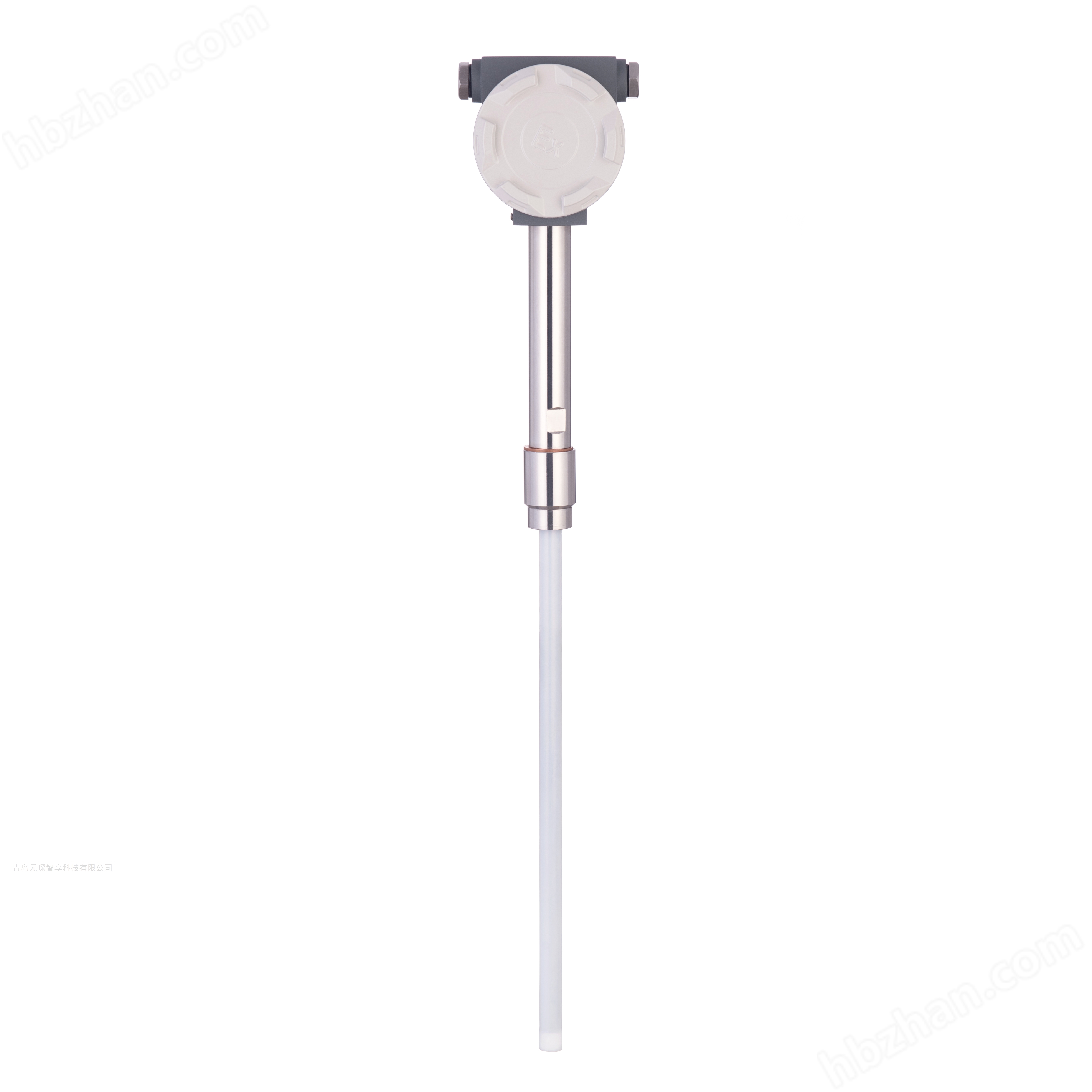

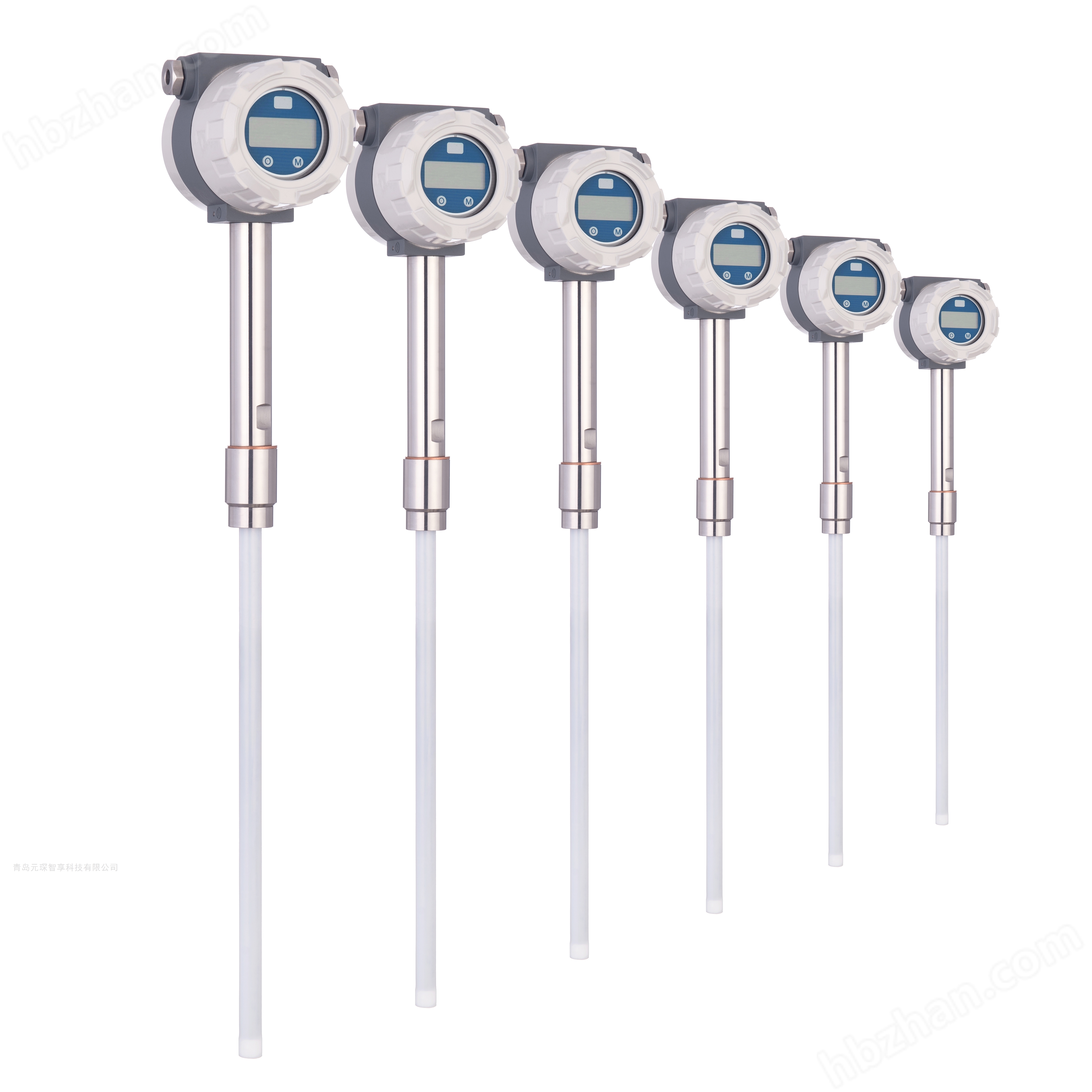
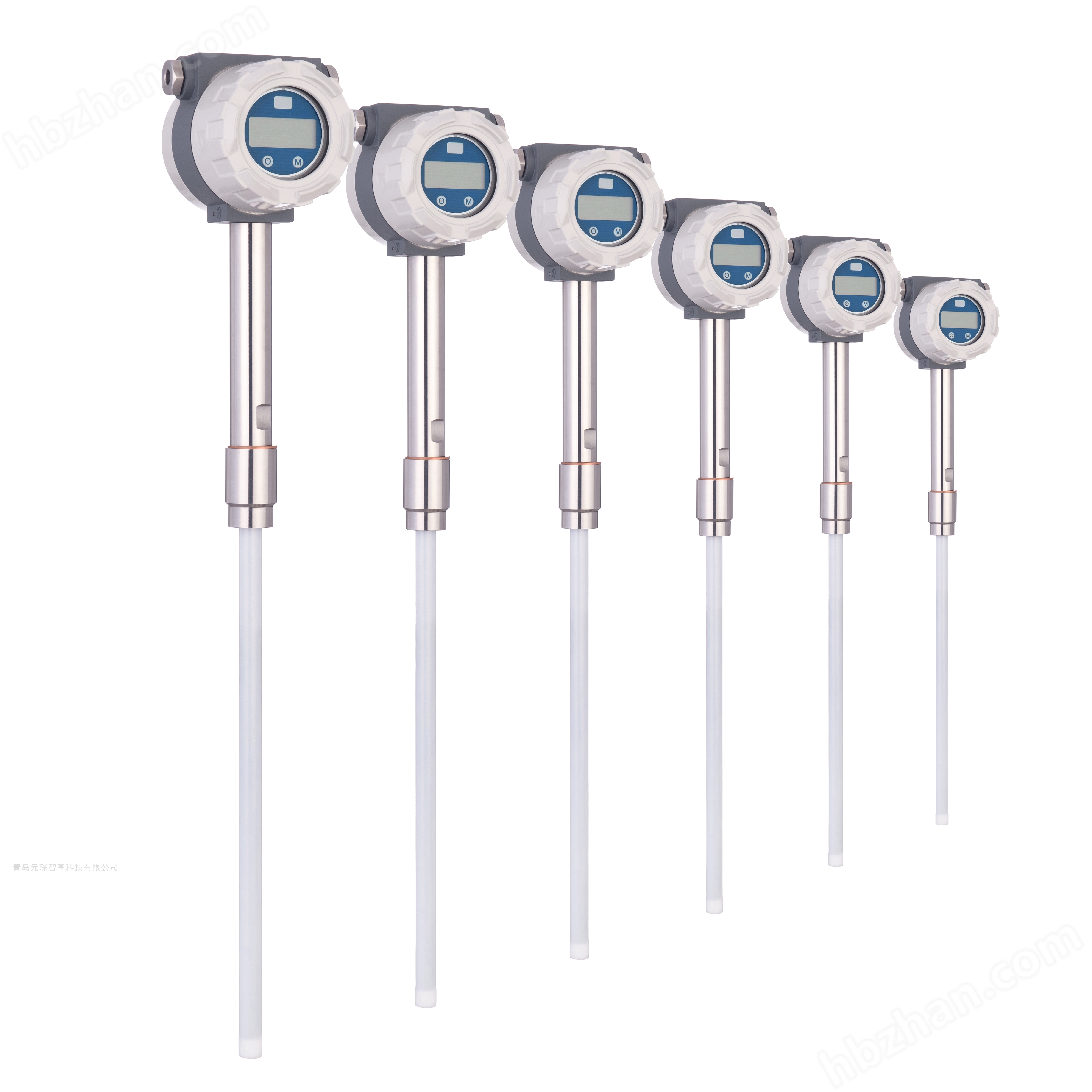
Turbidity dust monitoring instrument can be customized
NegotiableUpdate on 03/28
- Model
- Nature of the Manufacturer
- Producers
- Product Category
- Place of Origin
Overview
The turbidity dust monitor can be customized with improved AC coupling technology, which has high sensitivity and good linearity for dust detection. Dust contamination of the probe does not affect the measurement sensitivity and is maintenance free and cleaning free. The main body of the sensor is designed with airtight connectors to prevent the leakage of the measured gas and the outward impact of the measuring electrode due to pressure, ensuring the safety of the transmitter and personnel.
Product Details
Turbidity dust monitoring instrument can be customizedTechnical Specifications:
1. Output mode: 4-20mA (or RS485 communication, Modbus RTU protocol, switch quantity, etc.),
Advantages of HART Protocol - Export Equipment Customization:
Simultaneously including analog and digital communication, compatible with traditional analog instrument solutions, supporting multivariable field devices, flexible data access through two hosts, de facto open standards, backward compatibilityCan support both analog and digital protocols, unlike other fieldbuses that are essentially digital, point-to-point or multi-point operations, with a response time of approximately 0.5 seconds. The HART protocol is a unique backward compatible communication facility that ensures that existing investments in factory cables and power requirements remain secure in the future. It is a communication facility that supports both analog and digital communication (hybrid) simultaneously. By retaining the traditional 4-20 mA signal, it extends the bidirectional digital communication capability between the system and multivariable intelligent field instruments. Any process application can be serviced and processed by the HART protocol.
2. Wire system: 2-wire system, 4-wire system
3. Display: Yes or No Display
4. Pipeline gas temperature: Conventional 0 ℃~250 ℃, High temperature type 260 ℃~800 ℃ can be customized
5. Is there an alarm: Yes, No
6. Do you need an isolator (function?): Yes (built-in is an advantage, others are external), No need
6. Range: 0-10mg/50mg/100mg/200mg/1000mg/30g/100g/m ³ (special ranges can be customized)
7. Principle: Electrostatic Induction Principle
Turbidity dust monitoring instrument can be customizedPrecautions for use
Installation location: Priority should be given to vertical pipelines or areas with stable airflow, avoiding turbulent areas such as valves and elbows; When installing horizontal pipelines, it is necessary to avoid sedimentation at the bottom.
Environmental interference: Keep away from high humidity, strong vibration, or corrosive gas environments, and install protective covers or explosion-proof enclosures if necessary.
Regular calibration: Calibrate the equipment according to the manufacturer's recommended cycle, use standard reference materials to verify accuracy, and ensure that the isolator functions properly.
Cleaning and maintenance: Although it has self-cleaning function, it is still necessary to regularly inspect the sensor surface to prevent stubborn dust accumulation from affecting sensitivity.
Compliance: Ensure that the equipment complies with local environmental regulations and occupational health standards, and that installation and operation procedures comply with safety regulations.
Data utilization: Combining historical trends with real-time data, optimize production processes and emergency plans to avoid misjudgment of single data.
technical specifications
Operating environment temperature |
-20 ℃~60 ℃ (electronic components) |
Operating environment humidity |
Non condensing 90% |
Operating environment vibration |
Maximum continuous oscillation, any direction, any frequency: root mean square value 2g (20m/s2) |
Operating environment electromagnetic field |
At 50 Hz, the maximum value is 60 A/m (equivalent to a magnetic field of 50 AT in a 1 meter x 1 meter square electromagnetic coil) |
Protection of operating environment |
Protection level: IP66/NEMA4 aluminum alloy shell, suitable for installation in non corrosive environments, stainless steel probe |
Pipeline gas pressure |
-0.1-1MPa (maximum up to 8MPa) |
Pipeline gas flow rate |
1m/s~30m/s |
Pipeline gas temperature |
Real time temperature: 200 ℃, instantaneous temperature: 260 ℃ (260 ℃ -800 ℃ can be customized) |
outer diameter of pipe |
0.1 meters to 4 meters |
Probe structure |
The standard probe is 16mm in diameter, with a length ranging from 100mm to 1000mm. The probe material is rare earth amorphous alloy, |
Dust particle size range |
The nominal range is 0.1 μ M to 200 μ M, and it can still receive signals outside the nominal range, but the signal characteristics are slightly different. |
Powder material |
Including: dust, coal powder, flour, dust, smoke, graphite, manganese dioxide, quicklime and other various particulate matter |
zero drift |
(Time) Less than 1% of the range per year. |
zero drift |
Within the specified temperature range, below 1% of the measuring range. |
Full-scale drift |
(Time) Less than 1% of range per year |
Full-scale drift |
Within the specified temperature range, below 1% of the measuring range. |
Line stability |
All components of the system are made of high stability electronic assemblies. |
Noise resistance |
All 50 or 60 Hz audio and harmonics are filtered out before the signal is received |
measurement range |
0-10mg/50mg/100mg/200mg/1000mg/30g/100g/m ³ (customized for special ranges) |
Transmitter output mode |
Standard 4-20mA (two-wire system) (customizable switch quantity, RS485 communication, Modbus RTU protocol, HART protocol, etc.) |
Transmitter power supply |
24V (available within the range of 15V to 32V) |
measurement accuracy |
±1% |
Probe length selection |
Please select the probe length according to the formula, i.e. D/3 ≤ L ≤ 2D/3 (Among them: D - Inner diameter of pipeline, L - Probe length) |
Explosion-proof marking |
Exia IIC T6 Ga/ExoD 21 T80 ℃ Certificate Number: CNV21.0092X Ex db IIC T6 Gb, Ex tb IIC T80 ℃ Db Certificate Number: CNV24.1117X |