-
E-mail
info@testo.com.cn
-
Phone
18918106372
-
Address
Building 34, 15, Xinxing Industrial Park, No. 258 Shenzhuan Road, Songjiang District, Shanghai
Product Categories
Detu Instrument International Trade (Shanghai) Co., Ltd


Indoor CO2 measuring instrument
NegotiableUpdate on 03/07
- Model
- Nature of the Manufacturer
- Producers
- Product Category
- Place of Origin
Overview
The key characteristics of indoor CO2 measuring instruments are their accuracy and real-time performance. Accuracy is mainly reflected in its ability to accurately measure changes in indoor CO2 concentration, while real-time performance is reflected in its ability to continuously monitor dynamic changes in indoor CO2 concentration. This is very important for timely detection of high indoor CO2 concentration, as high CO2 concentration not only affects people's physical health, but also reduces work efficiency.
Product Details
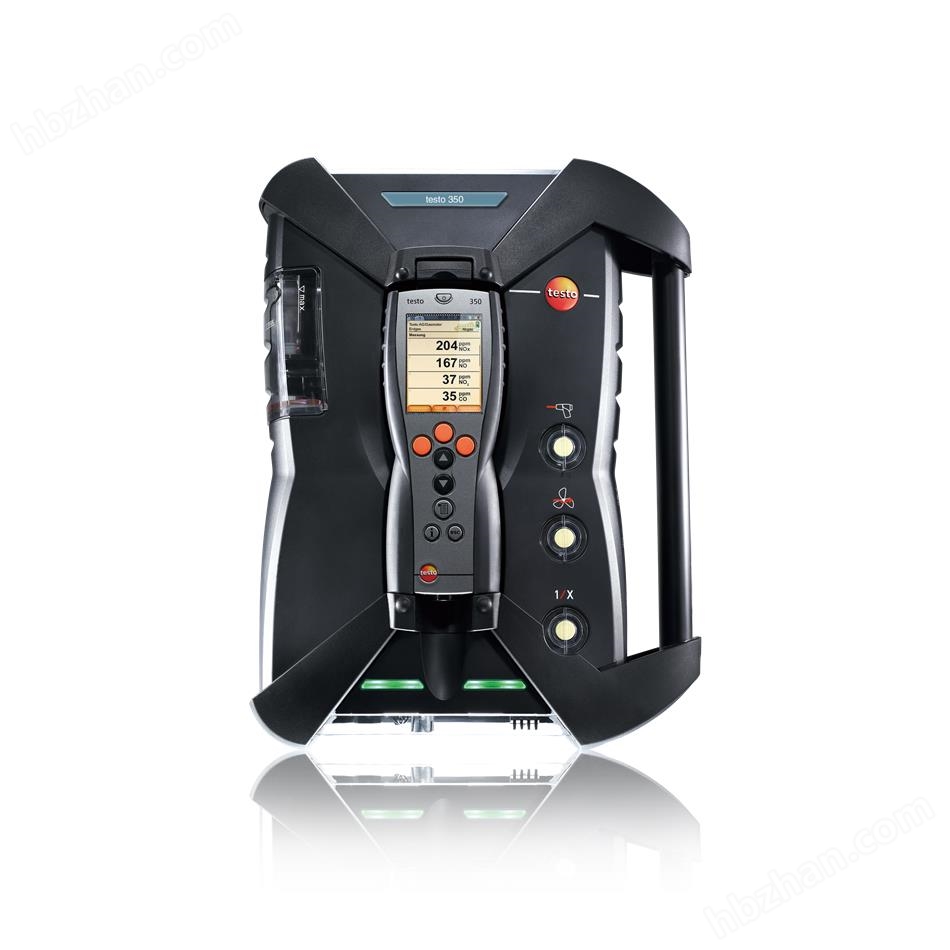
With the improvement of people's living standards and the pursuit of a healthy quality of life, indoor environmental quality has gradually become a focus of public attention. Among these many concerns, monitoring the concentration of carbon dioxide (CO2) is particularly important as it directly affects the freshness of indoor air and the health status of residents. As a specialized tool for monitoring indoor CO2 concentration, the scientific, systematic, and accurate nature of indoor CO2 measuring instruments is crucial.
This measuring instrument usually consists of the following components: CO2 sensor, data processing unit, display interface, and power supply. Among them, the CO2 sensor is the core part of the measuring instrument, which can accurately detect the concentration of CO2 in the environment. At present, commonly used CO2 sensor technologies include infrared absorption type (NDIR), thermal conductivity type, and chemical reaction type. These sensors convert the concentration of CO2 in the environment into electrical signals, which are analyzed and processed by the data processing unit before being presented to the user through a display interface.
The key characteristics of indoor CO2 measuring instruments are their accuracy and real-time performance. Accuracy is mainly reflected in its ability to accurately measure changes in indoor CO2 concentration, while real-time performance is reflected in its ability to continuously monitor dynamic changes in indoor CO2 concentration. This is very important for timely detection of high indoor CO2 concentration, as high CO2 concentration not only affects people's physical health, but also reduces work efficiency.
Scientificity runs through the design and application of indoor CO2 measuring instruments. Taking CO2 sensors as an example, their working principle is based on the characteristic of CO2 gas absorbing specific wavelengths of infrared light. Engineers will design CO2 sensors that can work stably under various environmental conditions based on this principle, combined with advanced manufacturing processes and algorithms. In addition, in order to improve user experience, many measuring instruments are also equipped with intelligent functions such as Bluetooth connection, APP control, etc., making it more convenient for users to obtain and analyze data.
Organization and accuracy run through the entire manufacturing and usage process. Manufacturers will carry out precision machining and strict quality control during the production process to ensure that each part meets design specifications. Regular calibration and maintenance are essential to maintain its accuracy and stability during use. This includes periodic performance testing of sensors, as well as updating and optimizing software algorithms.
In terms of application, indoor CO2 measuring instruments are widely used in public places such as homes, offices, schools, hospitals, etc. In these fields, a good indoor environment is crucial for ensuring people's health and improving their quality of life. Taking households as an example, by monitoring indoor CO2 concentration, users can timely open windows for ventilation or adjust the working status of the air conditioning system, creating a more comfortable living environment. In addition, in densely populated places such as offices or schools, it can help managers effectively monitor air quality and avoid decreased attention and work efficiency caused by high CO2 concentrations.