-
E-mail
info@testo.com.cn
-
Phone
18918106372
-
Address
Building 34, 15, Xinxing Industrial Park, No. 258 Shenzhuan Road, Songjiang District, Shanghai
Product Categories
Detu Instrument International Trade (Shanghai) Co., Ltd


Industrial testo smoke detector
NegotiableUpdate on 03/07
- Model
- Nature of the Manufacturer
- Producers
- Product Category
- Place of Origin
Overview
The key characteristics of the testo smoke detector are its high precision and high reliability. High precision is reflected in its ability to accurately measure the concentration of various components in flue gas, which is crucial for evaluating whether pollutant emissions exceed the standard. High reliability is reflected in its ability to operate stably in harsh industrial environments and provide continuous monitoring data. For example, some smoke detectors use corrosion-resistant materials and optical technology to ensure normal operation even in high temperature, high humidity, and environments containing corrosive gases.
Product Details
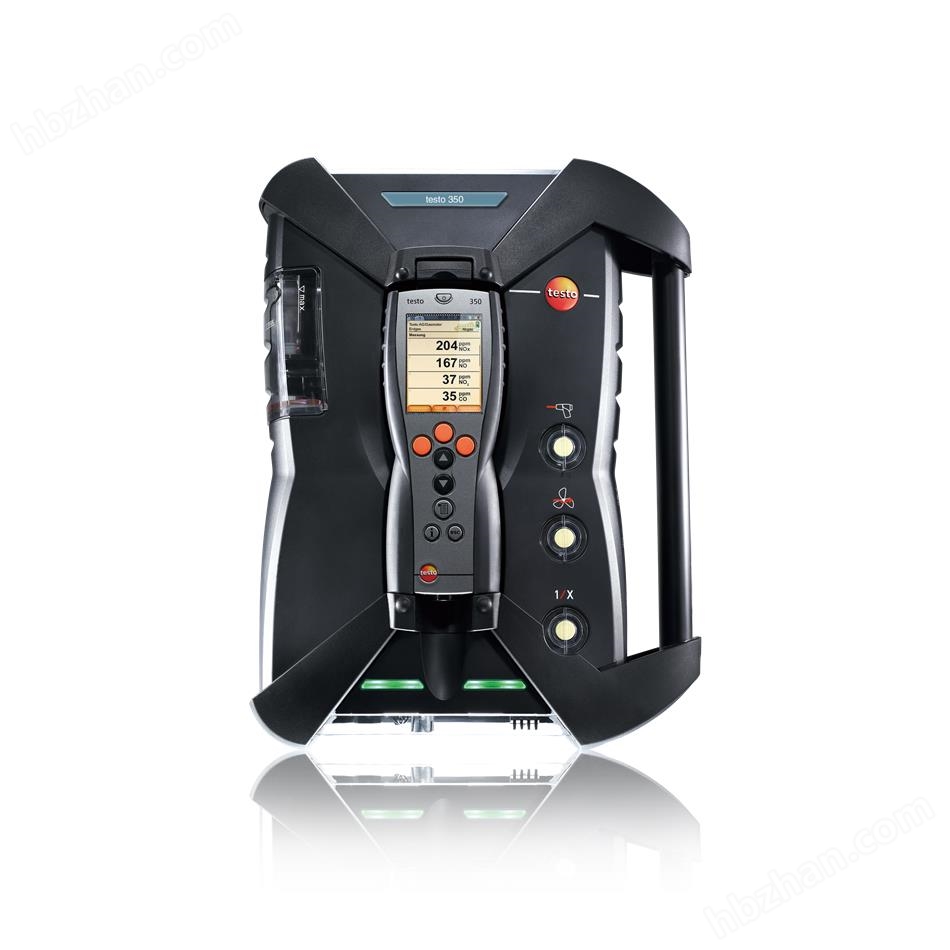
With the rapid development of industrialization and the increasing awareness of environmental protection, monitoring of atmospheric pollutants has become particularly important. Among numerous pollutants, flue gas is one of the main sources, including SO2, NOx, CO, and particulate matter. In order to accurately monitor and control smoke emissions, the testo smoke detector has emerged as an important tool for environmental monitoring. This instrument usually consists of the following components: sampling unit, sensor, data processing unit, and display interface.
The sampling unit is responsible for extracting the flue gas from the flue and conducting preliminary treatment, such as removing impurities and moisture. Sensors are the core of detection instruments, and common types of sensors include electrochemical sensors, infrared sensors, and ultraviolet sensors, which can detect specific components in flue gas in real time. The data processing unit converts the signals from these sensors into digital data and calculates the concentration values of each component through algorithms. These data will be presented to the user on the display interface, and some advanced detectors are also equipped with data storage and remote transmission functions.
The key characteristics of the testo smoke detector are its high precision and high reliability. High precision is reflected in its ability to accurately measure the concentration of various components in flue gas, which is crucial for evaluating whether pollutant emissions exceed the standard. High reliability is reflected in its ability to operate stably in harsh industrial environments and provide continuous monitoring data. For example, some smoke detectors use corrosion-resistant materials and optical technology to ensure normal operation even in high temperature, high humidity, and environments containing corrosive gases.
Scientificity runs through the design and application of smoke detectors. Taking electrochemical sensors as an example, their working principle is based on electrochemical reactions. When a specific gas in the flue gas comes into contact with an electrolyte solution, it will produce a change in current, which is proportional to the gas concentration. Engineers will design sensors that can detect gases at ppm levels or even lower concentrations based on this principle, combining precision electronic and chemical technology.
Organization and accuracy run through the entire manufacturing and usage process. Manufacturers will carry out precision machining and strict quality control during the production process to ensure that each part meets design specifications. Regular calibration and maintenance are essential to maintain its accuracy and stability during use. This includes periodic performance testing of sensors, as well as updating and optimizing software algorithms.
In terms of application, the testo smoke detector is widely used in industrial enterprises such as thermal power plants, petrochemical enterprises, cement plants, waste incineration plants, as well as in the daily monitoring work of environmental protection regulatory departments. In these fields, timely and accurate smoke emission data is crucial for the implementation of environmental regulations and the environmental management of enterprises themselves. Taking thermal power plants as an example, continuous monitoring of SO2 and NOx concentrations in flue gas can effectively control the operation status of desulfurization and denitrification equipment, ensuring emissions meet standards. In addition, for environmental regulatory departments, it can be used for on-site inspections to quickly determine whether a company has engaged in illegal or excessive emissions.