-
E-mail
yun.zhang@evptec.com
-
Phone
19926819212
-
Address
301, Building L, No. 54-6 Guanlan Avenue, Fucheng Street, Longhua District, Shenzhen
Product Categories
Shenzhen Yiweipu Technology Co., Ltd
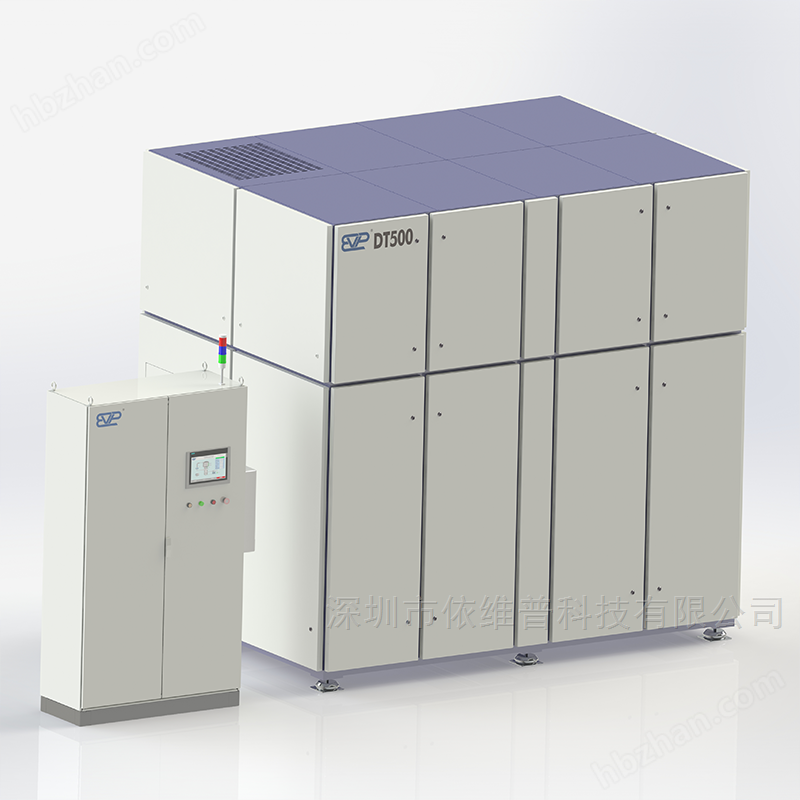
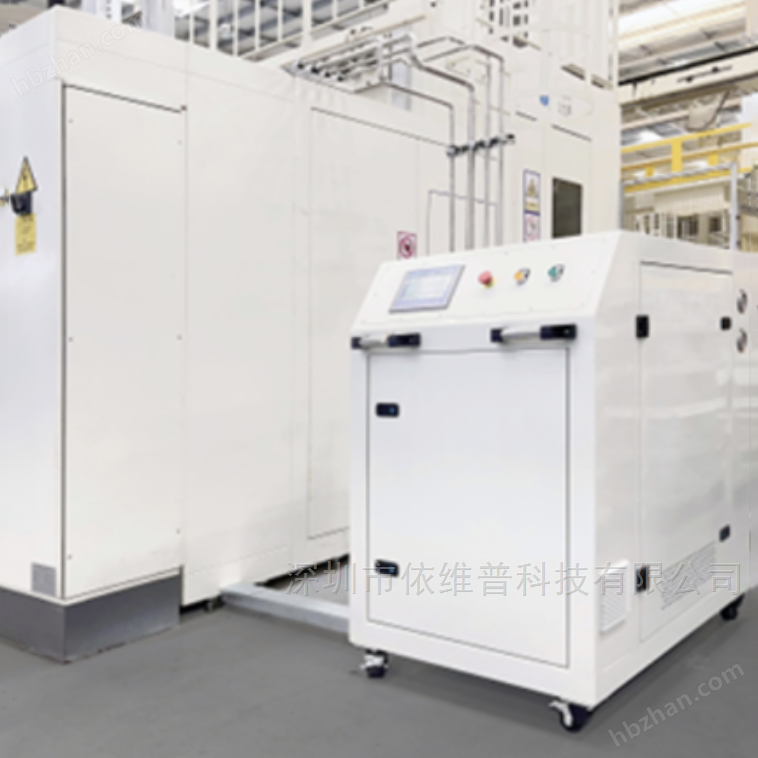


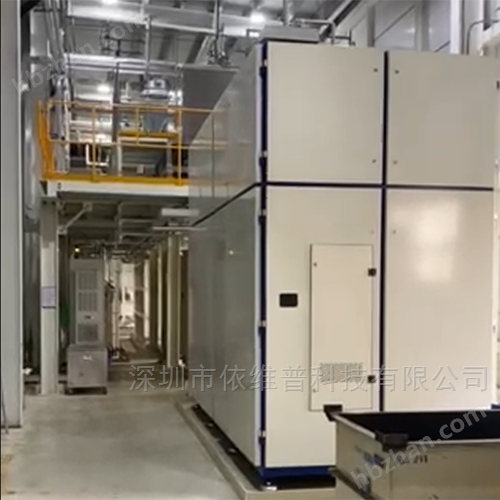
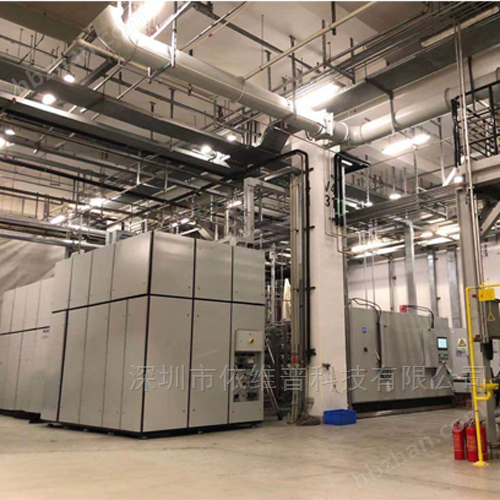
MVR evaporator membrane filtration equipment for power battery process wastewater discharge
NegotiableUpdate on 01/08
- Model
- Nature of the Manufacturer
- Producers
- Product Category
- Place of Origin
Overview
Power battery process wastewater discharge equipment, MVR evaporator membrane filtration equipment for power battery process wastewater discharge is not just a device, but also a good helper to help you calculate the "environmental account" - the initial investment may seem large, but the saved electricity, hazardous waste, and new water fees can often be recouped in two years. Transforming wastewater treatment from a "drag" to a "productivity boost" is the efficient treatment solution that power battery companies should have.
Product Details
Is it difficult to treat wastewater from power batteries? This MVR membrane filtration equipment helps you achieve standards and reuse
Colleagues in the power battery industry know that workshop wastewater treatment can be considered a "major challenge":Wastewater from electrode material preparationThe concentration of heavy metals such as nickel, cobalt, and manganese mixed with chelating agents such as citric acid and ammonia water is frighteningly high;Coating wastewaterThe NMP organic solvent inside causes COD to soar, and if not treated thoroughly, it may exceed environmental standards; andAssembly wastewaterResidual cleaning agentsChemical/fractionation wastewaterThe traces of electrolyte, each type of water has a "temper", traditional processes either cannot handle itcleanEither the operating costs are outrageously high.
In fact, choosing the right equipment can solve these problems easily——MVR evaporator membrane filtration equipment for power battery process wastewater dischargeIt is a tailor-made solution for power battery wastewater, with a system that covers the entire process from concentration to purification, making wastewater treatment both compliant and cost-effective.
First, let's talk about how difficult it is to deal with these wastewater. Have you also been hit?
-
Wastewater from electrode material preparationThere are many heavy metals and mixed components, and the traditional sedimentation method has a large amount of sludge, which can also easily cause waste of resources such as lithium and cobalt;
-
Coating wastewaterNMP and PVDF binders make wastewater "sticky and toxic", difficult to degrade in biochemical treatment, and outsourcing disposal costs are even more expensive than gold;
-
Chemical/fractionation wastewaterLithium salts and organic carbonates in electrolytes, even in trace amounts, can affect emission standards, and a slight lack of attention can lead to crossing the environmental red line;
-
Workshop flushing wastewaterMix some electrode powder today and bring some oil stains on the ground tomorrow. The water quality fluctuates greatly and ordinary equipment cannot withstand it;
-
What's even more troublesome is that when expanding production, the water volume doubles, and the treatment efficiency of old equipment cannot keep up, watching helplessly as the production capacity is stuck in the wastewater process.
How did this device break through? Dual use of "evaporation+membrane filtration" to treat complex wastewater
MVR evaporator membrane filtration equipment for power battery process wastewater dischargeThe core is the golden combination of "negative pressure distillation+ceramic membrane filtration", which precisely focuses on the complexity of power battery wastewater:
Step 1: MVR negative pressure distillation to "concentrate" the wastewater
MVR evaporator uses negative pressure distillation technology to "evaporate" water from wastewater under low pressure environment, leaving heavy metals, organic solvents, and salts in the concentrated solution, reducing the volume of wastewater to 10% of its original size at once.
-
Corrosion resistant and manufacturing resistantThe core vacuum Roots pump uses stainless steel rotors and nickel plated shells, whether it isWastewater from electrode material preparationIs it a strong chelating agent or notCoating wastewaterOrganic solvents cannot harm it, and there is no need to worry about equipment corrosion even after long-term use;
-
Energy savingThe waste heat from steam and distilled liquid will be recovered to preheat the incoming wastewater and treat 1 tonChemical/fractionation wastewaterThe energy consumption of the evaporator is 50% lower than that of traditional evaporators, which can save one set of equipment money in one year's electricity bill;
-
auto-runThe entire process of heating, evaporation, and cleaning is automated, eliminating the need for workers to monitor and adjust parametersWorkshop flushing wastewaterThe water quality suddenly changes, and the integrated dual channel cooling system can also stabilize the steam temperature, ensuring a stable treatment effect.
Step 2: German imported ceramic membrane filtration to make the water "clean enough for reuse"
After distillation, the water is filtered through a ceramic membrane imported from Germany, which is equivalent to providing double protection to the water quality:
-
fine filtration0.1 nanometer level cross flow filtration technology, capable of blockingCoating wastewaterResidual trace NMPAssembly wastewaterThe cleaning agent contains small molecules that do not even allow bacteria and colloids to escape. The filtered water is clear enough to be directly reused in the workshop cleaning process, reducing the cost of new water by 30%;
-
Anti pollution and durableCeramic film is resistant to acid and alkali, high temperature, even ifWastewater from electrode material preparationNo matter how many heavy metal ions are inside, they will not block the membrane pores. The built-in automatic backwash function can restore filtration efficiency by cleaning once every 15 days. The filter element can be used for more than 2 years without frequent replacement of consumables;
-
resource recyclingLithium, cobalt and other metals in the concentrated solution can be further recovered, turning waste into treasure, reducing the amount of hazardous waste disposal and creating additional income.
The benefits of using it are praised by peers: worry free, cost-effective, and compliant
-
Environmentally friendly and stableAfter treatment, the COD of the effluent is less than 50mg/L, and the concentration of heavy metals is much lower than the national standardCoating wastewaterNMP orElectrode material wastewaterBoth nickel and cobalt can meet emission standards, so there is no need to panic about environmental inspections anymore;
-
Reduce costs by halfMVR's waste heat recovery reduces operating electricity costs by half, and the long lifespan of ceramic membranes reduces consumables expenses,Workshop flushing wastewaterThe processing cost has significantly decreased, and modules can be directly added during production expansion without the need for repeated investment;
-
strong adaptabilityWhether it is a small workshop that processes 10 tons per day or a large factory that processes 100 tons per day, modular design can be flexibly adapted,Assembly wastewater、Waste gas treatment wastewaterThese low concentration waters can also be efficiently treated, and one system can be used multiple times.
If you are also struggling with the complexity of power battery wastewater, overwhelmed by high treatment fees and environmental pressures, why not take a look at this setMVR evaporator membrane filtration equipment for power battery process wastewater dischargeIt is not just a device, but also a good helper to help you calculate the "environmental account" - the initial investment may seem large, but the saved electricity, hazardous waste, and new water fees can often be recouped in two years. Transforming wastewater treatment from a "drag" to a "productivity boost" is the efficient treatment solution that power battery companies should have.

 Show original image
 translation
 Copy translation
 Download image
Similar Product Recommend