-
E-mail
3004994300@qq.com
-
Phone
13611928337,15021460884
-
Address
No. 52 Chengliu Road, Jiading District, Shanghai
Product Categories
Shanghai Chuntest Biotechnology Co., Ltd


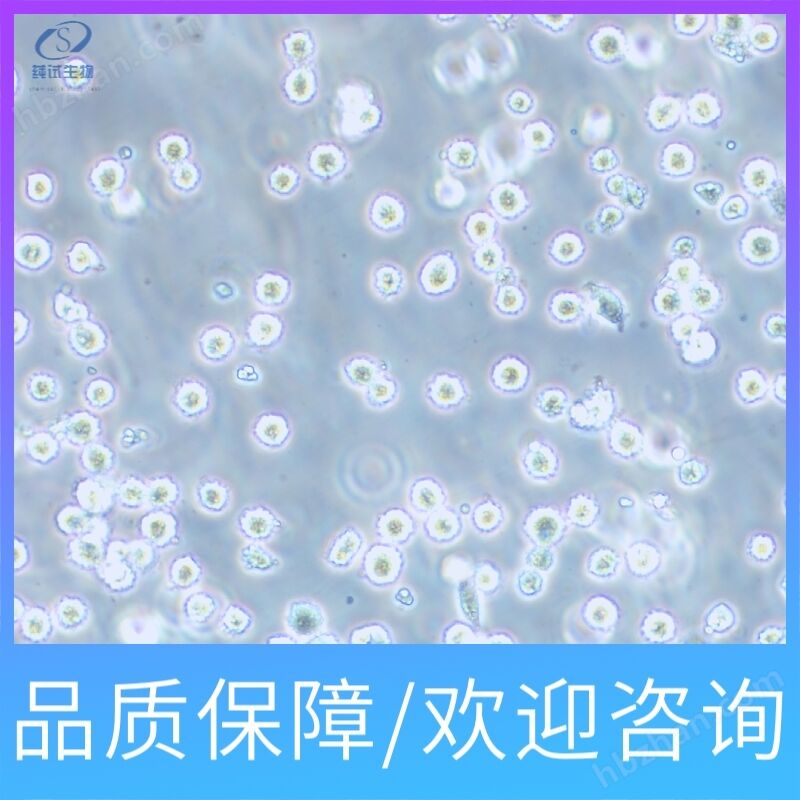

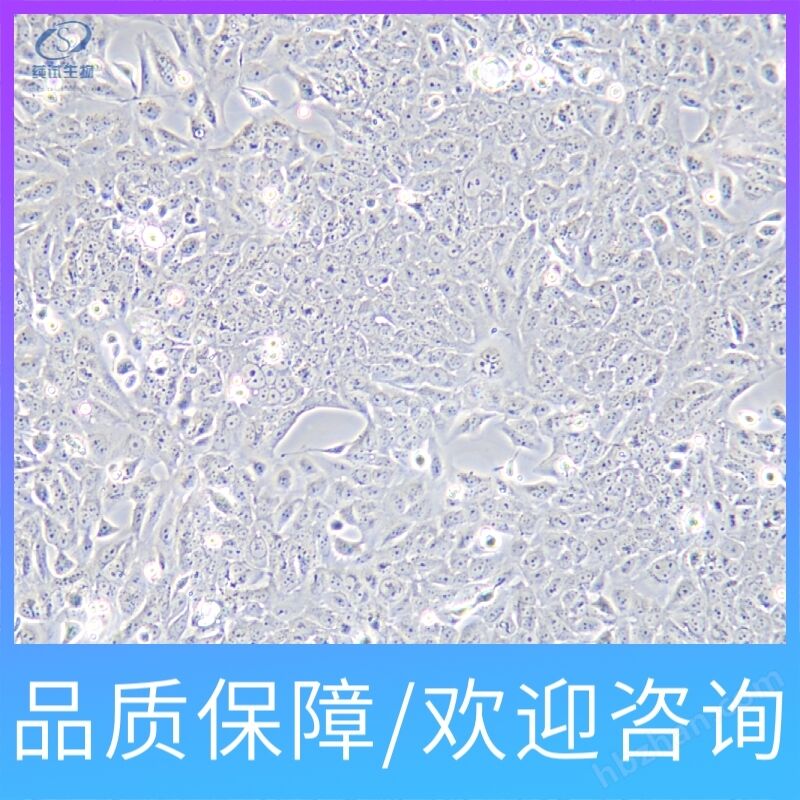
OAR-L1 cell specific culture medium
NegotiableUpdate on 04/24
- Model
- Nature of the Manufacturer
- Producers
- Product Category
- Place of Origin
Overview
Related products of OAR-L1 cell specific culture medium: 3T3 cells transformed from mouse SRSV; SRSV/3T3 mouse hybridoma cells (anti human liver cancer); 5HAE5G8E1D mouse hybridoma cells (anti-P185Rb-2); A21 mouse hybridoma cells; 35.1 human poorly differentiated lung adenocarcinoma cell SK-LU-1 (STR identification correct) human meningioma cell IOMM Lee (STR identification correct) human renal cancer cell A-498 (STR identification correct) human osteosarcoma cell with fluorescein 143B+LUC (STR identification correct) human bone
Product Details
Product Description:

Product Name |
OAR-L1 cell specific culture medium |
Specifications |
1*125ml/500ml |
purpose |
For scientific research experiments only |
Item Number |
EY-XP5476 |
OAR-L1 cell specific culture mediumProduct Introduction
The OAR-L1 cell specific culture medium has been carefully optimized by the team, and after long-term testing, this product can maintain the growth status of OAR-L1 cells.
This product already includesThe various components required for the growth of OAR-L1 cells can be directly used for the cultivation of OAR-L1 cells without the need for any additional ingredients.
Main components of the product
DMEM basic culture medium 445ml
Defined FBS 50 ml
P/S Penicillium su Streptomycin su 5 ml
Transportation and storage
Transportation: Low temperature transportation in an insulated box containing biological ice packs
保存方法:Store at 2 ℃~8 ℃, away from light, for 2 months; -Store at 20 ℃, away from light, for 6 months.
quality control
Test Item |
quality control |
|
clarity |
clarify |
|
PH |
7.3±0.2 |
|
Endotoxin content (EU/mL) |
≤10 |
|
|
Aseptic testing |
bacteria |
negative |
fungus |
negative |
|
Mycoplasma |
negative |
|
|
Cell growth assay |
cell morphology |
normal |
Cell Growth Experiment |
qualified |
|

Notes:
For scientific research purposes only.
Some components in the culture system are harmful to human health. Please do not use exposed skin to come into contact with the liquid in the culture system or containers containing residual liquid in the culture system; The concentration and harmfulness of these harmful substances are relatively low. If there is contact, rinse immediately with tap water.
Cell culture steps:
1、 Preparation of culture medium and culture cryopreservation conditions:
1) Prepare DMEM-H medium (with NaHCO3 1.5g/L added), 90%; Fetal bovine serum, 10%. Suspension culture medium can also be selected according to experimental needs to allow 293T cells to grow in suspension.
2) Cultivation conditions: Gas phase: air, 95%; Carbon dioxide, 5%. Temperature: 37 degrees Celsius, humidity in the incubator is 70% -80%.
3) Cryogenic solution: 90% culture medium, 10% DMSO, ready to use and prepared. Liquid nitrogen storage.
2、 Cell processing:
1) Resuscitate cells: Quickly shake and thaw a cryovial containing 1mL of cell suspension in a 37 ℃ water bath, then add 4mL of culture medium and mix well. Centrifuge at 1000RPM for 4 minutes, discard the supernatant, add 1-2mL of culture medium, and blow evenly. Then add all cell suspensions to the culture bottle and culture overnight (or add the cell suspensions to a 10cm dish, add about 8ml of culture medium, and culture overnight). The next day, change the solution and check the cell density.
2) Cell passage: If the cell density reaches 80% -90%, passage culture can be carried out.
For adherent cells, the following methods can be used for passaging:
1. Discard the culture supernatant and rinse the cells 1-2 times with PBS that does not contain calcium or magnesium ions.
2. Add 2 ml of digestion solution (0.25% Trypsin 0.53mM EDTA) to a culture bottle and place it in a 37 ℃ incubator for digestion for 1-2 minutes. Then observe the cell digestion under a microscope. If most of the cells become round and fall off, quickly take them back to the workstation, tap the culture bottle a few times, and add a small amount of culture medium to terminate digestion.
3. Add 6-8ml/bottle of culture medium, gently mix and aspirate, centrifuge at 1000RPM for 4 minutes, discard the supernatant, add 1-2mL of culture medium and blow evenly.
4. Divide the cell suspension into new dishes or bottles containing 8ml of culture medium in a ratio of 1:2 to 1:5.
3) Cell cryopreservation: When the cells are in good growth condition, cell cryopreservation can be performed. When freezing adherent cells, discard the culture medium and add a small amount. After the cells become round and fall off, add about 1ml of serum containing culture medium to the freezing tube, and then add 10% DMSO for freezing.
How to freeze and preserve cells?
Freezing preservation method 1: Place the freezing tube at 4 ℃ for 30-60 minutes → (-20 ℃ for 30 minutes *) → -80 ℃ for 16-18 hours (or overnight) → store in a liquid nitrogen tank vapor phase for long-term storage.
Freezing preservation method 2: Place the freezing tube in a programmable cooling machine that has been programmed to cool down 1-3 ℃ to below -80 ℃ per minute, and then store it in a liquid nitrogen tank vapor phase for long-term storage. -At 20 ℃, it should not exceed 1 hour to prevent excessive ice crystals from causing massive cell death. This step can also be skipped and placed directly in a -80 ℃ freezer, but the survival rate is slightly reduced.

The products currently being sold by the company:
H9/HTLV-IIIB human T-cell lymphoma leukemia cells |
HT-29 cell specific culture medium |
SK-RC-42 human renal cancer cells |
Capan-2 cell specific culture medium |
NCI-H295R human adrenal cortical adenocarcinoma |
OP9 cell specific culture medium |
KP-N-NS human adrenal neuroblastoma cells |
MC3T3-E1 cell specific culture medium |
SN12-PM6 human renal cancer cells |
SU-DHL-2 cell specific culture medium |
SN12-PM6-LUC human renal cancer cells |
MGC-803 cell specific culture medium |
A498-PLV-LUC-BSD human renal cancer cells |
SNU-C5 cell specific culture medium |
786-O-plv-luc-BSD human renal cancer cells |
J82 cell specific culture medium |
A498-LUC-PURO human renal cancer cells |
KNS-89 cell specific culture medium |
SK-NEP-1 (STR) human nephroblasts |
SKNO-1 cell specific culture medium |
SK-WEP-1 human nephrocyte |
CHO-K1 cell specific culture medium |
Hkb20 (STR) human renal epithelial cells |
NCI-H508 cell specific culture medium |
Phoenix AMPHO human renal epithelial cells |
NCI-H1688 cell specific culture medium |
Lenti-X293T human renal epithelial cells |
KG-1A cell specific culture medium |
Lentix293 human renal epithelial cells |
SW620 cell specific culture medium |
Operation points:
1) Preheat the culture medium in a 37 ℃ water bath; Prepare a 15mL sterile centrifuge tube and add 8mL preheated culture medium.
2) Remove the frozen cells from the liquid nitrogen tank and quickly place them in a 37 ℃ water bath for reheating (a clean beaker can be prepared and filled with 37 ℃ water. After removing the cell freezing tube, quickly place it in the beaker and gradually transfer it to the water bath). Gently shake the cryotube to thaw the cells within 1-2 minutes, allowing them to quickly pass through the vulnerable temperature range (-5~0 ℃). Be careful not to submerge the freezing tube mouth into water to avoid contamination.
3) Wipe the cryotube with 75% alcohol and place it in a super clean table. Transfer the cells inside the tube to a prepared centrifuge tube and gently blow the liquid to evenly disperse the cells and reduce the concentration of DMSO. Avoid creating bubbles during blowing. Wash the tube wall twice with fresh culture medium and transfer both to a centrifuge tube.
4) Centrifuge at 800rpm for 5 minutes, discard the supernatant, add fresh culture medium, and prepare a cell suspension by blowing.
5) Transfer the cell suspension to a T25 cell vial, add an appropriate amount of culture medium, gently shake the cell vial to evenly distribute the cells, and place it in a incubator for cultivation.
6) The next day, observe the cell adhesion growth and replace with fresh culture medium to remove dead cells. Continue to cultivate and passage normally when the cells reach 80-90% confluence. Generally, newly revived cells need to be passaged 2-3 times before subsequent experiments can be conducted after the cell vitality is restored.
