-
E-mail
984573880@qq.com
-
Phone
18953674999
-
Address
No. 2, 1688, 1st row, No. 888 Gao'er Road, Weifang Comprehensive Bonded Zone (registered address)
Product Categories
Shandong Senyang Environmental Technology Co., Ltd


Senyang Environment develops integrated catalytic oxidation equipment
NegotiableUpdate on 02/25
- Model
- Nature of the Manufacturer
- Producers
- Product Category
- Place of Origin
Overview
Senyang Environment's research and development of catalytic oxidation integrated equipment is a device produced for the treatment of high difficulty wastewater with small water volume. The equipment mainly includes a microelectrolysis reaction zone, a Fenton reaction zone, a dosing mixing zone, a coagulation and sedimentation zone, etc. Combine various process equipment freely according to customer needs. Large scale equipment is not suitable for equipment with small water volume, and the cost is high and the combination and movement are difficult. The integrated catalytic oxidation equipment for small water volume solves this problem very well.
Product Details
The catalytic oxidation integrated equipment of Shandong Senyang Environmental Technology Co., Ltd. is an efficient wastewater treatment system that integrates multiple oxidation processes, especially suitable for the pretreatment and deep treatment of high concentration and difficult to degrade industrial wastewater. The following provides a comprehensive analysis of technical characteristics, core advantages, and typical application scenarios:
1Senyang Environment develops integrated catalytic oxidation equipmentTechnical Features
1. Highly integrated design
-Multi process integration: The equipment integrates process modules such as micro electrolysis reaction zone, Fenton oxidation zone, dosing mixing zone, flocculation and sedimentation zone into a single device, solving the problems of large footprint and complex process of traditional separation equipment, especially suitable for small water volume (1-500m ³/d) wastewater treatment scenarios.
-Modular structure: Adopting standardized modular design, the footprint is reduced by 30% -50% compared to traditional processes, supporting rapid installation and flexible expansion, and adapting to the renovation or emergency response needs of old water plants.
2. Efficient reaction mechanism
-Synergistic oxidation: By combining the reduction effect of iron carbon microelectrolysis with the free radical (· OH) degradation ability of Fenton oxidation, the COD removal rate (60% -90%) and decolorization rate (>95%) are significantly improved, especially for difficult to degrade organic compounds such as benzene, phenols, and dyes.
-Dynamic adjustment: Equipped with an automated control system (PLC/SCADA), real-time monitoring of pH, ORP and other parameters, dynamic adjustment of current, voltage and dosage, and optimization of reaction efficiency.
3. Innovation in Materials and Processes
-Corrosion resistant material: The equipment body is made of carbon steel or 316L stainless steel, lined with a five oil three cloth fiberglass anti-corrosion layer, which can withstand strong acid and alkali environments and has a service life of more than 5 years.
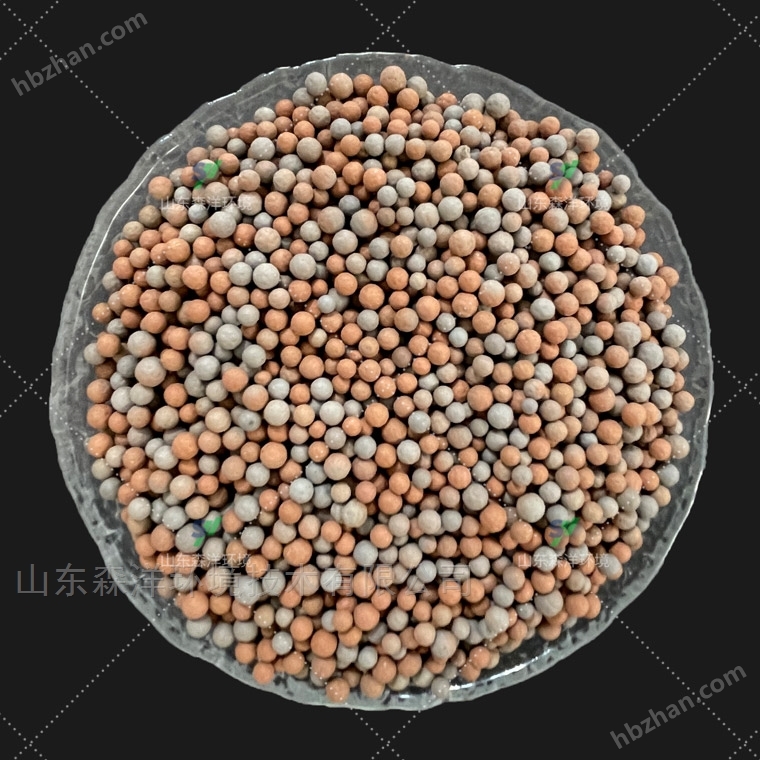
-Anti caking filler: using high-temperature sintered iron carbon filler, porosity>65%, anti caking passivation, service life 3-5 years, annual loss rate less than 10%.
IISenyang Environment develops integrated catalytic oxidation equipmentCore strengths
1. Economy and low operating costs
-Low energy consumption: Micro electrolysis reactions rely on their own electrochemical reactions and do not require external power sources. The cost of treating one ton of water is reduced by more than 50% compared to traditional processes.
-Sludge reduction: Reduce sludge production by 30% -50% and lower subsequent disposal costs.
2. Environmental friendliness
-No secondary pollution: The reaction products are mainly CO ₂ and H ₂ O, with no risk of heavy metal leaching, and the effluent pH is close to neutral, without the need for additional neutralization treatment.
3. Strong environmental adaptability
4. -Tolerant to complex water quality: Suitable for pH 2-9, high salt content (TDS ≤ 8%), high chloride ion content (Cl ⁻ ≤ 15g/L), and drastic fluctuations in COD (such as a sudden increase from 5000mg/L to 15000mg/L).
-Anti impact load: low sensitivity to water quality changes and high operational stability.
3、 Typical application scenarios
1. Chemical and petrochemical industries
-Highly toxic wastewater: treating wastewater containing benzene derivatives, pesticide intermediates, petroleum refining wastewater, etc., with a COD removal rate of over 85%.
2. Pharmaceutical and medical industries
-Difficult to degrade organic matter: degrade antibiotic and hormone wastewater, improve biodegradability (B/C ratio increased from 0.1 to 0.4), and create conditions for subsequent biological treatment.
3. Printing and dyeing and textile industry
-Decolorization and COD removal: Treatment of reactive dye wastewater, decolorization rate>95%, COD removal rate 70% -80%.
4. Electroplating and metal processing industry
-Collaborative treatment of heavy metals: simultaneous removal of heavy metals and organic matter such as Cr ⁶⁺ and Ni ² ⁺, reducing wastewater toxicity.
5. Garbage leachate and municipal sewage
-Deep processing: Pre treat high concentration leachate from garbage (humic acid degradation) or trace pollutants in municipal wastewater (such as drug residues).
Similar Product Recommend