-
E-mail
1394424978@qq.com
-
Phone
18020117778
-
Address
411 Zhonghui Building, No. 20 Jiangjun Avenue, Jiangning District, Nanjing City
Product Categories
Nanjing Gaoyuan Electromechanical Equipment Engineering Co., Ltd


Shallow regulation and storage module
NegotiableUpdate on 03/01
- Model
- Nature of the Manufacturer
- Producers
- Product Category
- Place of Origin
Overview
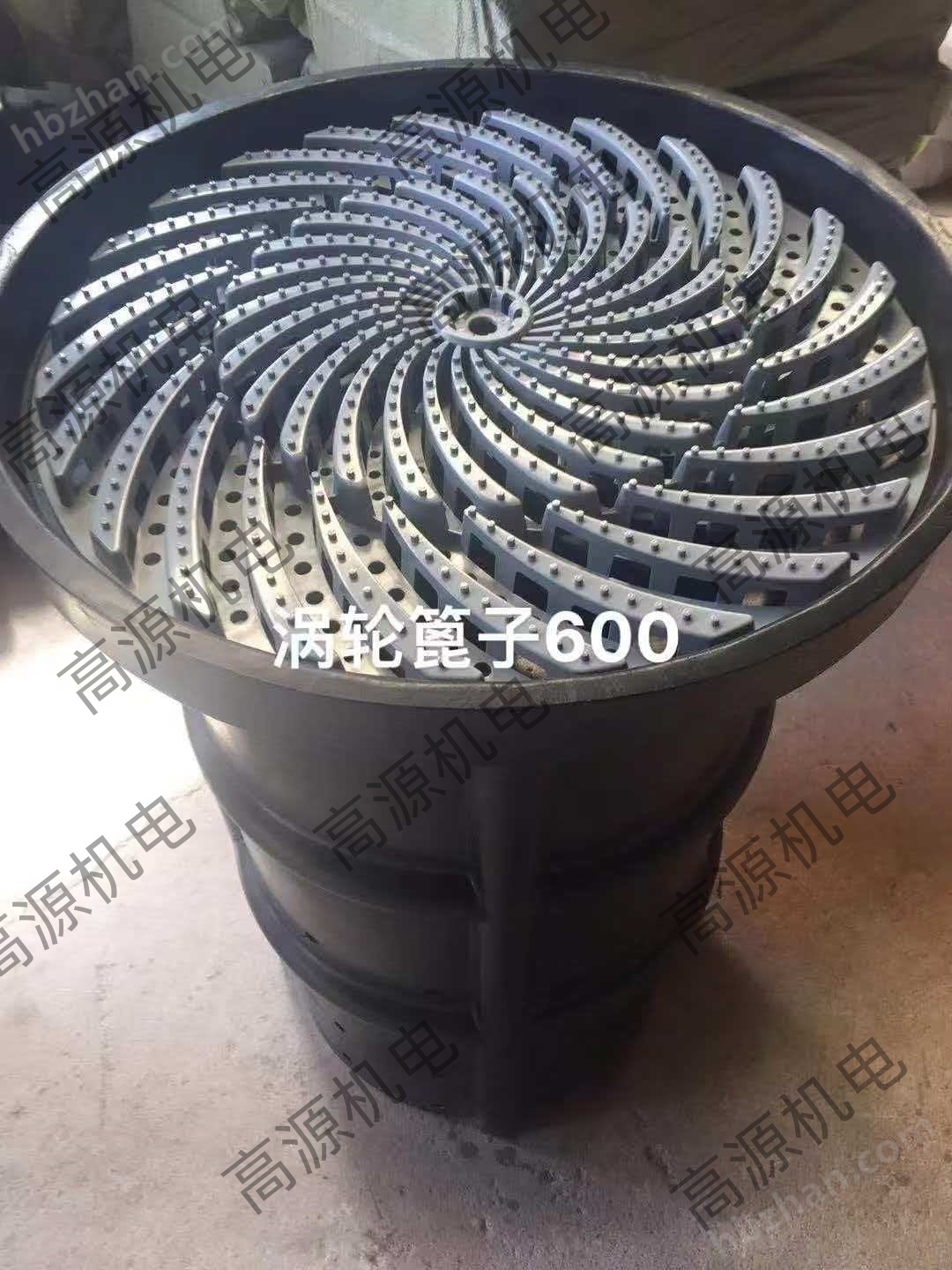
Shallow regulation and storage module, a new type of module with dimensions of 600 * 300 * 300mm, made of green plastic, is a facility for temporarily storing rainwater that cannot be discharged during rainfall periods. It is used to reduce peak rainfall discharge, extend discharge time, and improve drainage system capacity.
Product Details
Shallow regulation and storage module
The regulation and storage module, also known as modular regulation and storage facility, refers to a rainwater regulation and storage facility with high porosity that is assembled using polypropylene (PP) plastic or polyethylene (PE) plastic water storage module boxes.
Typical configuration
1) The modular rainwater storage facility should be equipped with an inlet well, which can ensure that rainwater enters the pool evenly. The inlet of the inlet pipe should be equipped with a sewage interception cover.
2) The plastic module for dredging can be equipped with a built-in cleaning and inspection channel. When the plastic module is equipped with a built-in cleaning and inspection channel, robots, high-pressure cleaning vehicles, sludge suction vehicles, etc. should be used for flushing; When the plastic module does not have a built-in cleaning and inspection channel, a hydraulic cleaning device should be installed. It is recommended to use a submersible sewage pump or blower with a flushing pipe for automatic flushing.
3) The 13 module storage facility for water discharge should use a water pump for emptying, and should be equipped with an outlet well that can ensure even discharge of rainwater outside the pool. The diameter of the venting pipe should be determined based on the venting time calculation, and the capacity of the downstream pipelines and facilities accepted should be reviewed

Shallow regulation and storage module
Application Scenario:
1、 Water regulation and storage
1. Residential rainwater wet pond regulation and storage
The residential water body is regulated and stored, with energy dissipation facilities installed in the inlet section and pollution control and purification facilities installed at the entrance. When using a pre pond as an interception and purification facility, a dredging channel and protective facilities should be set up in the pre pond, and the volume of the sedimentation area should be determined based on the dredging cycle and the SS load of incoming rainwater suspended solids. Ecological embankments should be adopted, with overflow and emptying facilities installed.
2. River and lake regulation and storage
The scale of regulation and storage for inland lake regulation and storage projects should be determined based on the recurrence period of flood prevention and control design. The layout of the inland lake regulation and storage project should be determined based on its functional positioning, topography, surrounding urban planning, land use planning, regional drainage and flood prevention, flood control and water system planning, landscape requirements, and other factors. After the scale and water level of the inland lake regulation and storage project are determined, the water related structures that occupy the regulation and storage capacity must undergo drainage and flood prevention impact assessment before construction. The design of revetments and slope protection for inland lake regulation and storage projects should meet the structural requirements of changes in regulation and storage water levels, and the structural design of revetments, slope protection, and rainwater pipe outlets should be coordinated with each other. The inland lake regulation and storage project should adopt ecological measures such as constructing ecological slope protection and land buffer zones to reduce the pollution of rainwater runoff entering the inland lake regulation and storage project, and also intercept the rainwater in the early stage of rainfall to the sewage system.
2、 Green Square Storage Regulation
Green space and square storage projects should choose a single form or a combination form based on site conditions and storage purposes. Storage facilities should be constructed in conjunction with surrounding green spaces such as urban roads, squares, parking lots, and riverside spaces. When the storage facility has multiple functions, the total storage capacity should be the maximum value among the storage capacities calculated according to each function, and parameters such as storage depth and plane area should be determined based on the type of facility and site conditions.
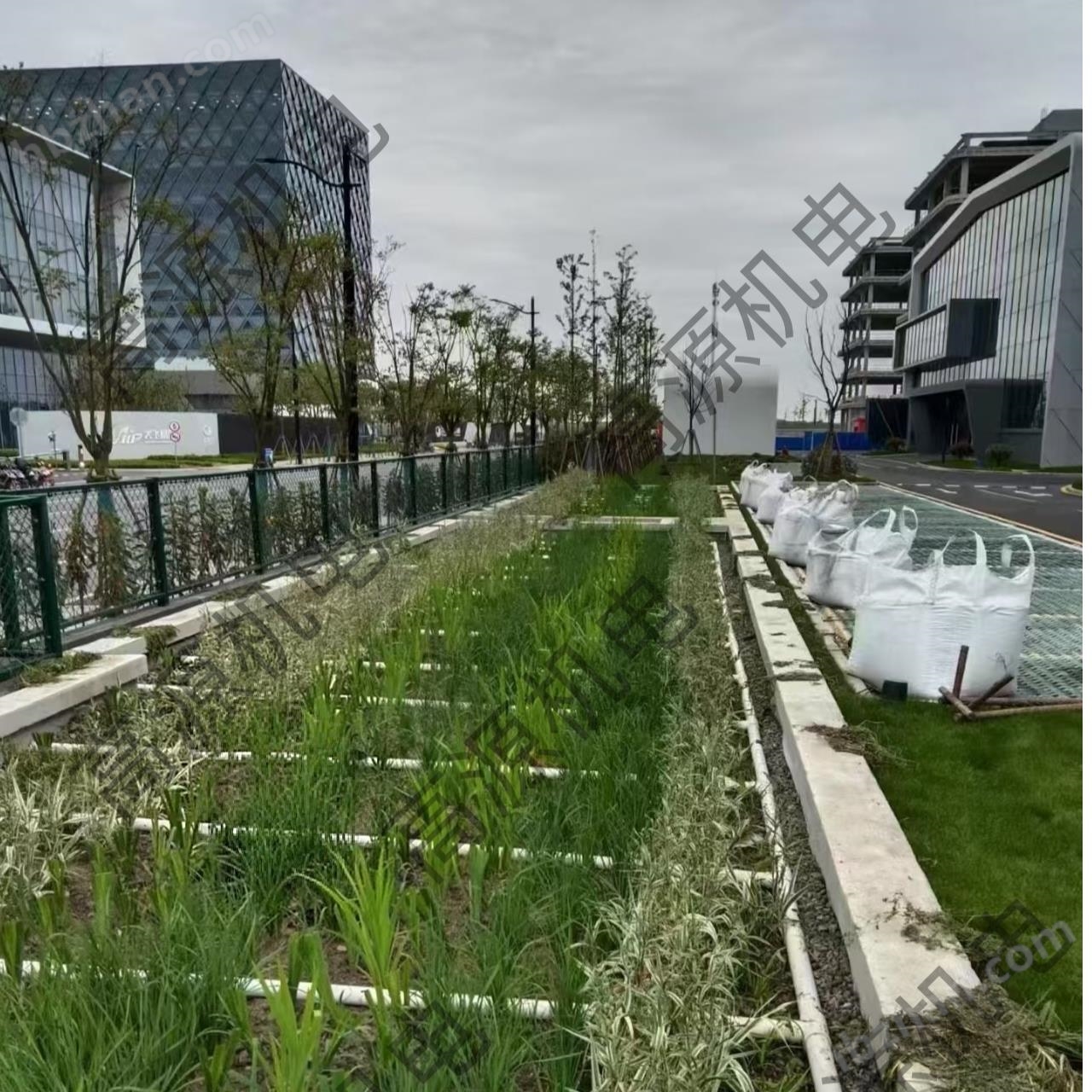
1. Biological retention facilities: can be set up in parking lots, street gardens, both sides of roads, or green spaces in residential areas. Biological retention facilities should be laid on soil foundations, with a water storage layer, cover layer, planting layer, permeable geotextile, and gravel layer set up from top to bottom. The depth of the water storage layer should be determined according to the type of biological retention facility, the flood resistance of plants, and the soil permeability, and should be between 0-300mm, with a superelevation of 100mm; The thickness of the covering layer should be 50mm. When there is a water storage layer, materials such as ceramic particles should be used; When there is no water storage layer, it is advisable to use materials such as pine bark; The type and depth of the planting layer medium should meet the requirements of rainwater purification and comply with the requirements of plant planting; At the bottom of the planting layer, it is advisable to install a long thread permeable geotextile with a density of not less than 200g/m; The thickness of the gravel layer should be 250mm~300mm, and perforated drainage pipes with a diameter of 100mm~150mm can be buried at its bottom.
2. Shallow storage tank design, assembled using pipelines or box culverts; Set up facilities such as inlet and outlet water wells, mud inspection wells, overflow outlets, water intakes, and one-way shut-off valves; It has the function of discharging mud; It is recommended to use graded crushed stones with a particle size of 20mm~50mm around the storage tank with infiltration function. The thickness of the upper and lower crushed stone layers of the storage tank should be greater than 150mm. The distance between two sets of storage tanks should not be less than 800mm. When a perforated pipe is set at the bottom for drainage, it is advisable to choose a long filament geotextile with a particle size of not less than 200g/m. The design of sunken green spaces for flood control, hazard mitigation, and storage should be reasonably determined based on the design storage capacity, green space area, plant flood resistance, soil permeability, and groundwater level, with a recommended depth of 100mm~250mm; Multiple rainwater inlets should be set up, and the elevation of the inlet should be 50mm~100mm higher than the elevation of the catchment ground. Sewage interception and energy dissipation facilities should also be installed; The drainage time for regulated rainwater should not exceed the flood resistance time of vegetation in green spaces; Outlets should be set up in low-lying areas of green spaces and connected to downstream drainage channels.
3. The design of sunken plaza storage facilities should primarily aim to reduce peak flow. Set up dedicated rainwater inlet and outlet, with the inlet elevation preferably 50mm~100mm higher than the water collection ground elevation. Install interception facilities, and the outlet can be designed as a multi-level outlet form; The emptying design should be carried out within 2 hours after the rainfall stops; Set up dredging devices and maintenance channels, set up evacuation channels, warning signs, and warning and forecasting systems.
4. Utilize open spaces such as urban parks to construct multifunctional storage facilities design, combining drainage systems, urban landscapes, vertical planning, and the construction of the park itself. Utilize green spaces and water bodies within the park to play the storage function, and safety protection facilities should be installed in areas within the park that play the storage function.