-
E-mail
2067886464@qq.com
-
Phone
13002785510
-
Address
Hengyi Baolian, Kuiwen District, Weifang City, Shandong Province
Product Categories
- Sodium hypochlorite generator
- Sewage treatment equipment
- Dissolved Air Flotation (DAF) Unit
- Slaughter wastewater treatment equipment
- Integrated prefabricated pump station
- Quartz sand filter
- dosing device
- Reverse osmosis water purification equipment
- Slow-release sterilizer
- Laboratory sewage treatment equipment
- MBR sewage treatment equipment
Shandong BenQ Environmental Protection Equipment Co., Ltd


Conghua City Laboratory Sewage Treatment Equipment
NegotiableUpdate on 02/06
- Model
- Nature of the Manufacturer
- Producers
- Product Category
- Place of Origin
Overview
The wastewater in the sewage treatment equipment of Conghua City laboratory includes excess samples, standard curves and sample analysis residues, expired storage and washing liquids, and a large amount of washing water. Almost all routine analysis projects have varying degrees of wastewater pollution issues. These wastewater contain a wide range of components, including organic matter, heavy metal ions, harmful microorganisms, relatively rare bacterial toxins, various pesticide residues, drug residues, etc.
Product Details
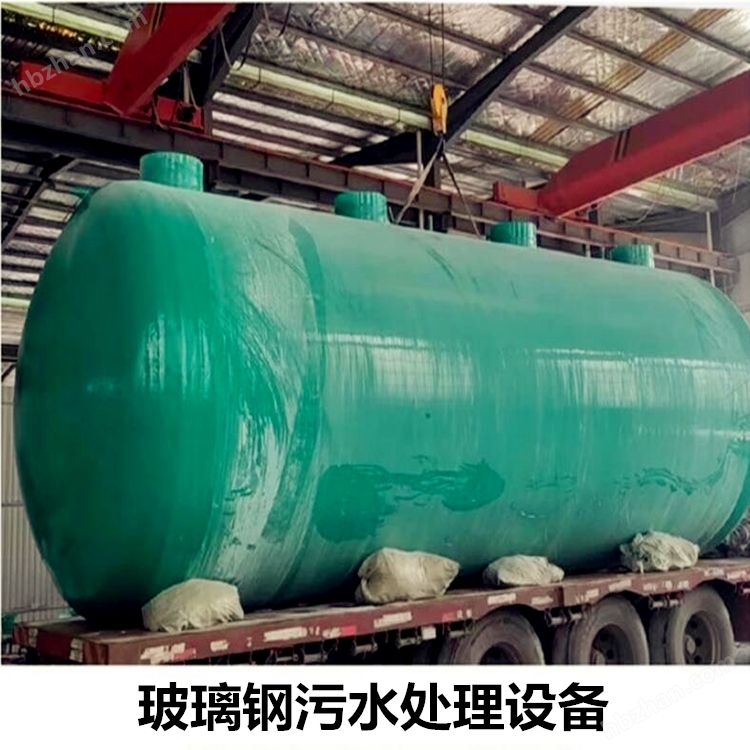
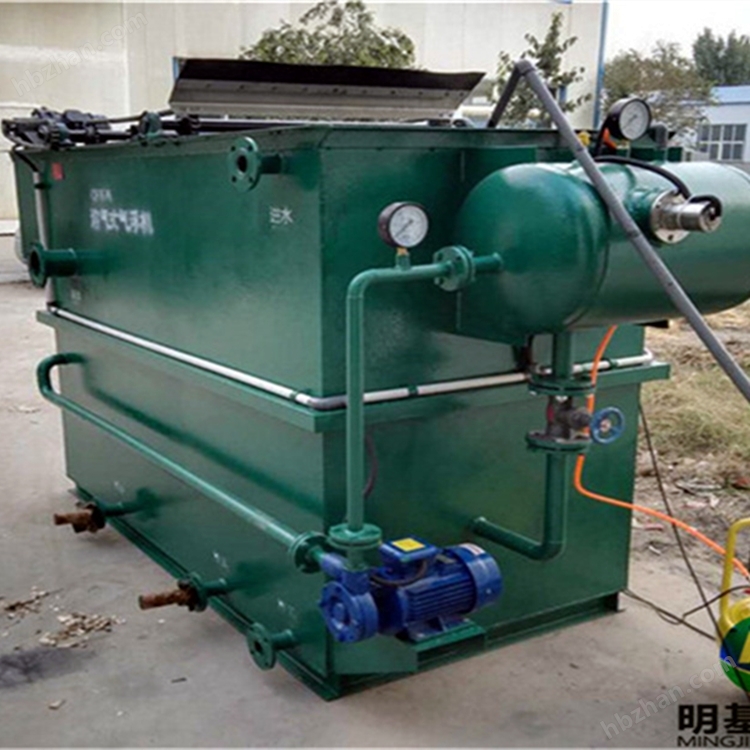
Conghua City Laboratory Sewage Treatment EquipmentThe wastewater in the middle includes excess samples, standard curves and sample analysis residues, expired storage and washing liquids, a large amount of washing water, etc. Almost all routine analysis projects have varying degrees of wastewater pollution issues. These wastewater contain a wide range of components, including organic matter, heavy metal ions, harmful microorganisms, relatively rare bacterial toxins, various pesticide residues, drug residues, etc.
Handling method:
Biological treatment method
A sewage treatment method that converts organic pollutants in solution, colloid, and fine suspended state in wastewater into stable and harmless substances through the metabolic action of microorganisms. According to the different microorganisms involved, biological treatment can be divided into two types: aerobic biological treatment and anaerobic biological treatment. Aerobic biological treatment is widely used in wastewater biological treatment
Traditionally, aerobic biological treatment methods are divided into two categories: activated sludge method and biofilm method. The activated sludge process itself is a treatment unit with multiple operating modes. The treatment equipment belonging to the biofilm method includes biofilters, biological turntables, biological contact oxidation tanks, and recently developed biological fluidized beds. Biological oxidation pond method, also known as natural biological treatment method. Anaerobic biological treatment, also known as bioreduction treatment, is mainly used to treat high concentration organic wastewater and sludge. The main processing equipment used is a digestion tank.
Learn Processing Methods
A wastewater treatment method that separates and removes dissolved or colloidal pollutants from wastewater through chemical reactions and mass transfer, or converts them into harmless substances. In chemical treatment, the production of biochemical products is achieved by adding chemical agents
Conghua City Laboratory Sewage Treatment Equipment

The processing units based on learning reactions include coagulation, neutralization, oxidation-reduction, etc; The processing units based on mass transfer include extraction, stripping, stripping, adsorption, ion exchange, electrodialysis, and reverse osmosis. The latter two processing units are collectively referred to as membrane separation technology. The processing unit that utilizes mass transfer has both chemical and physical effects related to it, so it can also be separated from chemical processing methods and become another type of processing method, called physical-chemical method.
Application Scenario:
Biopharmaceuticals: wastewater generated from physical and chemical analysis, quality inspection rooms, laboratories, etc;
Oilfield petrochemicals: wastewater generated by central laboratories such as oil extraction plants, refineries, and environmental monitoring stations;
Enterprises: Wastewater generated by central laboratories, quality inspection rooms, laboratories, and other laboratories.
Animal husbandry and veterinary medicine: wastewater generated by animal epidemic prevention, pathogenic microorganisms and other laboratories;
Drug inspection: wastewater generated by laboratories such as chemical rooms and drug rooms
Central blood station: wastewater generated by testing laboratories, central laboratories, quality control laboratories, and other laboratories;
Product quality inspection: wastewater generated by laboratories such as food analysis rooms;
Environmental monitoring: wastewater generated by laboratories such as water analysis rooms and trace analysis rooms;
Agricultural Technology Center: Wastewater generated by laboratories such as chemical rooms and residue rooms;
Medical examination center: wastewater generated by physical and chemical laboratories, testing laboratories, and other laboratories;
Higher education institutions: wastewater generated by laboratories such as the School of Chemical Engineering, the School of Materials Science, the School of Environment, the School of Food Science, and the School of Agriculture;
Research institutes: laboratory wastewater generated during the research process by research institutes, testing centers, inspection centers, etc;
■ Center for Disease Control and Prevention: Wastewater generated by physical and chemical testing, microbiology, PCR, P2, P3, P4 and other laboratories;
Equipment features:
1. Adopting fully automatic control;
2. Compact structure and small footprint;
3. Low total cost, corrosion resistance, and long service life;
4. Low operating costs and stable effluent quality.
Similar Product Recommend