-
E-mail
2067886464@qq.com
-
Phone
13002785510
-
Address
Hengyi Baolian, Kuiwen District, Weifang City, Shandong Province
Product Categories
- Sodium hypochlorite generator
- Sewage treatment equipment
- Dissolved Air Flotation (DAF) Unit
- Slaughter wastewater treatment equipment
- Integrated prefabricated pump station
- Quartz sand filter
- dosing device
- Reverse osmosis water purification equipment
- Slow-release sterilizer
- Laboratory sewage treatment equipment
- MBR sewage treatment equipment
Shandong BenQ Environmental Protection Equipment Co., Ltd
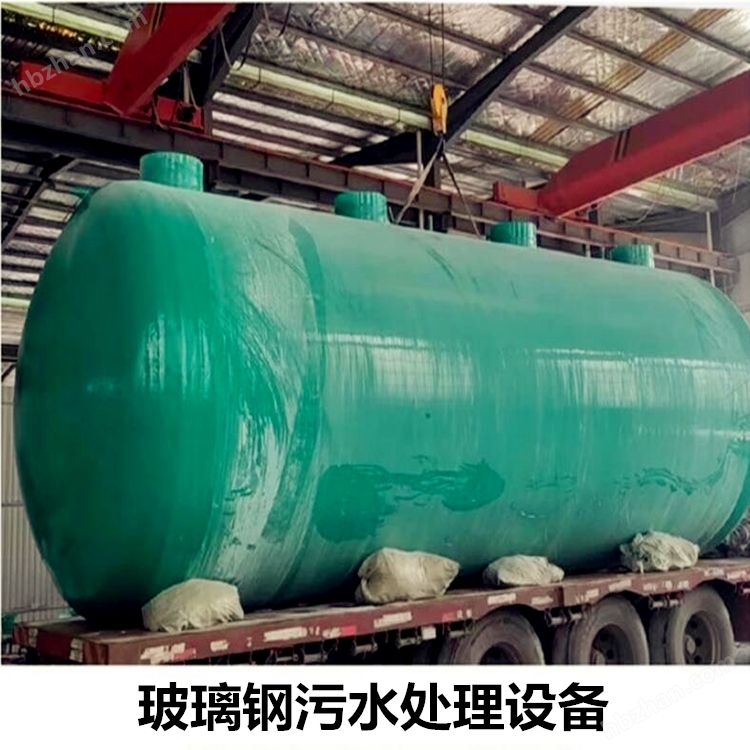


Overview of wastewater treatment equipment in aquaculture farms
NegotiableUpdate on 02/12
- Model
- Nature of the Manufacturer
- Producers
- Product Category
- Place of Origin
Overview
Overview of wastewater treatment equipment in aquaculture farms: Wastewater can be treated by biological methods to ensure that the discharged water meets the standards for discharge and does not cause pollution to the environment. At the same time, the equipment can also be buried underground without occupying too much land area.
Product Details
Overview of wastewater treatment equipment in aquaculture farmsWastewater can be treated by biological methods to ensure that the discharged water meets the standards for discharge without causing pollution to the environment. At the same time, the equipment can also be buried underground without occupying too much land area.
Equipment type:
Biological processing equipment
Aeration tank: It belongs to aerobic biological treatment equipment, which promotes aerobic degradation of microorganisms by injecting air into sewage, and decomposes organic matter in sewage.
Biological filter: Utilizing microbial membranes on filter media to degrade organic matter and ammonia nitrogen in wastewater, it can be divided into aerobic biological filter and anaerobic biological filter, and selected according to different stages and requirements of wastewater treatment.
Biological contact oxidation tank: It is a biofilm treatment equipment consisting of a tank body, packing material, and aeration system. Microorganisms grow and reproduce on the packing carrier, adsorb and decompose organic matter in sewage.
Membrane bioreactor (MBR): combines biological treatment with membrane separation technology to improve sewage treatment efficiency and effluent quality through the filtration effect of membrane components. It can intercept activated sludge and large molecular organic matter in the bioreactor, achieving efficient solid-liquid separation.
Sedimentation tank/flocculation sedimentation tank: By adding coagulants, suspended solids and colloidal substances in wastewater are formed into flocs and precipitated, which helps to further remove suspended solids and colloidal substances from wastewater.
Disinfection equipment: such as ultraviolet sterilizers, chlorine disinfection equipment, ozone disinfection equipment, etc., used to kill pathogenic microorganisms in sewage and ensure the safety of effluent water quality.
Sludge treatment equipment: including sludge concentration tanks, sludge dewatering machines, sludge drying machines, etc., used to treat sludge generated during biological treatment processes, reduce sludge volume, and facilitate transportation and disposal.
Overview of wastewater treatment equipment in aquaculture farms
Grille cleaning equipment:
It is mainly used to remove large suspended solids, impurities, and floating objects in sewage, such as feces, feed residues, etc., to prevent blockage of subsequent treatment equipment. It is usually installed on the inlet channel of sewage treatment or at the inlet of the pumping station collection tank.
Regulating tank: used to regulate the flow and quality of sewage, ensuring the stable operation of subsequent treatment units through storage and homogenization, and stabilizing the water quality and quantity of sewage.
Lifting equipment: such as submersible sewage pumps, dry pumps, screw pumps, etc., used to lift and transport sewage, ensuring smooth flow of sewage between various treatment units. Submersible sewage pumps are suitable for dirty, viscous, and slippery liquids containing solid substances; Dry pumps are installed in ground pump rooms or independent cylinder wells, separated from water storage areas.
Solid liquid separation equipment:
Common ones include screw stacking machines, vibrating screens, solid-liquid separators, etc., which can first separate sewage into solid and liquid, and recycle organic solid particles for composting, etc., which can help reduce the wear and blockage of subsequent treatment equipment.
Air flotation equipment:
Suspended solids, oils, and colloidal substances in wastewater are lifted up by the entrainment of fine bubbles and removed by a scraper. Air flotation equipment is usually used in conjunction with dissolved air systems to improve the efficiency of air flotation separation.
Application scope:
Emergency scenarios
Construction category: road construction sheds, dormitory areas for construction sites, temporary living quarters for field exploration teams, etc
Event category: Emergency sewage treatment for temple fair stalls, night market stalls, and temporary toilets during music festivals.
Remote areas: areas that cannot be covered by pipeline networks such as island resorts and mountain forest protection stations.
Domestic wastewater:
Food processing: Organic wastewater from tofu workshops, oil mills, small breweries, slaughterhouses, pickle factories, etc.
Breeding category: flushing wastewater from breeding farms and chicken farms; Pre treatment of circulating water in fish ponds.
Light industry category: paint wastewater from car washing shops, small printing and dyeing factories, furniture factories (without strong chemical agents).
Service industry: Sewage from bathhouses, hair salons, and restaurants after grease traps
Domestic sewage;
Rural areas: single family homes, concentrated residential areas, township health centers, village committee office buildings, etc.
Urban and surrounding areas: old residential areas without municipal pipelines, self built houses in suburban areas, small community service stations, etc.
Tourism related: homestays, farmhouses, tourist centers in scenic areas, camping sites, public toilets in highway service areas, etc.
Similar Product Recommend