-
E-mail
jiachenhuanbao@163.com
-
Phone
15133798595
-
Address
No. 4 Road, Botou Development Zone
Product Categories
Cangzhou Jiachen Environmental Protection Machinery Equipment Co., Ltd

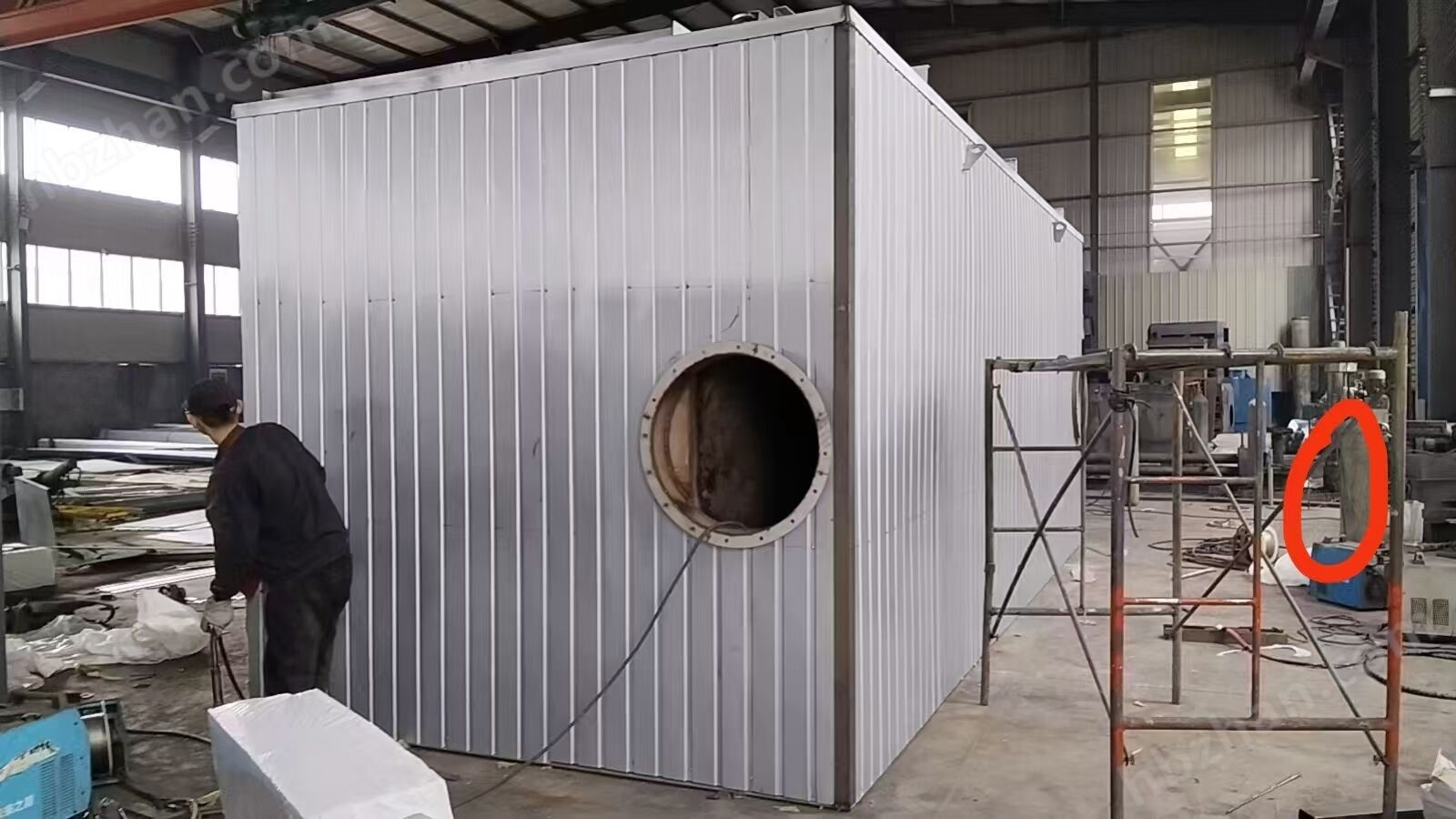


Laser cutting flue gas box dust collector offline bag pulse
NegotiableUpdate on 04/01
- Model
- Nature of the Manufacturer
- Producers
- Product Category
- Place of Origin
Overview
The offline bag pulse of laser cutting flue gas box dust collector is the core equipment in the industrial dust removal field, and its scientific selection directly determines the dust removal efficiency, operational stability, and maintenance costs. When selecting, it is necessary to focus on core parameters such as air volume, filtration air speed, dust removal efficiency, temperature and pressure resistance, and filter material material. At the same time, a comprehensive judgment should be made based on actual conditions such as dust characteristics, flue gas temperature, and pressure under working conditions.
Product Details
Laser cutting flue gas box dust collector offline bag pulse
As a key equipment for industrial flue gas purification, the selection process of the gas box dust collector directly affects the overall operation effect of the dust removal system. If the parameters are not matched properly, it may not only fail to meet environmental emission standards, but also lead to frequent equipment failures and a sharp increase in operation and maintenance costs. Therefore, mastering the core selection parameters and matching logic of air box dust collectors is crucial for industrial enterprises.
Firstly, the processing air volume is the basic parameter for selecting an air box dust collector, which refers to the amount of flue gas that the equipment needs to process per unit time, usually in meters per hour. When selecting, the total amount of flue gas generated by the production process should be determined, and a margin of 10% -20% should be reserved to avoid overloading of the gas box dust collector due to fluctuations in operating conditions. For example, if the exhaust gas emissions from cement kilns are large, it is necessary to choose a type of air box dust collector with a large air volume for processing, while small mechanical processing workshops can be matched with small and medium-sized air box dust collectors. If the air volume is insufficient, the flue gas cannot be purified in a timely manner, which will cause dust leakage; If the air volume is too high, it will increase the energy consumption of the fan and may reduce the stability of the filtered air speed.
Secondly, the filtering wind speed is the core performance indicator of the air box dust collector, which is the speed at which the flue gas passes through the filter material, measured in m/min. The selection of filtering wind speed is closely related to the characteristics of dust. For fine particles and high viscosity dust, a lower filtering wind speed (0.8-1.2m/min) should be used to avoid dust adhering to the surface of the filter material and being difficult to remove, resulting in increased resistance of the air box dust collector; For coarse particles and low viscosity dust, the filtration wind speed can be appropriately increased (1.2-1.5m/min) to improve equipment processing efficiency. If the filtering wind speed is not selected properly, it will seriously affect the filtering effect and filter material service life of the air box dust collector.
Dust removal efficiency is a key requirement for the selection of air box dust collectors, which must meet national and local environmental emission standards. The dust removal efficiency of an air box dust collector mainly depends on the material of the filter material, the filtration speed, and the cleaning method. High quality filter materials (such as PTFE coated filter materials) can achieve a dust removal efficiency of over 99.9%, which is suitable for working conditions with high environmental requirements. When selecting, it is necessary to match the dust emission limit with the designed dust removal efficiency of the air box dust collector to ensure compliance with emission standards. For example, the sintering machine in the steel industry has strict requirements for the emission of flue gas and dust. It is necessary to choose an efficient gas box dust collector and match it with a cleaning system to ensure stable dust removal efficiency.
The temperature and pressure resistance performance is also an important parameter for selecting a gas box dust collector, which needs to be adapted to the temperature and pressure conditions of the flue gas. The temperature of flue gas varies greatly in different industries, for example, the temperature of boiler flue gas can reach 200-300 ℃, while the temperature of mechanical processing flue gas is usually below 80 ℃. The filter material and box body material of the air box dust collector should be selected according to the flue gas temperature. High temperature working conditions should use high-temperature resistant filter material (such as fiberglass filter material) and heat-resistant steel to avoid equipment damage due to high temperature; At the same time, the design pressure of the air box dust collector should be greater than the actual pressure of the flue gas to prevent deformation of the box or leakage of flue gas.
The selection of filter material directly affects the filtration effect and service life of the air box dust collector, and needs to be comprehensively judged based on factors such as dust characteristics, flue gas temperature, and chemical corrosiveness. Common filter materials include polyester, fiberglass, PTFE, etc. Polyester filter materials are suitable for normal temperature and general dust conditions, with high cost-effectiveness; Fiberglass filter material has excellent high temperature resistance and is suitable for high temperature flue gas above 200 ℃; PTFE filter material has the characteristics of acid and alkali resistance and strong anti viscosity, and is suitable for dust working conditions with strong corrosiveness and high viscosity. When selecting, targeted selection of filter material is necessary to ensure the long-term stable operation of the air box dust collector.
In addition, factors such as the cleaning method of the air box dust collector (such as pulse cleaning, back blowing cleaning), installation space, and ease of operation and maintenance also need to be considered in the selection. The pulse cleaning method has good cleaning effect and low energy consumption, and is currently the mainstream choice for air box dust collectors; The installation space should be determined according to the workshop layout to avoid installation being affected by equipment size mismatch with the site; The convenience of operation and maintenance is related to the long-term cost of equipment use, and it is necessary to choose a type of air box dust collector with a reasonable structure and easy maintenance.
In short, the selection of air box dust collectors should be based on core parameters such as processing air volume, filtration air speed, dust removal efficiency, temperature and pressure resistance, and filter material material, and comprehensively matched according to actual working conditions. When selecting, enterprises should fully investigate the characteristics of flue gas, dust parameters, and environmental protection requirements in the production process. If necessary, professional technical personnel should be consulted to ensure that the selected gas box dust collector can meet the purification needs while achieving a balance between economy and stability, providing guarantees for the efficient operation of green industrial production.Laser cutting flue gas box dust collector offline bag pulse
Similar Product Recommend


