-
E-mail
2470379490@qq.com
-
Phone
13718238054
-
Address
Beijing
Product Categories
- Liquid nitrogen cooling system
- Low temperature injection system
- low-temperature mill
- MBE liquid nitrogen low-temperature system
- Dewar flask
- Liquid nitrogen circulation system
- Liquid nitrogen spray fluidization quick freezing machine
- Liquid nitrogen heat exchange system
- Low temperature equipment
- Liquid nitrogen monitoring and replenishment system
Beijing Deshi Technology Co., Ltd


Liquid nitrogen cooling system equipment Electronic equipment Low temperature environment can be customized
NegotiableUpdate on 03/04
- Model
- Nature of the Manufacturer
- Producers
- Product Category
- Place of Origin
Overview
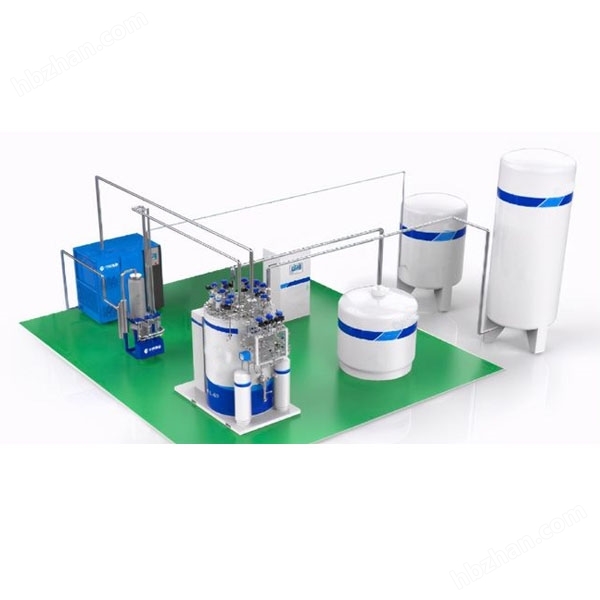
The liquid nitrogen cooling system equipment and electronic devices can be customized for low-temperature environments. It is a device that uses liquid nitrogen (boiling point about -196 ℃) to evaporate and absorb heat to achieve ultra-low temperature cooling. Its core principle is based on heat conduction, evaporative cooling, and efficient heat transfer mechanism of heat transfer pipes: heat is transferred through the contact between liquid nitrogen and the cooled object, combined with liquid nitrogen evaporation to absorb a large amount of heat and rapidly cool down, while using high thermal conductivity metal heat transfer pipes to improve the efficiency of cold utilization. The system consists of liquid nitrogen storage tanks (double-layer structure to reduce evaporation loss), stainless steel conveying pipelines (to prevent leakage and pollution), and cooling equipment adapted to different needs (such as freezers and coolers)
Product Details
The liquid nitrogen cooling system is a professional equipment based on ultra-low temperature refrigeration technology. Its core principle is to utilize the evaporation and heat absorption characteristics of liquid nitrogen (boiling point -196 ℃), and provide a stable ultra-low temperature environment for the cooled object through precise cold transfer and control. This system can quickly reduce the temperature of the target object to a low level, significantly improving equipment performance and process efficiency, and widely adapting to the harsh requirements of ultra-low temperature environments in modern industrial production, scientific research, and other fields. It is the core solution for achieving high-precision low-temperature control.

Liquid nitrogen cooling system equipment Electronic equipment Low temperature environment can be customized
Core design principles
The refrigeration efficiency of liquid nitrogen cooling system relies on the precise application of low-temperature physical characteristics, and its design principles cover three core mechanisms:
Coordinated cooling of heat conduction and evaporation
Liquid nitrogen absorbs heat through direct contact with the object being cooled, utilizing the thermal conduction effect; At the same time, liquid nitrogen evaporates rapidly under normal pressure, which requires the absorption of a large amount of latent heat. Under the dual action, it can quickly lower the temperature of the cooled object to around -196 ℃, achieving rapid cooling.
Optimization of efficient cold transfer
The system integrates high thermal conductivity metal material heat pipes, which efficiently transfer the ultra-low temperature cold of liquid nitrogen to the cooled object by strengthening the cold conduction path, greatly reducing cold loss, improving refrigeration efficiency, and ensuring the uniformity and stability of the low-temperature environment.
Dynamic Balance Control Logic
By relying on real-time monitoring and adjustment of parameters such as temperature, pressure, and liquid level, the system can dynamically adjust the supply of liquid nitrogen according to the heat changes of the cooled object. While meeting the low-temperature requirements, it avoids liquid nitrogen waste and achieves a precise balance between refrigeration efficiency and energy consumption.
Key components and characteristics
The stable operation of the liquid nitrogen cooling system relies on the collaborative work of the four core components, and each part is specially optimized for the characteristics of ultra-low temperature environments
Liquid nitrogen storage tank
As the core storage unit of liquid nitrogen, it adopts a double-layer sealed structure design: the inner layer is made of high-strength stainless steel material, which can withstand ultra-low temperature and liquid nitrogen impact; The outer layer is a vacuum insulation layer, which can minimize the intrusion of external heat, significantly reduce the natural evaporation loss of liquid nitrogen, and ensure the continuous liquid supply capacity of the system.
Liquid nitrogen transport pipeline
Made of corrosion-resistant and low-temperature resistant stainless steel material, the inner wall of the pipeline is finely treated to reduce the flow resistance of liquid nitrogen. At the same time, it has excellent sealing performance, effectively preventing liquid nitrogen leakage and external pollutant invasion, ensuring efficient transmission of cold capacity and safe system operation.
Multi functional cooling equipment
According to the requirements of different application scenarios, equipment such as freezers, dedicated coolers, and customized refrigeration machines can be configured, which can be precisely connected to the cooled object through heat pipes. Whether it is small devices or large equipment, targeted cooling can be achieved to meet the full scenario requirements from laboratory trials to industrial mass production.
intelligent control system
Integrated high-precision monitoring components such as temperature sensors, liquid level sensors, and pressure sensors, coupled with programmable control modules, can real-time collect system operating parameters (temperature, liquid nitrogen level, pipeline pressure, etc.). By automatically adjusting the liquid nitrogen supply and start stop status, precise control of ultra-low temperature environments is achieved, while also having abnormal alarm functions to ensure the safe and stable operation of the system.
Core application areas
The liquid nitrogen cooling system, with its stable ultra-low temperature control capability, has become the "low-temperature cornerstone" of core processes in multiple fields. Its typical application scenarios include:
Superconducting electronic equipment field
Superconducting materials can exhibit zero resistance characteristics in ultra-low temperature environments. The liquid nitrogen cooling system provides a stable -196 ℃ environment for superconducting cables, superconducting magnets, and other equipment, ensuring optimal conductivity and magnetic field strength. It is widely used in different fields such as energy transmission and medical imaging (such as superconducting nuclear magnetic resonance).
Preparation of High Temperature Superconducting Materials
The crystal structure and superconducting properties of high-temperature superconducting materials are highly dependent on the low-temperature environment during the preparation process. The system precisely controls the temperature gradient during material synthesis, reduces impurity generation, improves the critical superconducting temperature and current carrying capacity of materials, and provides key guarantees for the research and mass production of new superconducting materials.
Chemical synthesis reaction
For chemical reactions that require low-temperature conditions (such as organic synthesis and preparation of drug intermediates), the system can provide an adjustable low-temperature environment from -50 ℃ to -196 ℃, effectively suppressing side reactions, improving the selectivity and purity of the target product, while reducing energy consumption and safety risks during the reaction process.

Liquid nitrogen cooling system equipment Electronic equipment Low temperature environment can be customized
Optics and Optoelectronics Research
In scenarios such as optical device testing and fiber optic communication equipment debugging, the system can cool core components such as photodetectors and laser devices, reduce the impact of thermal noise on equipment performance, and improve signal transmission stability and detection accuracy; Simultaneously ensuring the stable physical properties of optical materials at low temperatures, providing reliable environmental support for cutting-edge optical research.
product value
The liquid nitrogen cooling system breaks through the temperature limitations of traditional refrigeration technology through precise control of ultra-low temperature environments, providing low-temperature support for efficient operation of industrial production and in-depth exploration of scientific research. Its stable refrigeration performance, flexible scene adaptability, and intelligent control logic make it a core equipment in the field of modern low-temperature technology, helping various industries achieve efficiency leaps and technological breakthroughs in ultra-low temperature applications.
Similar Product Recommend