-
E-mail
2470379490@qq.com
-
Phone
13718238054
-
Address
Beijing
Product Categories
- Liquid nitrogen cooling system
- Low temperature injection system
- low-temperature mill
- MBE liquid nitrogen low-temperature system
- Dewar flask
- Liquid nitrogen circulation system
- Liquid nitrogen spray fluidization quick freezing machine
- Liquid nitrogen heat exchange system
- Low temperature equipment
- Liquid nitrogen monitoring and replenishment system
Beijing Deshi Technology Co., Ltd
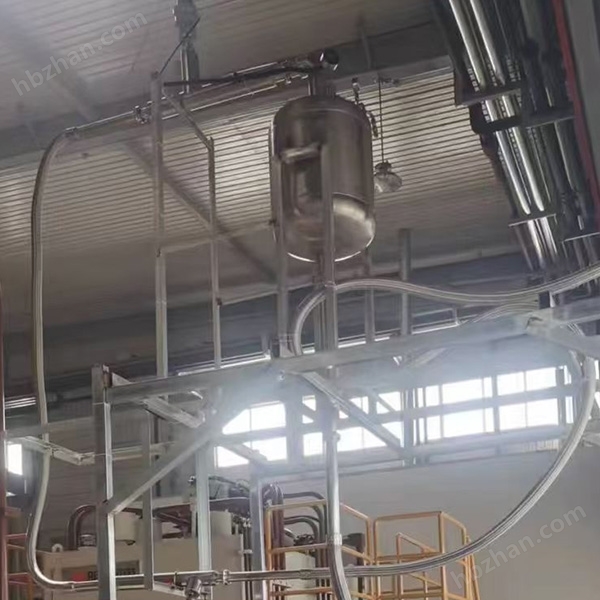
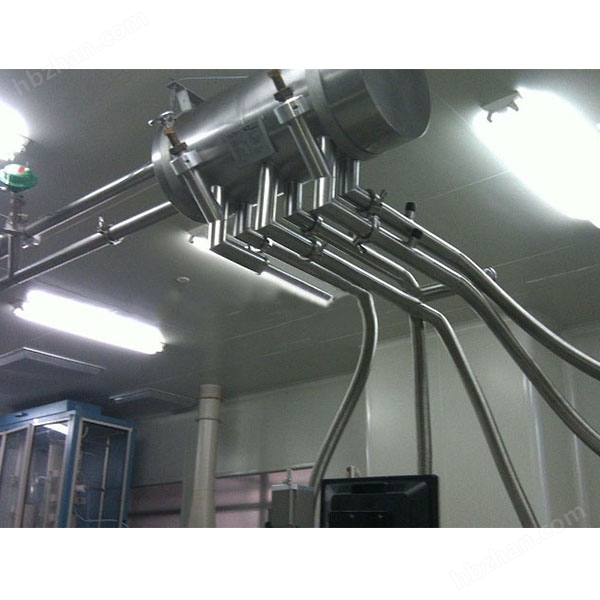
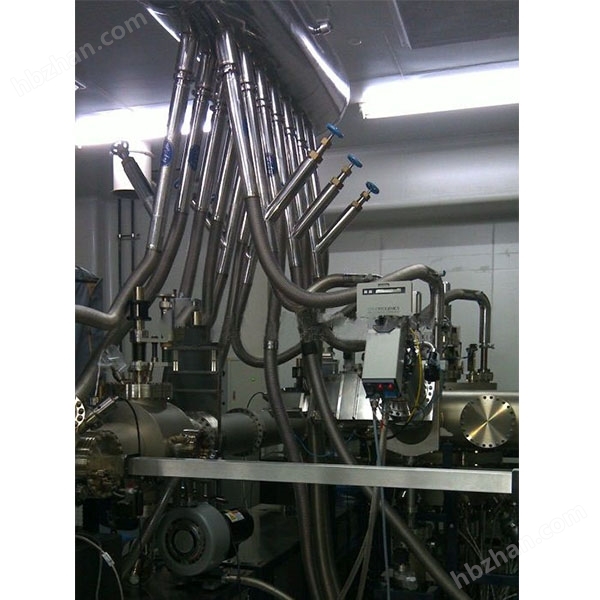
Molecular beam epitaxy MBE liquid nitrogen low-temperature system
NegotiableUpdate on 03/04
- Model
- Nature of the Manufacturer
- Producers
- Product Category
- Place of Origin
Overview
The molecular beam epitaxy MBE liquid nitrogen low-temperature system is a key technology for preparing high-quality single crystal thin films in ultra-high vacuum environments. In order to achieve material purity and precise interface control, MBE systems must effectively suppress thermal radiation and residual gas contamination from inside the cavity. The liquid nitrogen refrigeration system plays the role of a "low-temperature guardian" here.
Product Details
Molecular beam epitaxy MBE liquid nitrogen low-temperature systemIt is a key technology for preparing high-quality single crystal thin films in ultra-high vacuum environments. In order to achieve material purity and precise interface control,MBEThe system must effectively suppress thermal radiation and residual gas contamination from inside the cavity. The liquid nitrogen refrigeration system plays a role here“Low temperature guardian”The role.

1 The liquid nitrogen refrigeration systemMBEThe core functions and importance of
The liquid nitrogen refrigeration system uses it-196°C(77K)The extremely low temperature mainly achieves the following three key functions:
Thermal radiation shielding(Cryo-shielding):MBEHeating sources inside the growth chamber (such as substrate heating blockseffusion cellThe temperature of the furnace can reach hundreds or even thousands of degrees, producing strong thermal radiation. These thermal radiations can directly or indirectly heat other components (such as cavity walls, shutters), causing them to deflate, breaking the vacuum level, and becoming a source of pollution. Liquid nitrogen cold trap andshroudsBy absorbing these thermal radiations, the background heat load of the chamber is greatly reduced, maintaining the thermal stability of the system.
Capture residual gas(Cryo-pumping / Gettering): Even under ultra-high vacuum, there are still trace amounts of residual gas molecules inside the chamber (such as...)H₂ O, CO, CO ₂, O₂Etc.). Once these molecules adsorb onto the surface of the growing lattice, they become deadly impurities. The surface cooled by liquid nitrogen (especially the internally wrapped cold screen) resembles a“Low temperature trap”When residual gas molecules collide with their surface, they will be firmly trapped due to the loss of kinetic energy“freeze”Adsorption effectively removes these pollutants from the vacuum environment, creating a“Ultra clean”The growth environment. This is to obtain high mobility semiconductor materials (such asGaAsTheAlGaAs)The premise.
Protect critical components: Liquid nitrogen systems are also commonly used for coolingMBEAnother core component of——Reflective high-energy electron diffraction(RHEED)Gun.RHEEDGuns generate a large amount of heat during operation, and if not effectively cooled, their own thermal deformation and deflation will seriously affect the stability and vacuum degree of the electron beam. Liquid nitrogen cooling ensuresRHEEDThe stability and accuracy of the signal provide a guarantee for real-time monitoring of crystal growth in situ.
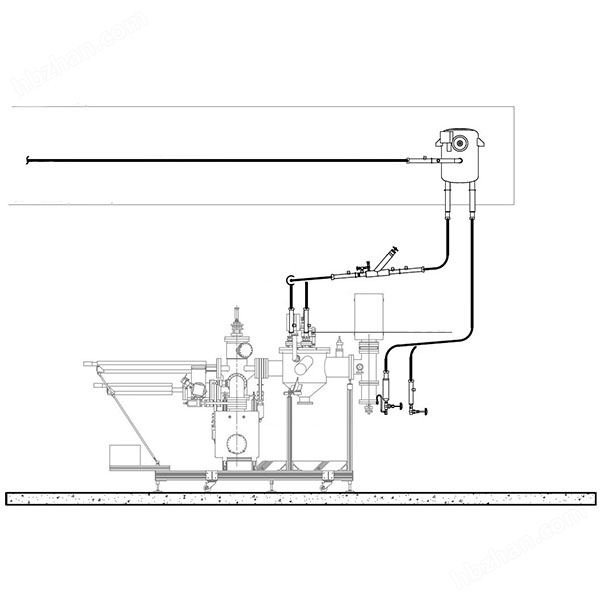
Molecular beam epitaxy MBE liquid nitrogen low-temperature system
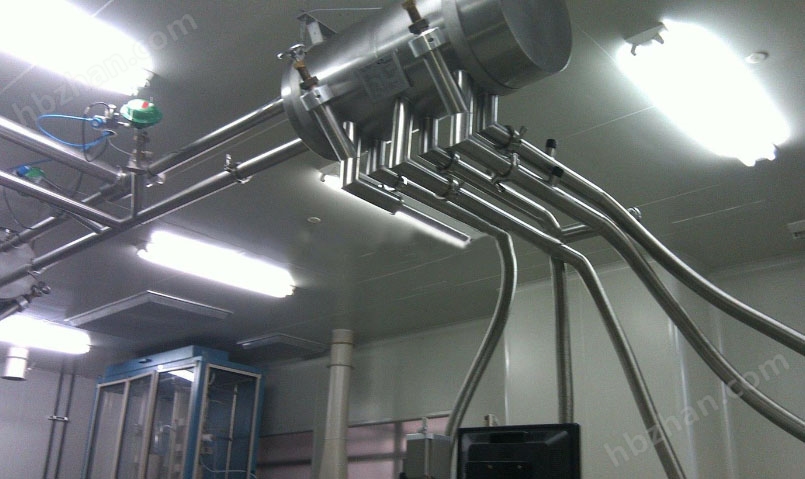
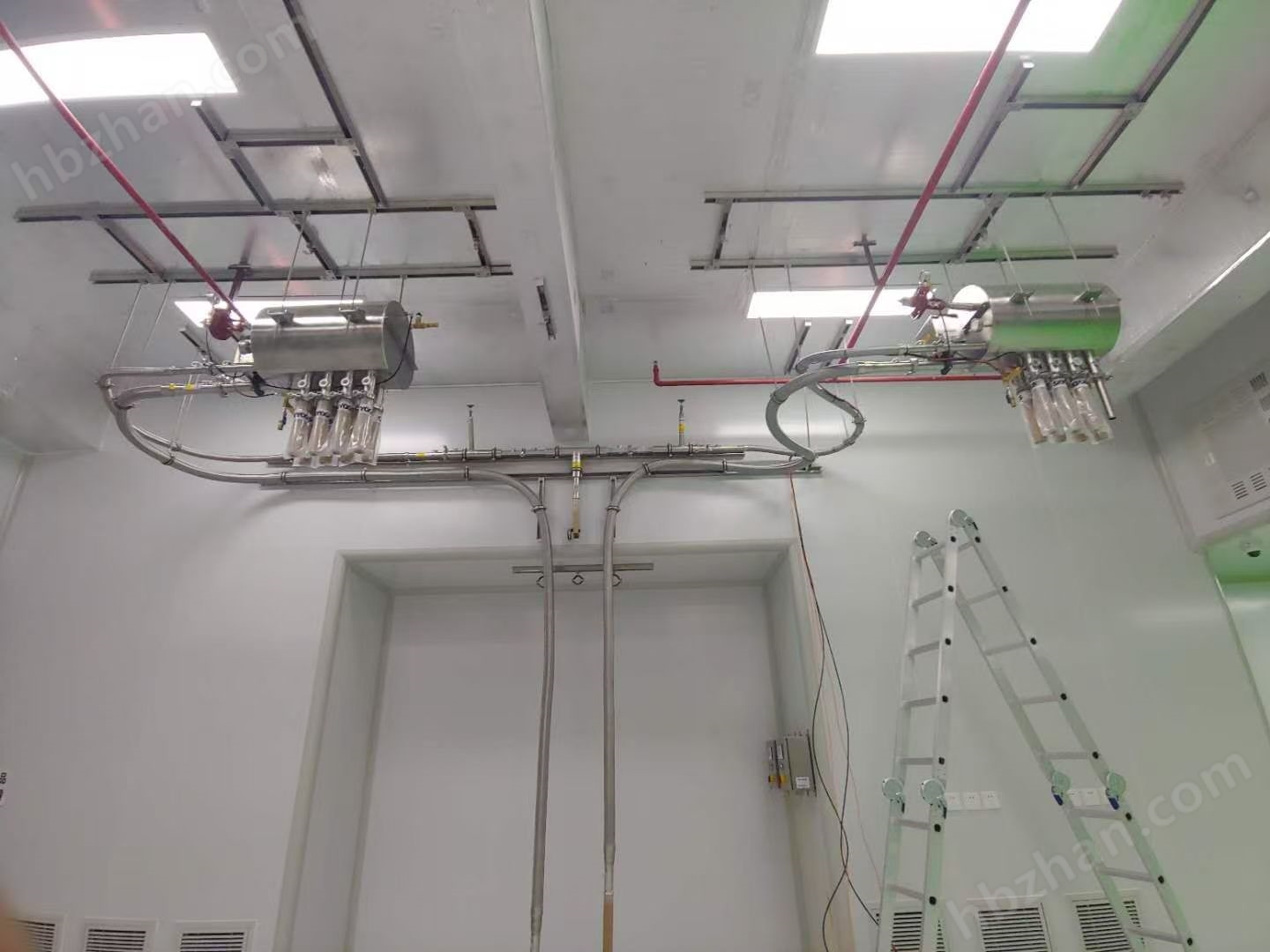
II Composition and working principle of liquid nitrogen refrigeration system
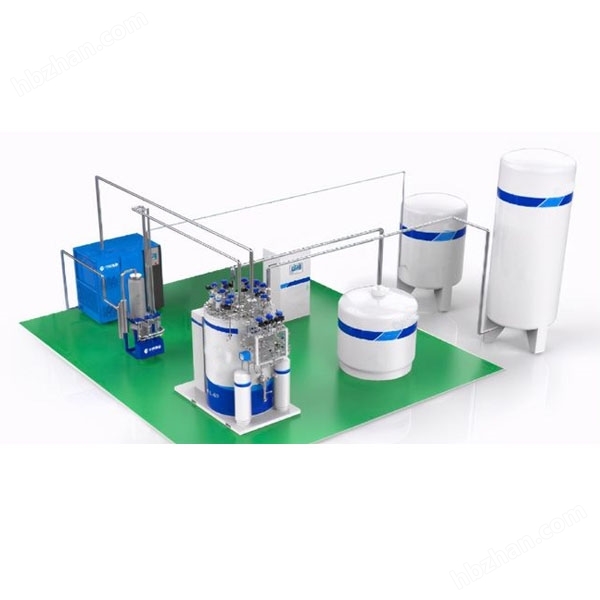
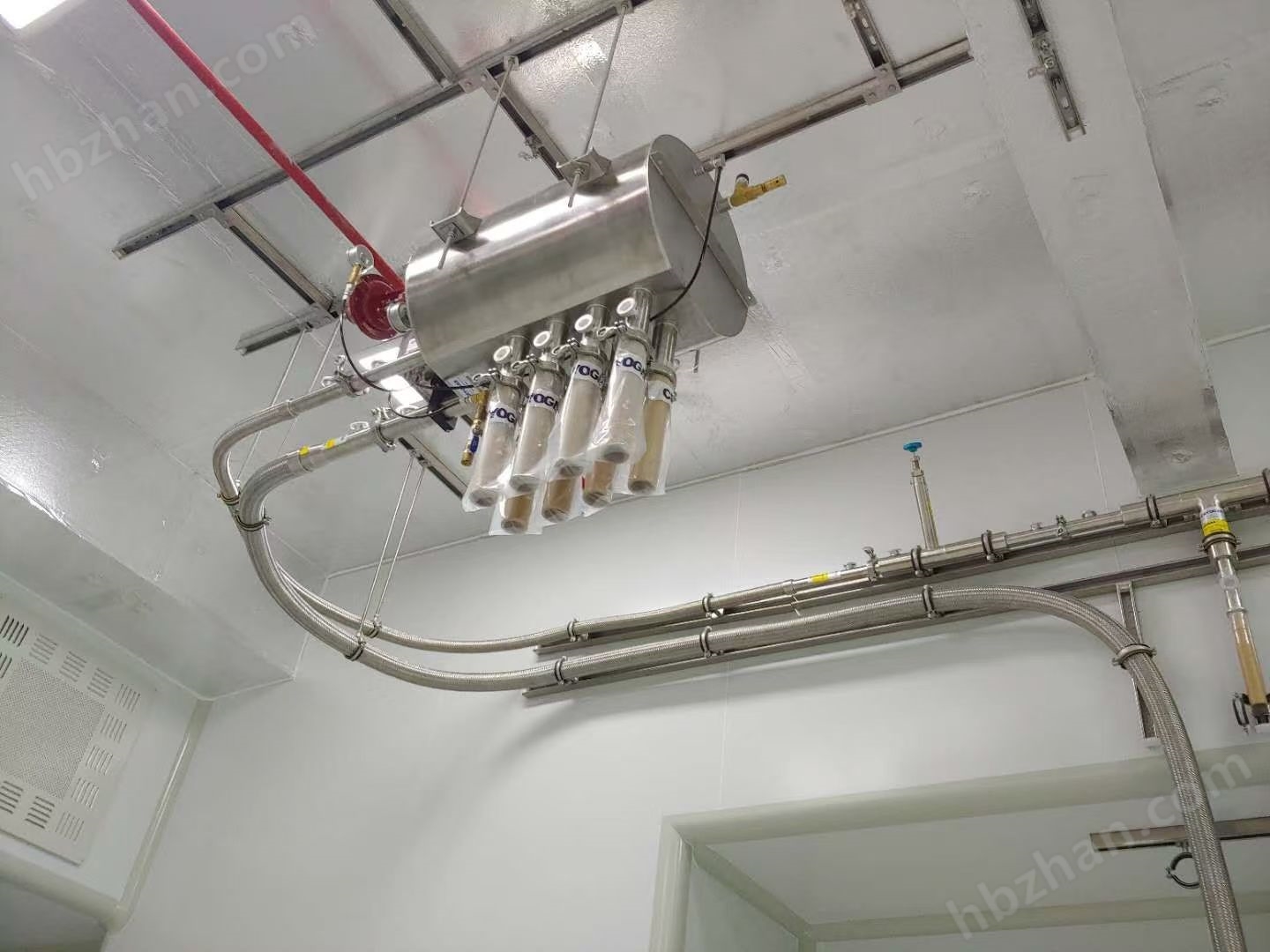
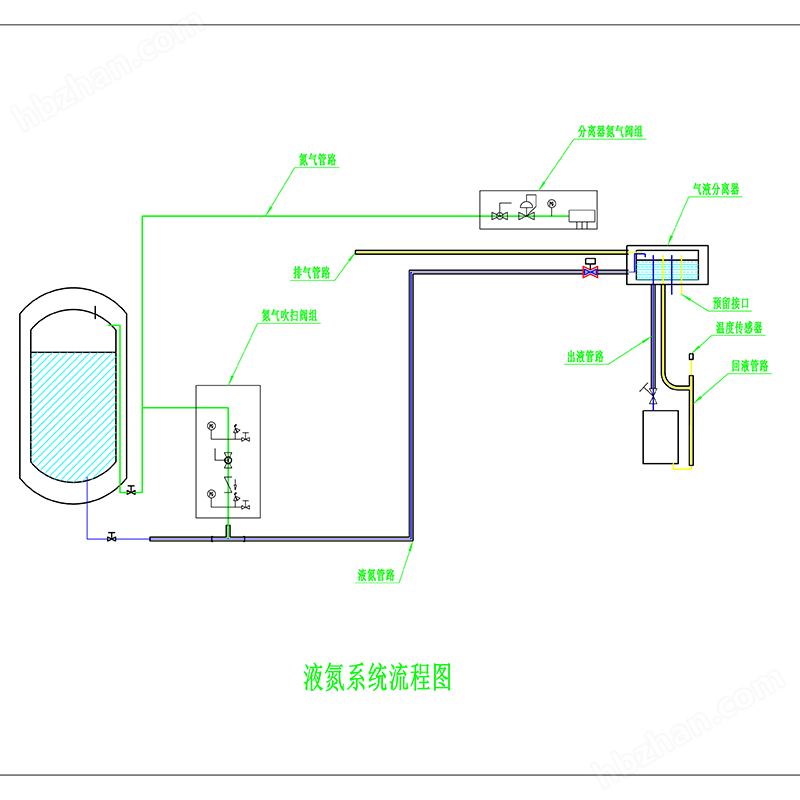
A complete setMBEThe liquid nitrogen transportation and circulation system usually consists of the following parts: (need to be configured according to the customer's system situation)
liquid nitrogen storage tank/Or small liquid nitrogen Dewar: Large outdoor storage tanks or movable Dewar flasks are used to store liquid nitrogen.
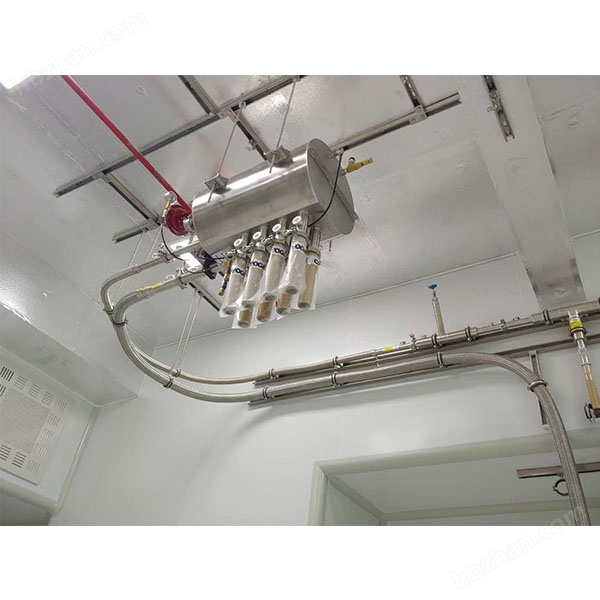
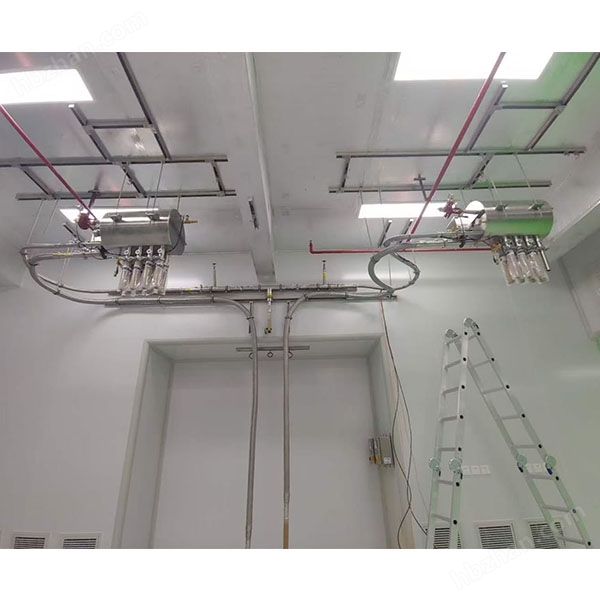
Vacuum insulated transmission pipeline: Connect the liquid nitrogen storage tank andMBEThe double-layer vacuum structure of the host's pipeline can minimize the vaporization loss of liquid nitrogen during transportation.
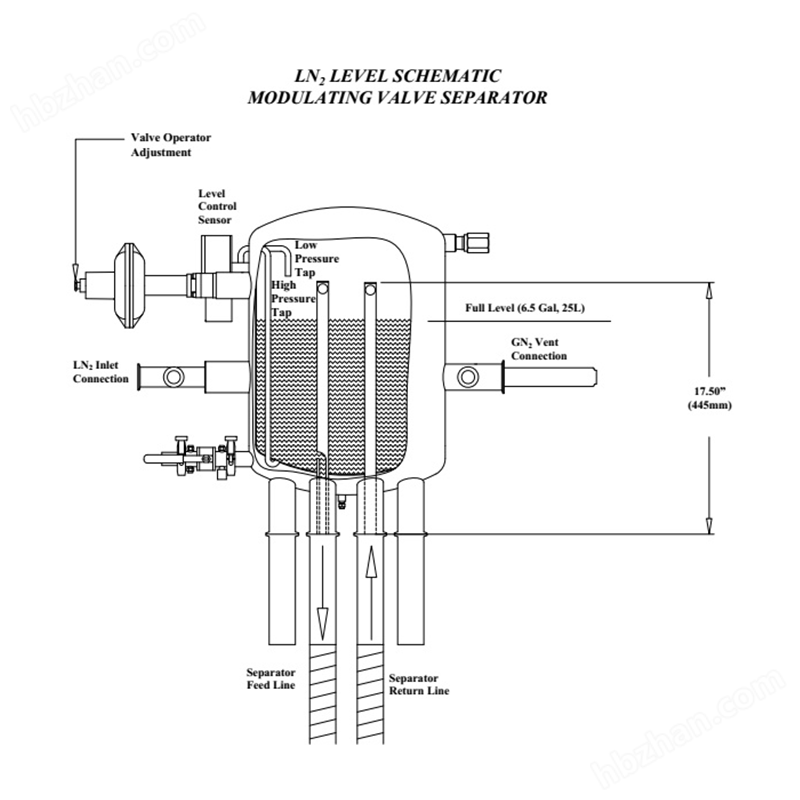
Liquid nitrogen purification system:The gas-liquid separator is an essential component of a complete liquid nitrogen transmission system. It is used to purify the vaporized liquid of liquid nitrogen during pipeline transmission, discharge gas, and maintain a low system temperature.
Allocation and Control Unit(Distribution & Control Unit): systematic“brain”. Usually includes:
Liquid level sensor(Level Sensor): Real time monitoring of liquid nitrogen level in the cold trap.
Electromagnetic valve(Solenoid Valves): Control the injection and cut-off of liquid nitrogen based on the liquid level signal.
pressure sensor: Adjust the conveying pressure.
Safety relief valve(Safety Relief Valve): Install pressure relief valves on system nodes to ensure that the system pressure is not too high and prevent danger.
cold head/Cold trap(Cold Head / Cryo-shroud): installed inMBEThe final cooling component inside the chamber. Usually a metal screen wall with coils or interlayers surrounding the growth area. Liquid nitrogen circulates within it, reducing its surface temperature to a minimum.
The workflow of the system:
After the liquid nitrogen level sensor detects that the liquid level in the cold trap is lower than the set value, it sends a signal to the system programming controller. The controller opens the solenoid valve, and the liquid nitrogen automatically increases in pressure in the tank receiving the system controller mode, and flows into the cold trap through the vacuum pipeline, ultimately raising the liquid level to the set value. The solenoid valve closes. The nitrogen gas formed by the heat absorption and vaporization of liquid nitrogen in the cold trap is safely discharged from the system through a dedicated exhaust pipe.

Similar Product Recommend