-
E-mail
522381584@qq.com
-
Phone
15924306104
-
Address
No. 76, Fujiadai, Zhouxiang Town, Cixi City, Zhejiang Province
Product Categories
Ningbo Jintu Rolling Plastic Technology Co., Ltd
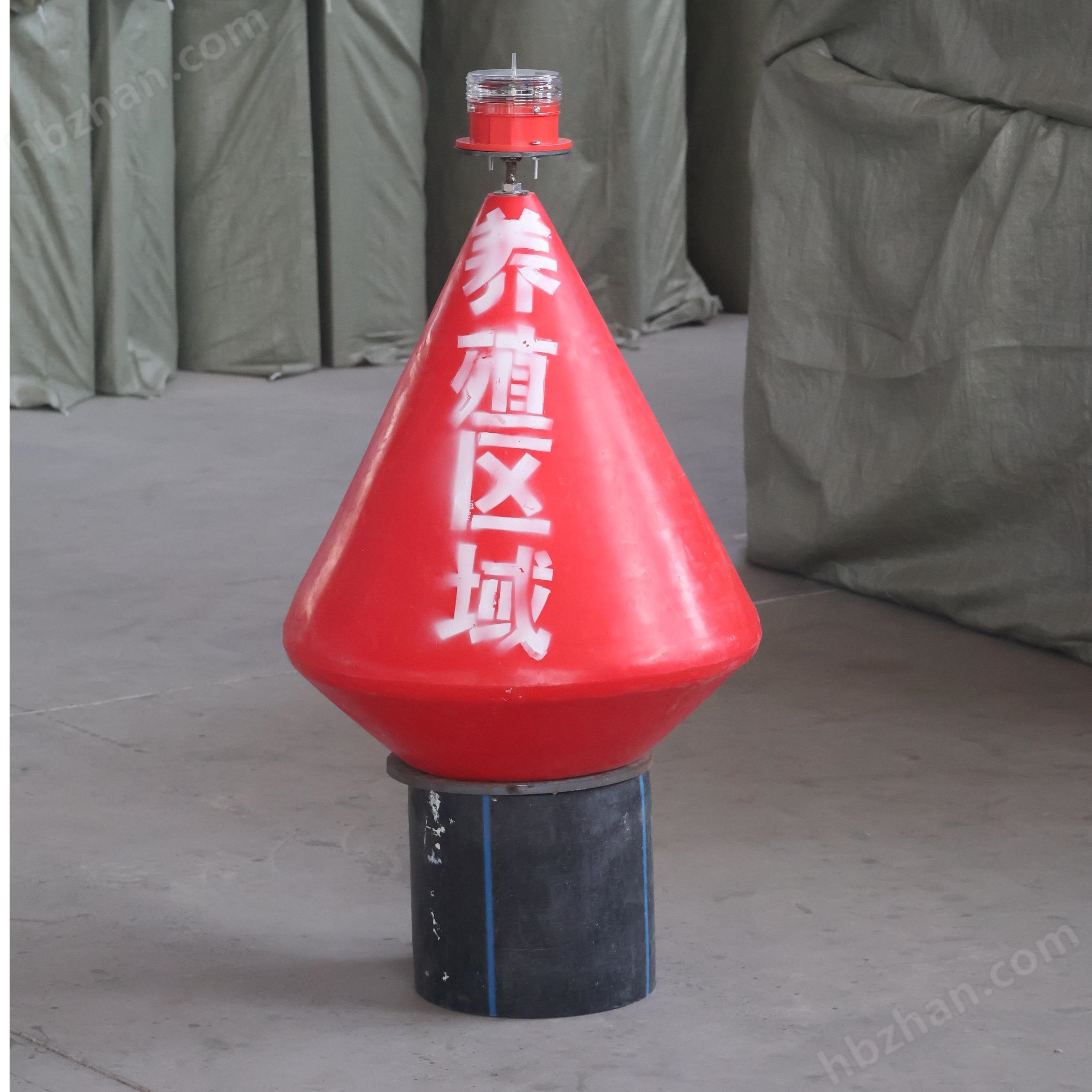


Polyethylene warning buoy, water safety warning line, navigation beacon light
NegotiableUpdate on 02/05
- Model
- Nature of the Manufacturer
- Producers
- Product Category
- Place of Origin
Overview
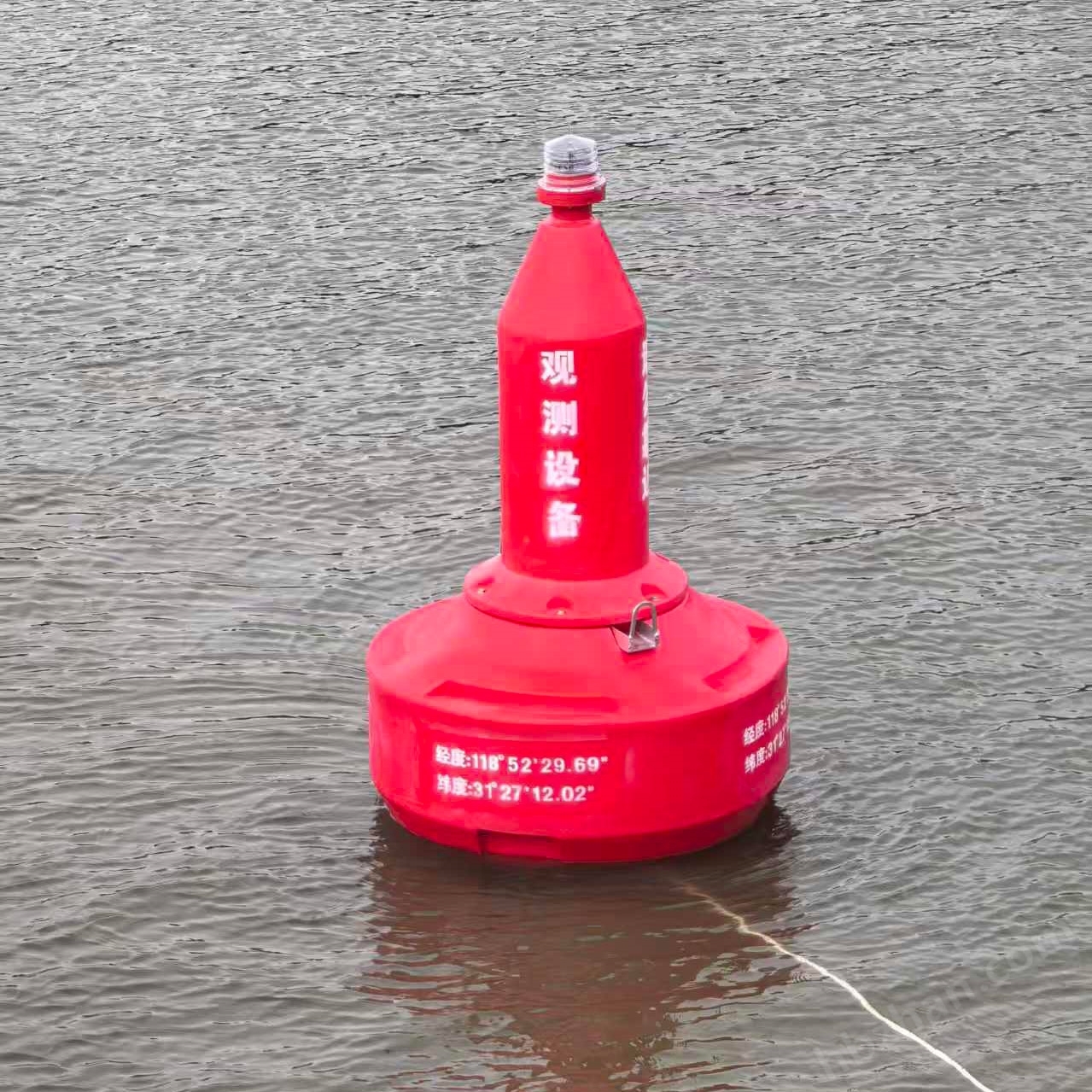
Polyethylene warning buoy water safety warning line navigation beacon, refers to a type of navigation mark floating on the water surface, anchored in a designated position, used to indicate the range of navigation channels, indicate shallow waters, obstacles, or indicate specialized water surface navigation aids. Buoys are the most numerous and widely used in navigation marks, and are set up in places where it is difficult or inappropriate to establish fixed navigation marks. Buoys are used to indicate shallow waters or obstacles that pose a threat to navigation safety. A buoy equipped with lighting fixtures is called a light buoy, which is used as a signal buoy to assist navigation in day and night navigable waters. Some buoys are also equipped with radar responders, radio beacons, fog warning signals, and marine survey instruments.
Product Details
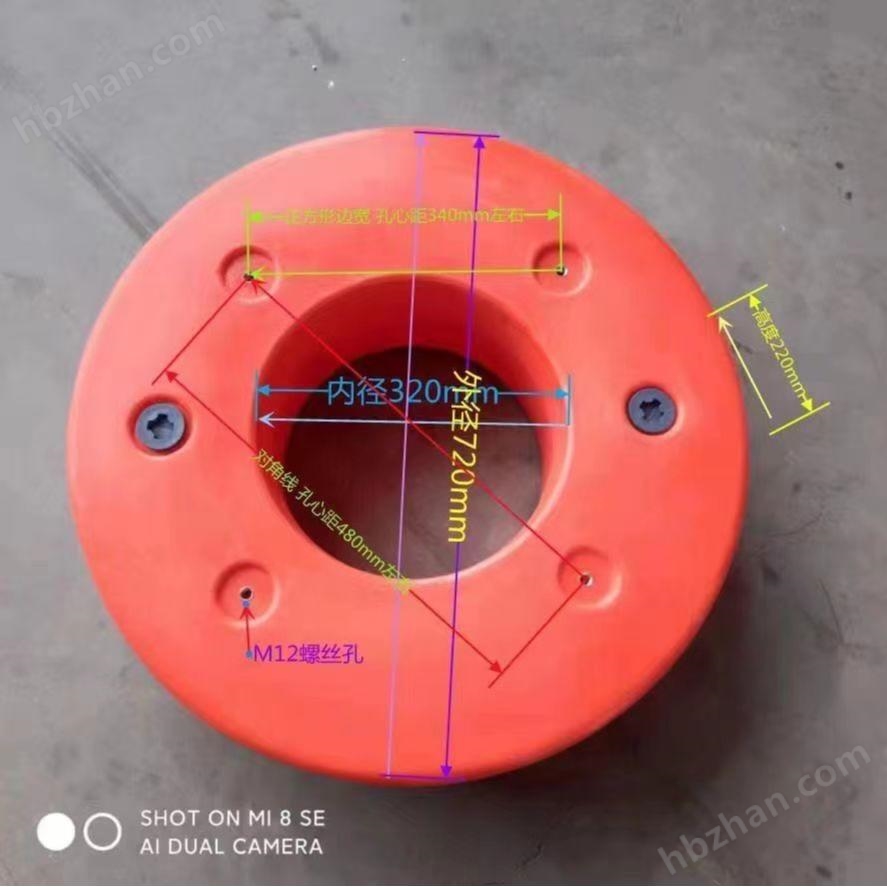
Polyethylene warning buoy, water safety warning line, navigation beacon light-Polyethylene warning buoy, water safety warning line, navigation beacon light
There are different types and specifications of buoysAccording to the deployed water area, it can be divided into offshore buoys and inland buoys.The basic shapes of the buoy body on the sea include tank shaped, conical, spherical, cylindrical, rod shaped, etc.Due to the influence of wind, waves, and tides, buoys have a certain range of float movement and cannot be used as markers for determining ship positions. If a flexible rod shaped buoy is used, its position will be accurate and it can be reset after being hit. Inland river buoys include drum shaped buoys, triangular buoys, rod shaped buoys, cross flow buoys, and left and right navigation buoys.The shape, color, top marker, and lighting quality (such as light rhythm, color, and flashing cycle) of the buoy are all made according to the prescribed standards and have specific meanings.
Sea buoys have an international nature, and the floating buoy systems in various countries around the world have never been unified.
In 1971, the Technical Committee of the International Association of Navigational Aids classified various sea buoys into two systems, A and B. The A system is a combination of side signs (facing the port in red on the left) and directional signs; The B system is a side marker system (facing the port in red on the right). In November 1980, at the 10th International Navigation Standards Conference held in Tokyo, the A and B systems were merged into a unified system, including five types of signs: side signs, directional signs, isolated dangerous object signs, safe water area signs, and special signs. The side signs indicate opposite content in systems A and B, while the other four signs are consistent.
The directional sign is located within the four quadrants of the true direction centered on the hazardous material or hazardous area, namely northwest to northeast, northeast to southeast, southeast to southwest, and southwest to northwest,Set up north position markers, east position markers, south position markers, and west position markers respectively, indicating the navigable waters on the same side of the directional markers. The isolated dangerous goods sign is placed on the dangerous goods or as close as possible to the dangerous goods, indicating that the ship should avoid navigation. The safety water area sign is located in the center or centerline of the waterway, and all areas around the sign are navigable.Special signs are used to indicate a specific water area or feature, such as quarantine anchorages, restricted areas, offshore operations, etc.
Similar Product Recommend