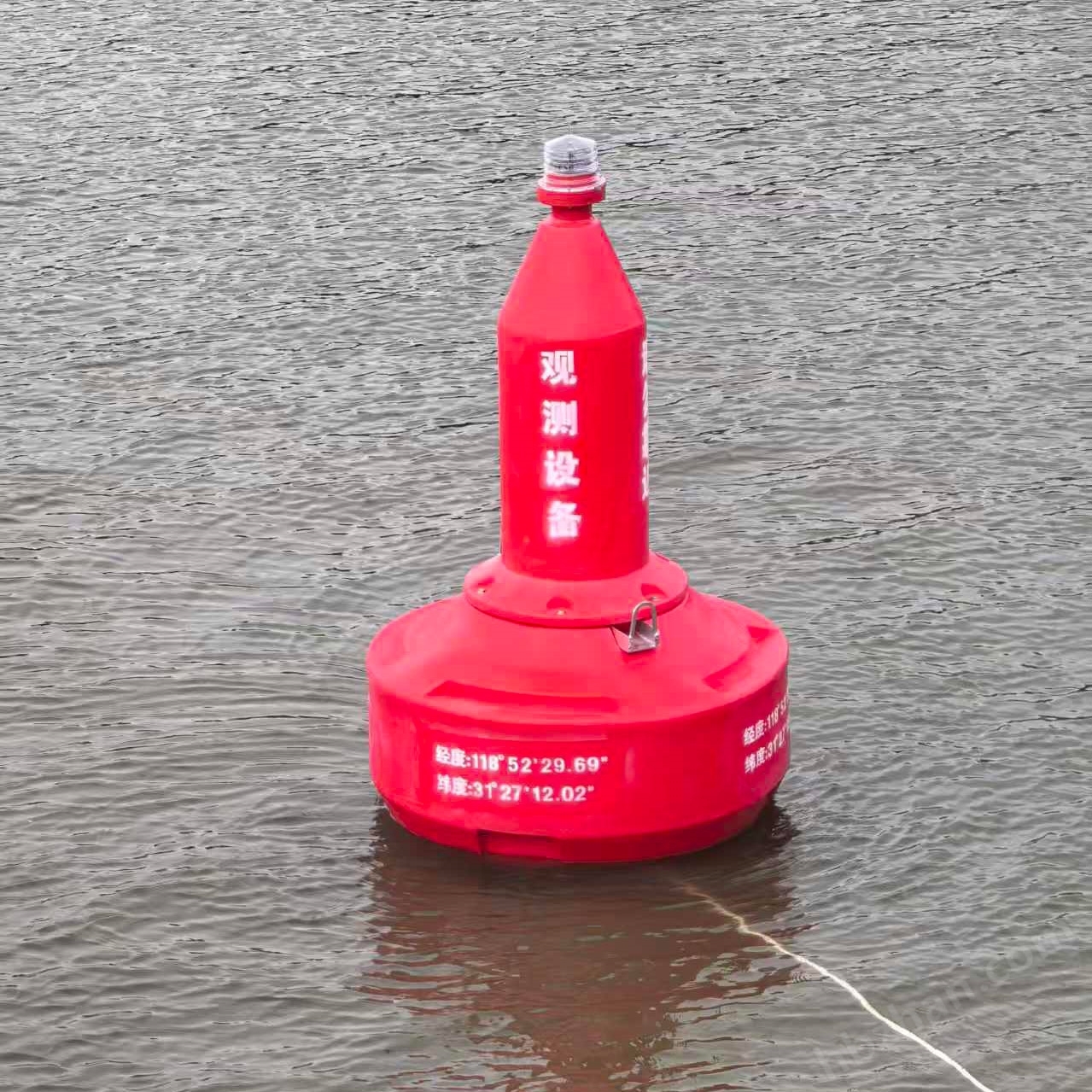
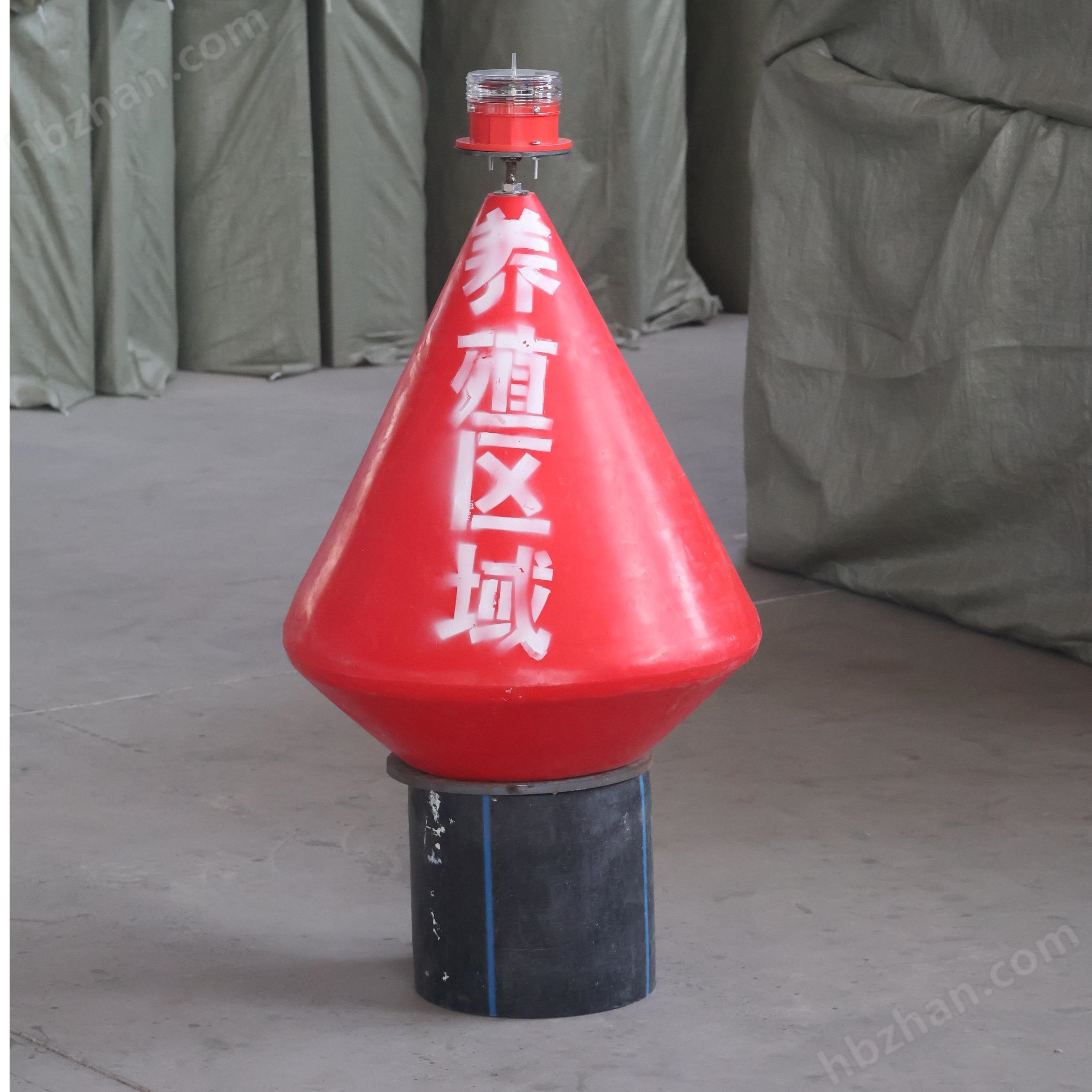
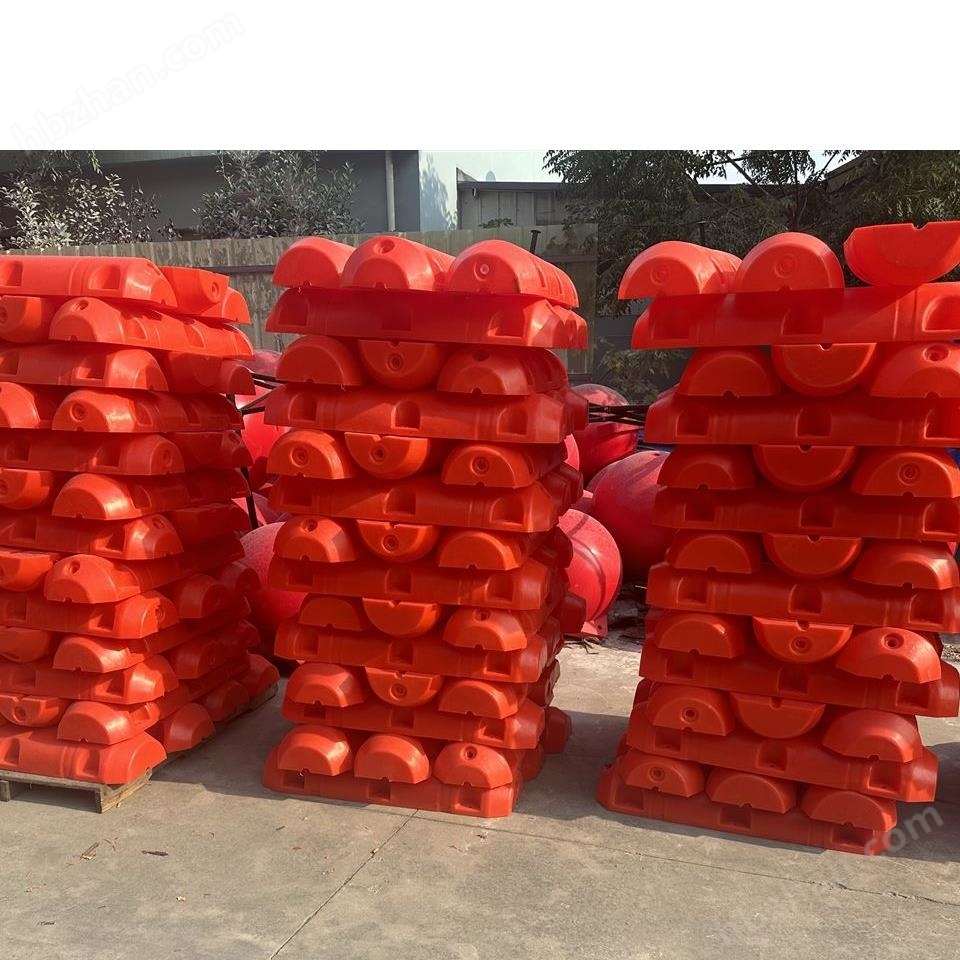
-
E-mail
522381584@qq.com
-
Phone
15924306104
-
Address
No. 76, Fujiadai, Zhouxiang Town, Cixi City, Zhejiang Province
Product Categories
Ningbo Jintu Rolling Plastic Technology Co., Ltd
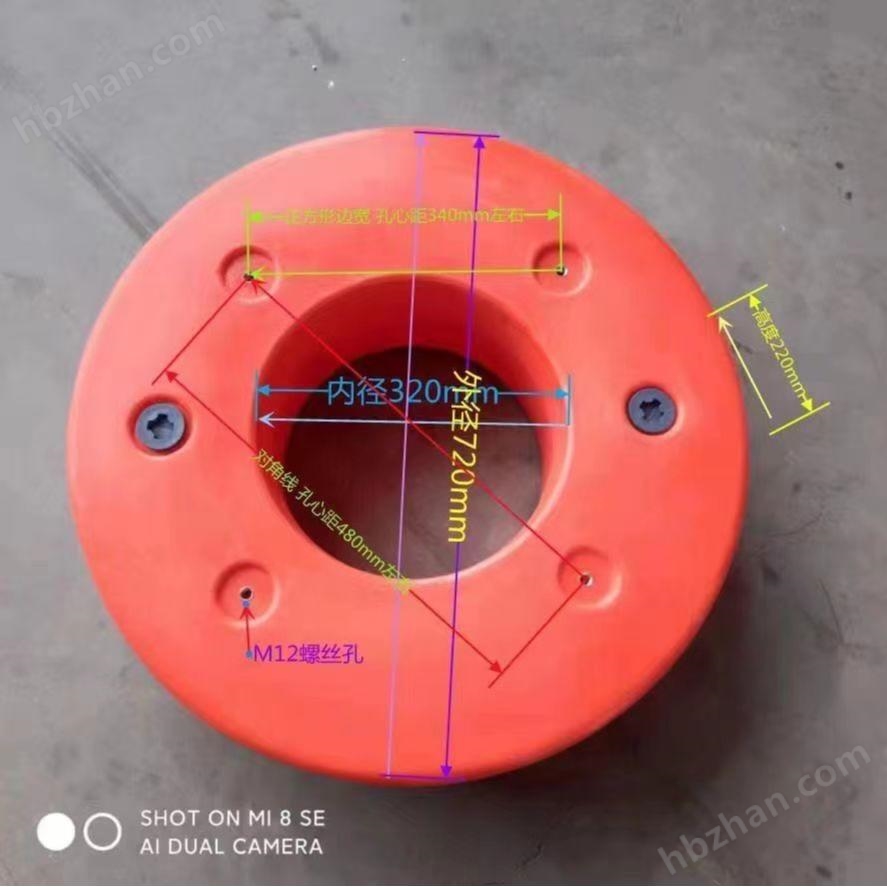


Water experimental instruments mounted with floating rings, solar panels, floating bodies, circular rings, and floating rings
NegotiableUpdate on 01/08
- Model
- Nature of the Manufacturer
- Producers
- Product Category
- Place of Origin
Overview
The circular floating ring is a high-performance reinforced material that can resist the erosion of certain seawater, chemicals, chemicals, oil stains, and aquatic organisms. Strong load-bearing capacity, stable and durable cylinder body, capable of providing 55kg buoyancy per unit. The product has a service life of about 15 years and does not require maintenance or repair costs unless it is subjected to strong natural forces or improper use by humans. Assembly is simple, fast, and flexible. Reasonable and economical cost, from a long-term perspective, can save a significant amount of maintenance, upkeep, replacement, and repair costs and time. Water experimental instruments mounted with floating rings, solar panels, floating bodies, circular rings, and floating rings
Product Details
Water experimental instruments mounted with floating rings, solar panels, floating bodies, circular rings, and floating rings-Water experimental instruments mounted with floating rings, solar panels, floating bodies, circular rings, and floating rings
The circular floating ring can automatically determine the position of the profile monitoring point based on the changes in tidal water level, and is made of ultra-high molecular weight polyethyleneMade of PE material, it has good environmental performance, is not corroded by seawater, and has a long service life. No maintenance is required during use, except for damage caused by strong natural forces or improper human use, otherwise no maintenance or repair costs are required.
advantage
1. Light weight, high buoyancy, sturdy, and strong impact resistance.
2. The service life is over 15 years.
3. The entire floating ring is formed seamlessly, without water leakage, and durable in one go.
4. Anti freezing, UV, gasoline, oil pollution, acid and alkali resistance, environmentally friendly and pollution-free.
5. Quick installation, flexible combination and transformation, long service life, bright and beautiful colors. The upper surface of the float body adopts anti slip design, which is safe and stable.
Floating rings also have important tasks in surface experiments,Plastic floating rings, as an important component of online water quality monitoring, are widely used for water quality monitoring in water environments such as rivers and lakes. This article will provide a detailed introduction to its working principle, application scenarios, and future development trends, and explore its important role in the construction of smart water management.
1、 Working principle of plastic floating ring
Plastic floating ring is a device specifically designed for water quality monitoring, whose core function is to provide a stable water intake point and ensure the accuracy of water quality monitoring data. It draws water samples to sensors or laboratories for analysis through a built-in water pump.
The floating ring is usually equipped with a solar panel power supply system, which can automatically float on the water surface and adjust its position according to a preset program to ensure the representativeness of the collected data. In addition, multiple sensors are integrated to monitor key parameters such as water temperature, dissolved oxygen, and pH value in real-time.
2、 Application scenarios and advantages
Plastic floating rings are suitable for various water bodies, including but not limited to rivers, lakes, reservoirs, etc. Especially in urban rivers with frequent pollution incidents, its rapid deployment capability enables environmental management departments to obtain water quality changes in a timely manner.
Compared to traditional fixed-point monitoring stations, floating rings have the advantages of high mobility and low maintenance costs. Meanwhile, by connecting to cloud platforms through IoT technology, remote monitoring and data analysis can be achieved, greatly improving monitoring efficiency and accuracy.
3、 The role of smart water construction
With the popularization of the concept of smart cities, smart water management has become one of the important development directions. Plastic floating rings, as front-end sensing devices, play a crucial role in the entire smart water management system.
By combining with technologies such as big data and cloud computing, a comprehensive water quality monitoring network can be built, which not only helps to detect and handle pollution incidents in a timely manner, but also provides scientific basis for water resource management and protection. In the future, with the advancement of technology, the combination of floating rings with various technological products will further expand and improve their functions.
4、 Development Trends and Challenges
Faced with the increasingly severe water pollution situation, the demand for monitoring equipment such as plastic floating rings will continue to grow. However, further research is still needed on how to improve the intelligence level, reduce costs, and extend the service life of devices.
Looking ahead to the future, with the application of new materials and technologies, the plastic floating ring FQ700 is expected to achieve more accurate and efficient water quality monitoring, contributing to the protection of the earth's water resources.
Similar Product Recommend